Category Archives: Uncategorized

Thursday, 8 May 2014: Annual General Meeting

This evening we had our 5th Annual General Meeting at Old Leo’s Rugby Club.  We had a good turn out and and a good meeting before adjourning for refreshments.  Thank you to Old Leo’s for letting us use their bar for the meeting.

The minutes of last year’s AGM were approved; the Chair presented his annual report (see below); the treasurer presented the accounts and the accounts were approved. The officers and committee were chosen.

The new officers and committee are:

Chair: Roger Gilbert

Treasurer: Judith White

Secretary: Stephanie Clarke

Auditor: David Hall

Committee (in addition to the above):

Rob Hall

Tom Swire

Brian Joyce

Jen Potts

David Smith

Thanks are due to Phil McAteer and Wyn Barney who retired from the committee.

Chair’s annual report

We have had about 24 events since our last AGM. It has been another varied, interesting and enjoyable year. If you have not had a look at the blog, I think that it is well worth doing so. I find it amazing how much we have done together, and I get very happy feelings looking at the pictures and reading the reports of our achievements.

Events

We have two kinds of events: the tasks (the playing out in the woods events) and the educational events (also playing out in the woods events!).

Tasks
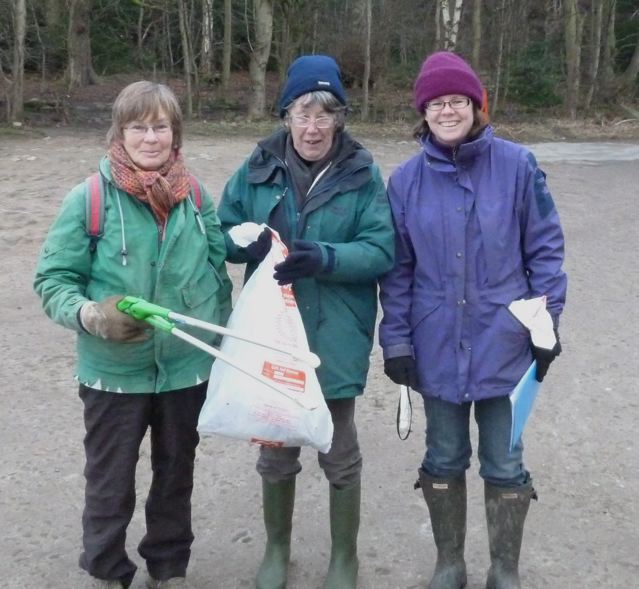
14-01-12-P1050041_2If I start with our monthly tasks. Firstly, there has been our regular litterpicking whose importance cannot be overstated. Litterpicking makes a huge difference to the woods – for example, a fortnight ago a handful of us collected 7 bags of litter in an hour! So thank you to everyone who has contributed by picking up litter!

Adel Moor

Adel Moor:  18 August 2013

Adel Moor: 18 August 2013

Over the last year we have had two mornings working on Adel Moor (May last year and April this year) and – in conjunction with the other groups who work on the moor – we are now seeing a huge improvement – a lot of the young saplings have gone and there is lots of new heather coming up. I know that Steve Joul is very pleased indeed with the progress that is being made.

The moor has a population of common lizards and when we worked on the moor this April, Andrew found a lizard, pictures of which can be found on the blog.

Path improvements
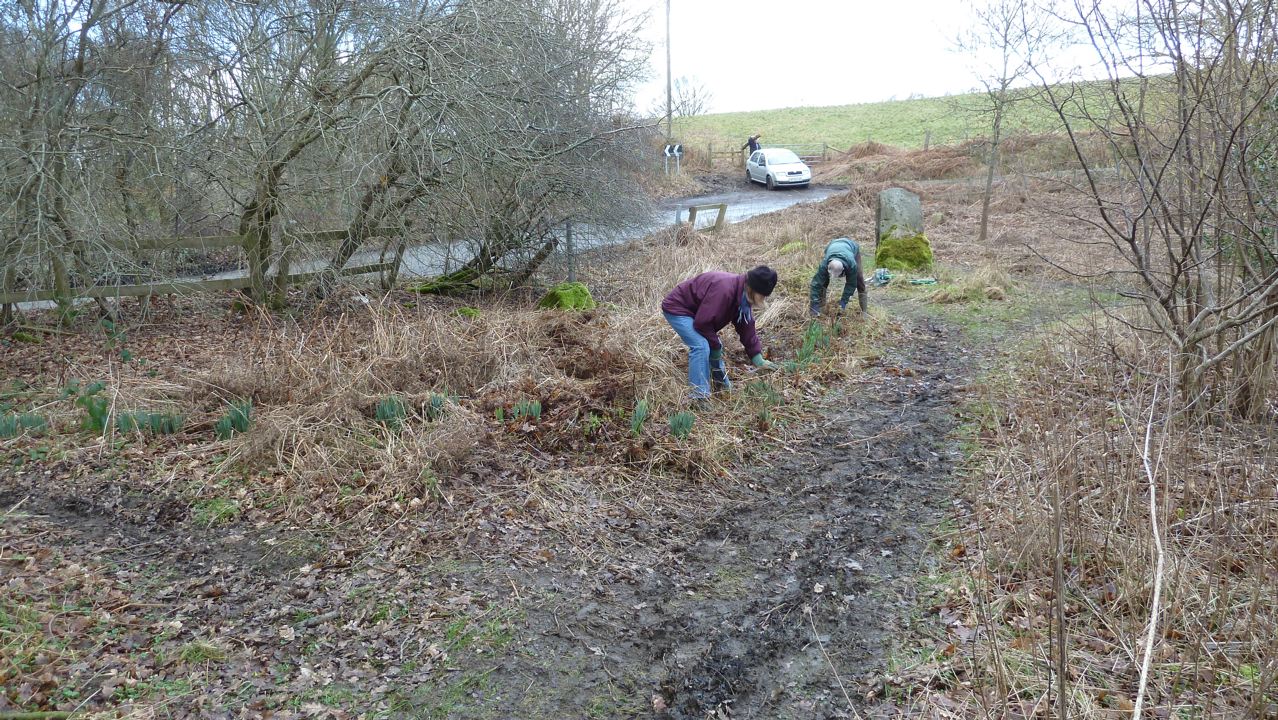
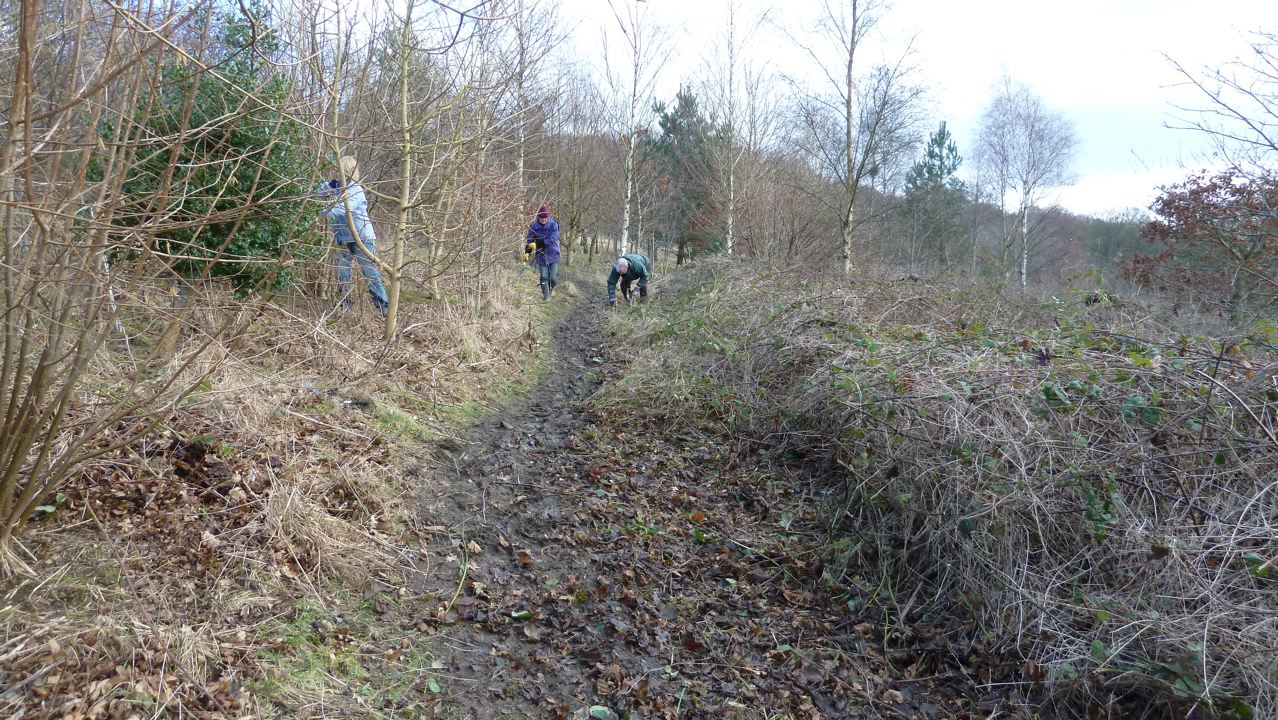
14-02-16-P1050153Path clearance has been another regular task. Over the last year we have not devoted as much time to this task but we have removed a number of trees which have fallen over paths, and we have cleared the path through the hospice woodland, as well as generally cutting back holly and branches encroaching onto paths.

Adel Bog

13-08-18-P1040666Over the last few years we have instigated or done a lot of work on Adel Bog, starting with clearing a lot of the purple moor grass which was carried out by BTCV in 2011. We have continued with that work over the last year – removing a number of large birch trees around the perimeter and clearing a lot of encroaching vegetation such as brambles which were slowly turning the bog into dry land.

13-07-20-P1040595Last June, a number of us helped Steve Joul carry out a survey of the bog as a prelude to spending two mornings – in July and August – working on the bog. When we arrived for the July event, some of us were rewarded with a sighting of a roe deer.

The bog had a nice showing of bog plants like the bog asphodel, potentilla and heath spotted orchids of which we counted about 80 specimens, much higher than last year.

Nest boxes

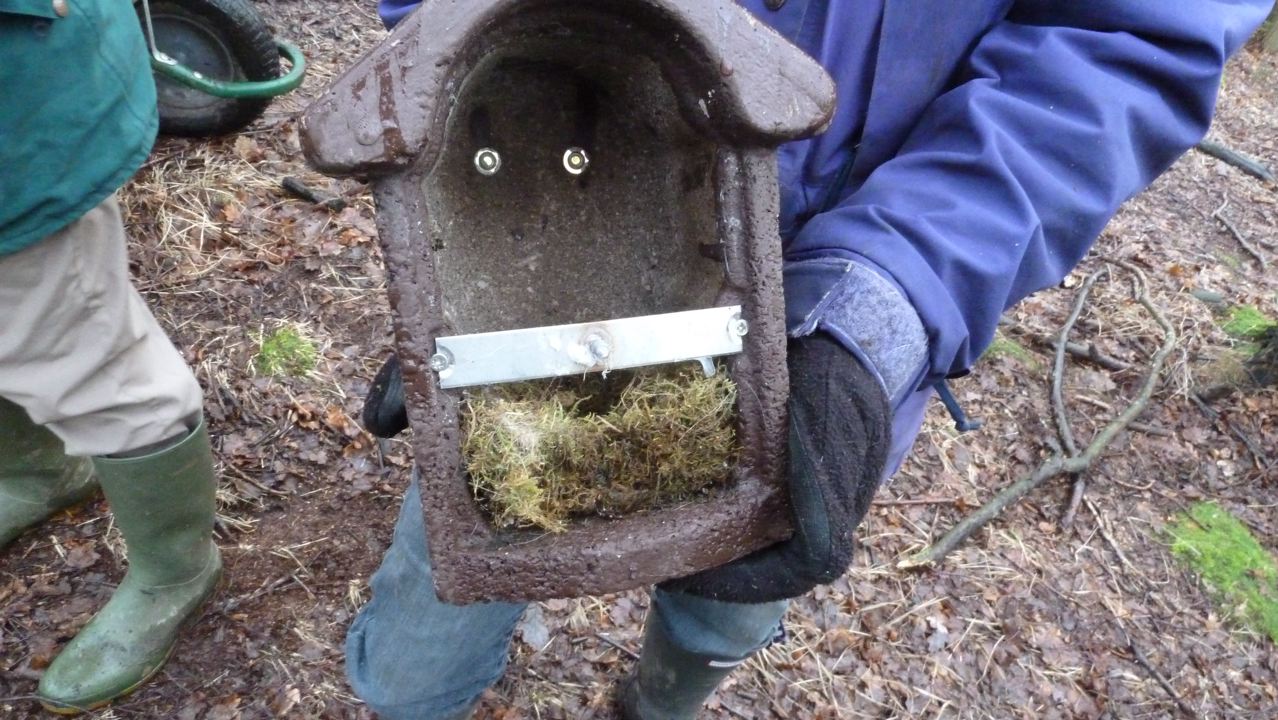
14-01-12-P1050042We had three days out surveying the nest boxes and the good news is that they were almost all used. We were also able to find a couple of nest boxes which we had not been able to find in previous years!

Last year Councillor Buckley gave us a grant to purchase 8 woodcrete nest boxes which are easier to take down and clean and we have  had a rolling program over the last two surveys to make the wooden nestboxes much easier to take down and clean.  Both of these things have assisted in speeding up the job.

There were no nuthatch nests this year but you can feel pleased that there is a good chance that the great tits and blue tits in the woods were reared in a FOAW nestbox!

The Japanese Knotweed

Over the last two years we have helped Steve Joul with a lot of work on the Japanese Knotweed by the picnic area and we seem to have got it licked!

The Buck Stone

Two years ago we did two days work on this and made it accessible to the public again. Over the last year we have done some bracken bashing and clearing to keep it open but it will probably need some more work.

14-03-21-P1050209The hospice woodland

We have had three sessions tidying up the hospice wood.

Christmas Garlands
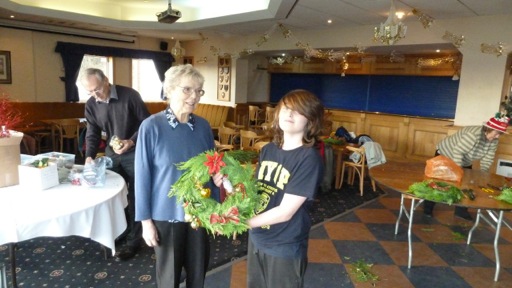
P1040982We had another session making Christmas garlands for sale to raise funds and we raised about £100. More importantly, everyone who had one seems to have been delighted with it.

Adel Pond

13-09-21-IMG_0131Adel Pond is one of our regular jobs now. In September about 12 of us got down and dirty clearing silt out of the pond and we made a big difference. It is looking great at the moment.

Educational/social events

Birdsong walks

Listening to birdsong in Alwoodley Plantation

Listening to birdsong in Alwoodley Plantation

Steve Joul led a birdsong walk last May when 15 people were up with the lark. Last Sunday he led another and 31 adults and 3 children attended and it was a great success.

Newt survey

Last May, Steve also led a newtfari – ie a safari in pursuit of the newts in Adel Pond and we caught 13-05-18-P1040356(and returned to the wild) 18 newts. Again this was very well attended, and one of the things I like about this sort of event is that we get children along who hopefully will find their imaginations captured and will care about Adel Woods or other woods in the future.

Adel Bog survey

Q7  western end of Bog

Q7 western end of Bog

I mentioned earlier that last June a team of us helped Steve Joul carry out a survey of Adel Bog as part of our program of restoring the bog. Not surprisingly, in view of the amount of clearance of unwanted species, we found a great improvement in the number of bog plants. Steve has done a number of the surveys now and I recommend that if he does any more, you have a go. It is a really enjoyable experience where you will learn a lot about how to do a survey and the woods.

Fungal Foray

13:10:27-P1040937Steve led a fungal foray. This was amazingly successful – approximately 30 adults and 10 children.. It was a thoroughly enjoyable event with everyone having a great time looking to see what secrets the woods had to disclose.

ACA Gala

Last June we had a stand at the ACA gala. The weather was kind to us and we had a great afternoon.

Meanwood Heritage Walk

In September, Kerry Fieldhouse, a conservation officer with Leeds City Council, led a heritage walk around Adel Woods. Whilst not strictly a FOAW event, there were a few FOAW friends there and it was interesting to learn more about the woods.

Waitrose

FOAW were put forward to Waitrose to go in their community funding scheme which resulted in us receiving a cheque for £394 from Waitrose in November. This money and the money we have raised from various events means that we are in a very strong financial position at the moment.

The future

We will be publishing our calendar of events for the next six months shortly. Our next event is on Sunday the 18th May when we will be litterpicking and working on Adel Moor! On Sunday 22 June Steve Joul will be leading a wildflower walk in the woods. This is a first for FOAW and it promises to be a great event. Please can you publicise this event to friends, family, neighbours and work colleagues.

It is now almost five years since we set up Friends of Adel Woods. Times are changing. Leeds CC are limiting us to having Steve Joul working with us for four times a year. If we want him to work more than that, we have to pay for him. Similarly, whereas Steve’s time was free for  educational events, we now have to pay for him now – which is why there is a charge for the events he leads.

Thanks

I would just like to end by thanking all the people we need to thank for supporting us over the last year.

14-101-19-P1050083First of all, I would like to thank Steve Joul for all the support – and tuition – he has given us over the year – in particular with the newt survey, birdsong walks, the fungal foray, the nest box survey, and the work on Adel Bog.

I would like to thank Alwoodley Parish Council and our local city councillors for their financial support and encouragement.

I would like to thank Tina and Stephanie for putting us forward to Waitrose and everyone who voted for us – and of course Waitrose for setting up the scheme in the first place!

I really must thank Tony and Old Leo’s for letting us use their facilities for making the Christmas garlands and have our AGM here.

13-06-11-photoI would like to thank Old Leo’s Cricket Club for putting up and giving us the use of a notice board on their pavilion.

I would like to thank our committee and officers for all their support and hard work over the year.

And finally, I would like to thank all our wonderful Friends – whether here or absent – for the hard work you have all put in over the year. I hope that tonight’s summary has reminded you of some happy mornings or evenings and shown you that you have all made a fantastic improvement to the state of Adel Woods and to our local community. Thank you!

Hi-de-hi!

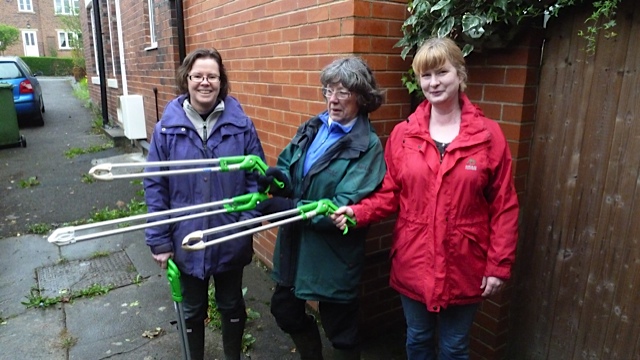
Hi-de-hi!

Sunday, 4 May 2014: Birdsong Walk

Archive picture

Archive picture

Today Steve Joul led our 5th annual birdsong walk, attended by thirty one adults and three children.

The walk was a great success and twenty one species of birds were seen or heard:

Blackcap
Chaffinch
Great tit
Mistle thrush
Jackdaw
Robin
Greenfinch
Song thrush
Woodpecker
Blackbird
Chiffchaff
Willow warbler
Whitethroat
Wren
Wood pigeon
Bullfinch
Treecreeper
Nuthatch
Blue tit
Long-tailed tit
Starling

Thank you to Jen for keeping a record!

Saturday, 26 April 2014: litterpicking crazy!

Despite less than 24 hours notice and heavy rain in the run up to 9.45 am, a crack team of ROLO’s (removal of litter operatives) joined your correspondent for  some heavy duty litter picking in the woods.

14-04-26-P1050225

Star Wars litter sabres!

This seemed an excellent opportunity to try out our brand new ROLE’s (removal of litter equipment), purchased a month ago, and astoundingly, it turned out that the new equipment has a reach a good 6″  longer than the old!

As usual, the weather improved dramatically even before we set off into the woods, and although the sun did not shine on the righteous, nor did the heavens pour down upon them.  It was in fact a pleasant morning and – for the record – the weather has continued this afternoon to the extent that the sun is shining at the time of writing (3.27pm).

14-04-26-P1050229In the space of an hour, seven bags of litter were collected from the King Lane carpark, Crag Lane and the lane down to the Cricket Club.

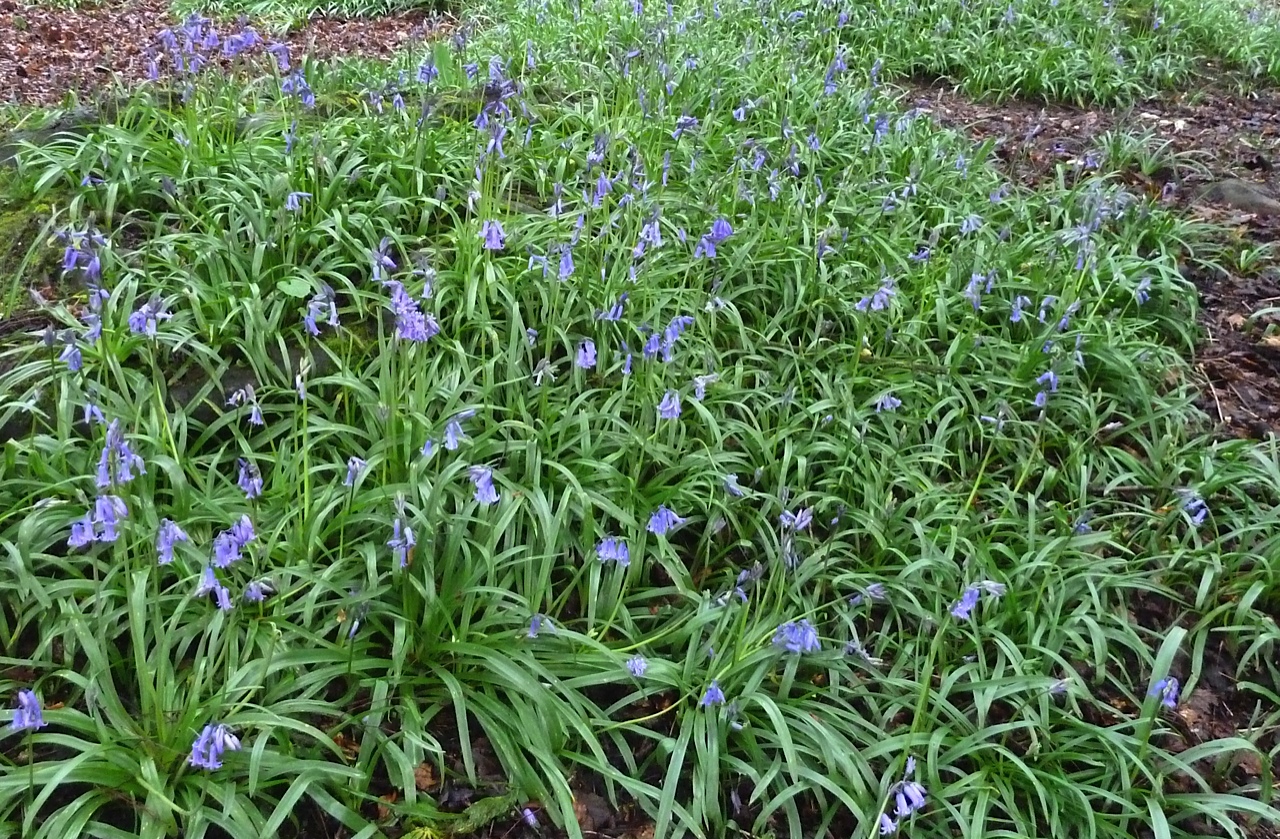
The woods were looking lovely, a haze of bluebells colouring the undergrowth,  and resonated to the melody of birdsong – wrens, great tits and a greater spotted woodpecker amongst other songsters.

Don’t miss the opportunity to enjoy the woods next Sunday by joining Steve Joul on a birdsong walk from 7 am to 9 am.

14-04-26-P1050228 - Version 2

Saturday, 12 April 2014: litterpicking and moor clearing

14-04-12-P1050210Another lovely day in the woods.

Judith litter picked while a team of five of us continued with the work of clearing saplings from Adel Moor.

14-04-12-IMG_0385 - Version 2Early on, Andrew found a lizard pictured here. Your correspondent was surprised to find a lizard at this time of year on not the warmest of mornings. This is the viviparous or common lizard – viviparous because it can give birth to live young rather than laying eggs.  You can see that part of its tail is missing, which is not uncommon.

14-04-12-P1050212 - Version 2FOAW and other groups have made a great difference to the moor over the last five years and it is very gratifying to see lots of new heather springing up.  Click on any of the pictures to get a better view.

We will be working on the moor again later in the year.

14-04-12-P1050219


21 March 2014: Daffodils at the Hospice Woodland

14-03-21-P1050209

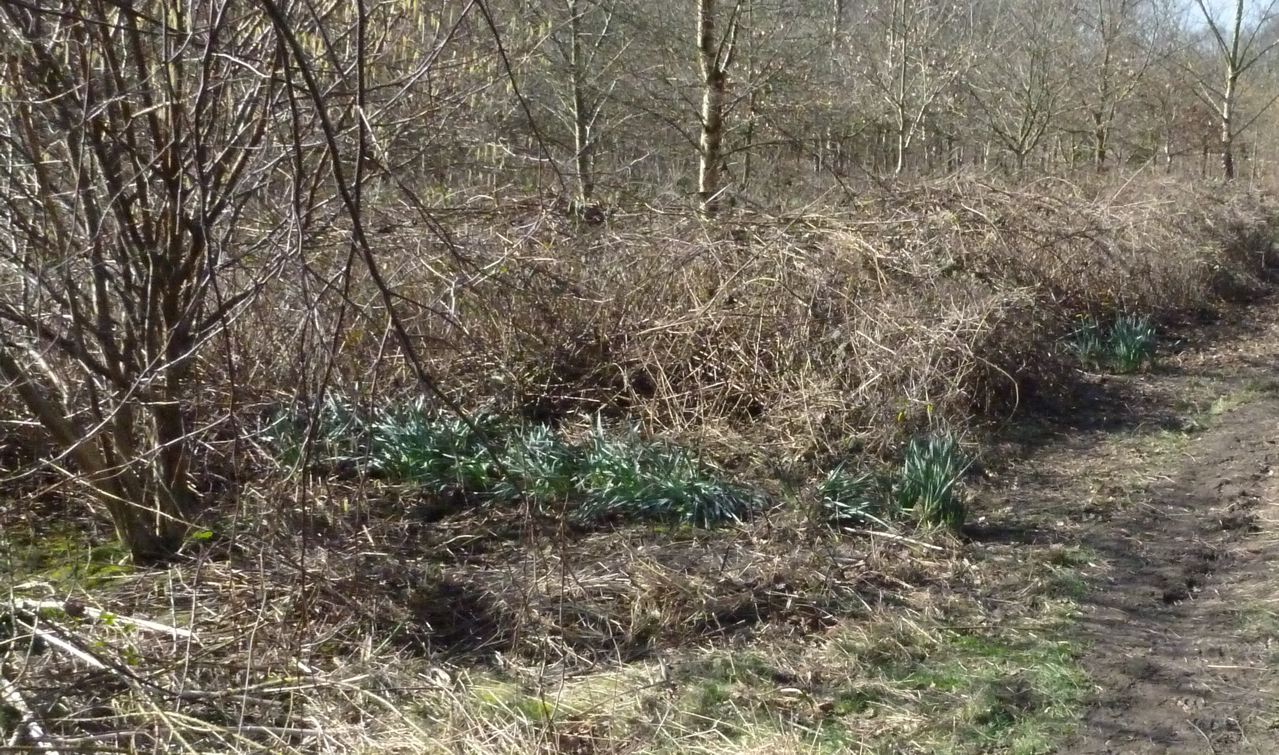
A view of the daffodils, which FOAW uncovered from brambles and other plants in February,  at the entrance to the Hospice Woodland.

As in all our photos, click on the photo for a better view.

Sunday, 9 March 2014: A beautiful Spring day

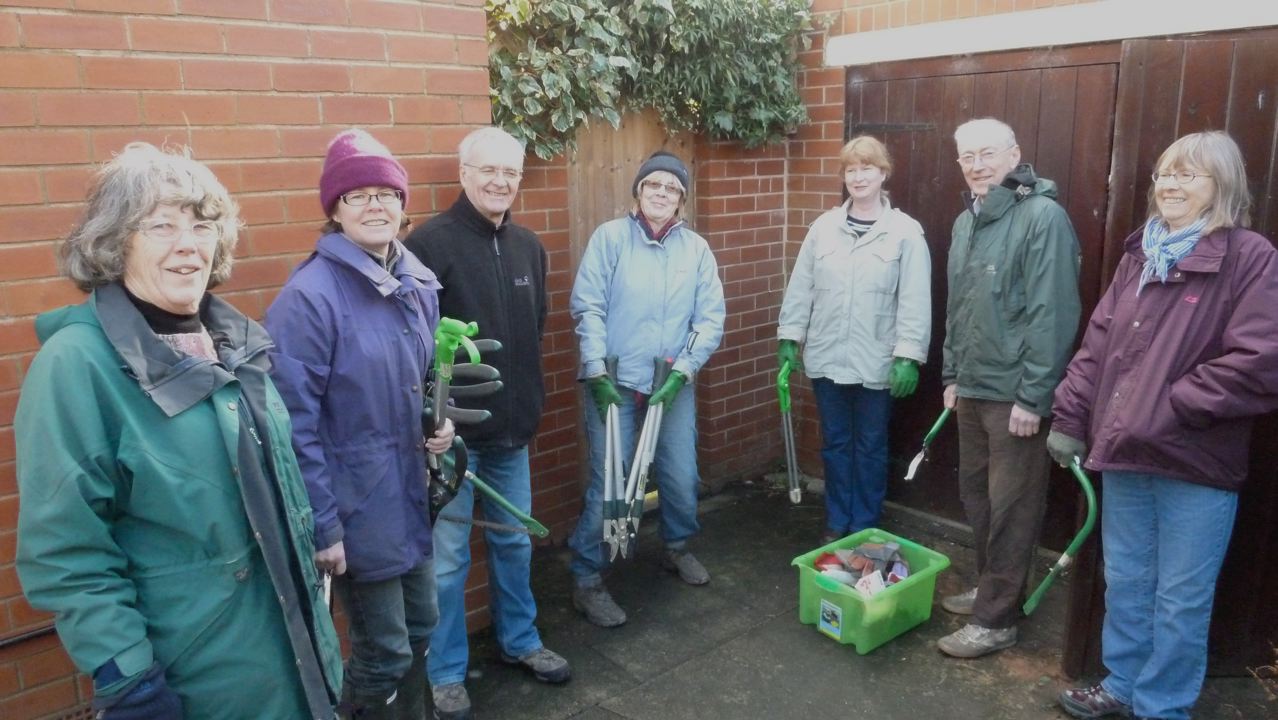
Seven of us met this beautiful Spring morning.

Daffodils before...

Daffodils before…

The first jobs were to litterpick and to carry out further work on the hospice woodland – clearing the path through the wood and freeing some of the trees which are being smothered by brambles.

...daffodils after

…daffodils after

It seems that when the trees were planted, groups of daffodils were also planted around some of them.  However, over the years they have become concealed by the brambles and so we spent a few minutes bringing them back into the light.

Daffodils at the entrance to the hospice wood

Daffodils at the entrance to the hospice wood

At our last event, we cleared brambles around the daffodils at the entrance to the hospice wood.  These can now be seen in all their glory, though they are still only on the cusp of flowering.  In a week’s time they will look wonderful.

At 11.15 some of us left Steph and Brian to continue with their vocation of liberating the woodland trees from brambles while three of us made our way down to the Buck Stone, pausing en route to cut back holly on the path down to the rugby club.

The Buck Stone before...

The Buck Stone before…

By the time we reached the Buck Stone, we only had about quarter of an hour left to work, but fortunately the Buck Stone was surprisingly clear and it looks as if last year’s bracken bashing may have been successful.

...the Buck Stone after

…the Buck Stone after

We cut down some branches which were concealing the view of the Buck Stone, and cleared brambles from a clump of snow drops and then spent twenty minutes on the main task – cutting back the shoots from the oak tree at the left hand (eastern) end of the Buck Stone and clearing the abundant brambles around it.

Whilst at the Buck Stone, your correspondent heard his first chiffchaff of the year and saw his first butterfly of the year too – probably a peacock as a peacock butterfly was flitting round his driveway when he got home.

Thank you again to everyone who took part.

Sunday, 16 February 2014: a miscellany

14-02-16-P1050136A beautiful morning after the constant rain of the last few weeks.  Nine of us met up to litter pick and clear paths. Rob and Tina were also litter picking under their own steam and so there were eleven of us altogether.

Tamsin, Judith and Chris set off to litter pick and did a fantastic morning’s work.

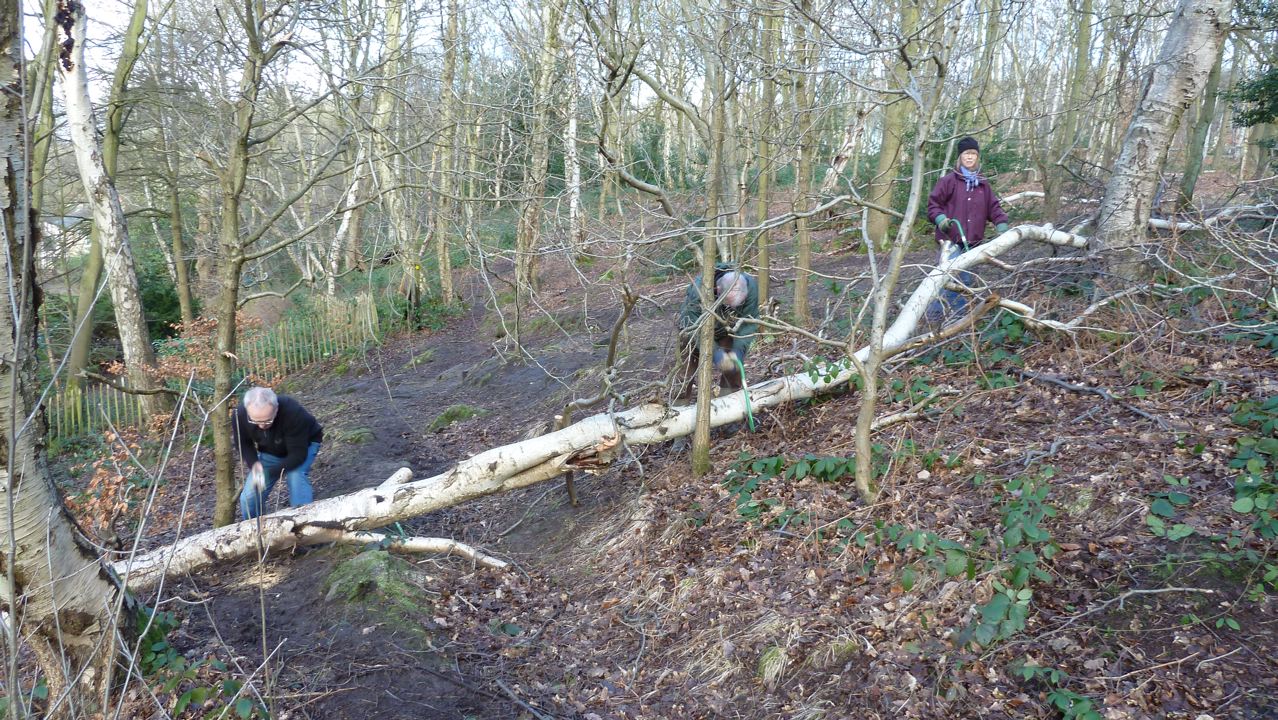
A birch tree had come down across the path near the Stairfoot Lane steps and so Beth and Graham were despatched to start work on clearing it.

Not before, but halfway through!

Not before, but halfway through!

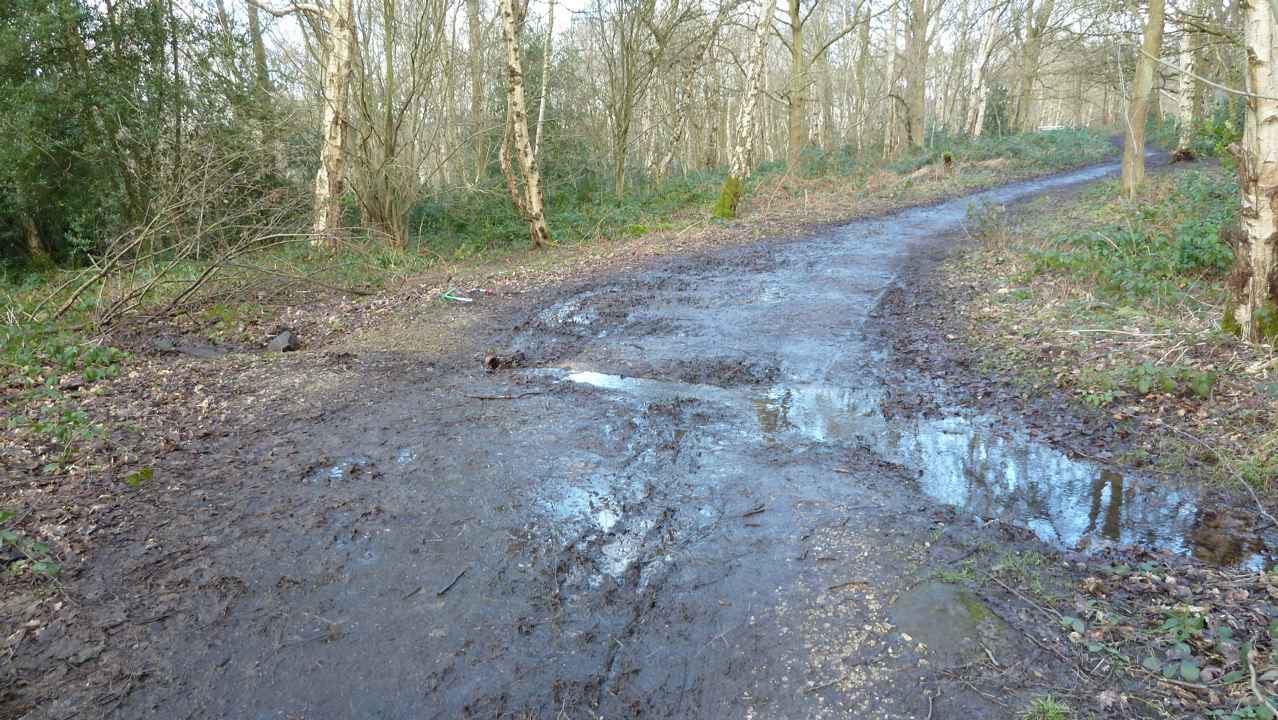
Your correspondent and Brian set off to join them and en route found a large pond had formed across Crag Lane in the area where we installed a drainage pipe in February 2011.  Poking down the drainage pipe with a stick dislodged a large log – presumably pushed into the pipe by children – and hey presto! we suddenly had a torrent of water flowing

After!

After!

through the pipe and the pond had gone in a matter of minutes.  Your correspondent estimates that at least 500 gallons of water were trapped across the path until the pipe was cleared.  Once the pond had gone, it became clear that a stream was running down the hill and across the path and it continued to flow strongly through the drainage pipe.

Before!

Before!

Then it was time to catch up with Graham and Beth at the fallen tree which completely blocked a major path through the woods.

They had made a start on cutting it up and after another half an hour’s work the path was clear.

After!

After!

Having cleared the tree, Graham set off to join the litter pickers.

Brian, Beth and your correspondent set off to join Steph and Jen, last seen clearing holly on the path leading from Crag Lane to the Hospice Woodland.

14-02-16-P1050150Steph and Jen had done a great job of clearing the holly.  A further 20 minutes of frenzied pruning and it was time to make our way to the Hospice Woodland.

Clearly, when the Hospice Woodland was planted, someone had planted clumps of daffodils to border the 14-02-16-P1050153path.  These were smothered by brambles, bracken and fallen leaves, and so 20 minutes were devoted to clearing these and revealing the daffodils to be enjoyed by the passers-by when they bloom in the next ten days or so.

A view showing the widened path in the foreground

A view showing the widened path in the foreground

Finally, we spent half an hour working on the path running through the Hospice Woodland.  Largely this was clear, though in various places tree branches protruded across the path or brambles and bracken were encroaching.  As we cleared these away it became clear that the undergrowth concealed daffodils which had been planted around the trees.

Time did not permit us to complete all the path improvement work but it is incredible what a dedicated and motivated team of Friends can achieve in two hours work!

Monday, 27 January 2014: Nest box survey (part 3)

Four of us met with Steve Joul to complete the survey of the tit boxes from the Slabbering Baby down to the Seven Arches – a total of nine boxes.  Eight contained tit nests and one seemed to contain the remains of a bumble bee nest.

See the insect cocoons in the hinge area of the box

See the insect cocoons in the hinge area of the box

Each survey your correspondent notices new things.  This year, one of the new “discoveries” was that insect larvae gnaw at the wood, leaving what seem to be teeth marks (though they cannot be teeth marks due to their position), and use the wood to create cocoons.  This phenomenon is shown in the picture: click on the picture for a better view.

14-01-27-P1050127_2Last January we took down the starling box as a squirrel or woodpecker had clearly attacked the entrance hole and made it bigger.  This year we put it back up as David had reinforced the entrance with steel sheets!  The starling box differs from the tit boxes in that it is about twice the depth and the entrance hole on this particular one is on the side rather than the front of the box.  It is also distinguished by sheets of steel around the entrance hole!

A nest in one of the Woodstone boxes put up last January.

A nest in one of the Woodstone boxes put up last January.

It took us about three hours to complete the survey.  Having completed the survey, your correspondent and Steve returned to the picnic area and put up a new box number 12 to replace the original which has disappeared without trace.

Sunday, 19 January 2014: postscript

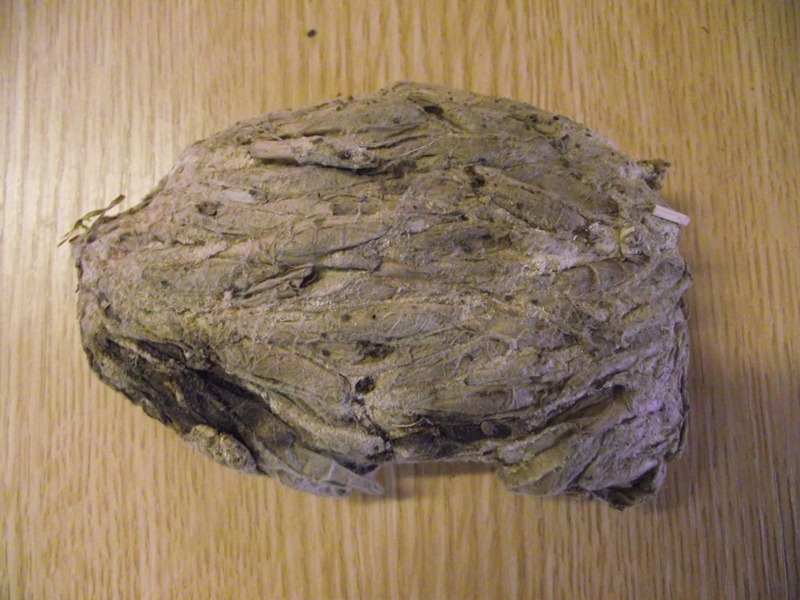
The fibrous mass found in a robin nest box

The fibrous mass found in a robin nest box


Our readers might be interested in the following exchange between your correspondent and Steve Joul in relation to the strange fibrous mass found in one of the robin nest boxes.


14.01.24 Wax Moth cocoons and larva from bumblebee nest in nestbox in Adel Woods Steve Joul (2)Steve Joul:  I thought you would be interested to see my photos of the wax moth cocoons and a larva that popped out on my desk

Response:  Is the lump of brown stuff in the pictures the stuff that was in our nest box?

Steve Joul:  Yes, I think it is an accumulation of the silken cocoons of the Bee Moth. It could possibly be the Wax Moth or the Lesser Wax Moth I’m not definitely sure but the Bee Moth is most likely to live with Bumble Bees.

It’s clearly meant to be communal (the cocoons are joined together into a mat) and very tough to penetrate (I could not tear it). This was on the underside of the lid of the nestbox.

It was also originally surrounded by a silken web which I believe was produced when the larvae were feeding on the nest to protect them from the bees which might otherwise remove them from the nest. I believe the caterpillars eat everything in the nest including the wax nest, food stores, dead bees etc.

Usually weak or failing colonies without a queen are most susceptible apparently.  The adult moths detect the bees by scent then lay their eggs, about a hundred from what I’ve read.

A quick google reveals that the two Wax Moths are the scourge of bee keeper. I believe it is most commonly the Lesser Wax Moth which lives with Honey Bees but usually not Bumblebees.

There is confusion over the correct identification of the species which are very similar.

I read that the Wax Moth caterpillars can eat the caterpillars of the Lesser Wax Moth.

I’ve also read that the Wax Moth will eat diseased parts of the hive, removing it and stopping the disease from spreading and so has sometimes been useful in commercial beekeeping. This was apparently the case when it was introduced to New Zealand when the incidence of disease was reduced. So, there is sometimes disagreement about whether having Wax Moths living with the bees is a good or a bad thing.

Sunday, 19 January 2014: Nest box survey (part 2)

14-01-19-P1050076A full day surveying nest boxes from 10 am till 4 pm with Steve Joul.

Five of us surveyed all the nest boxes north of Old Leo’s Rugby club, along Crag Lane to the picnic area and then down the Meanwood Valley trail to the footbridge over the stream by the Slabbering Baby.

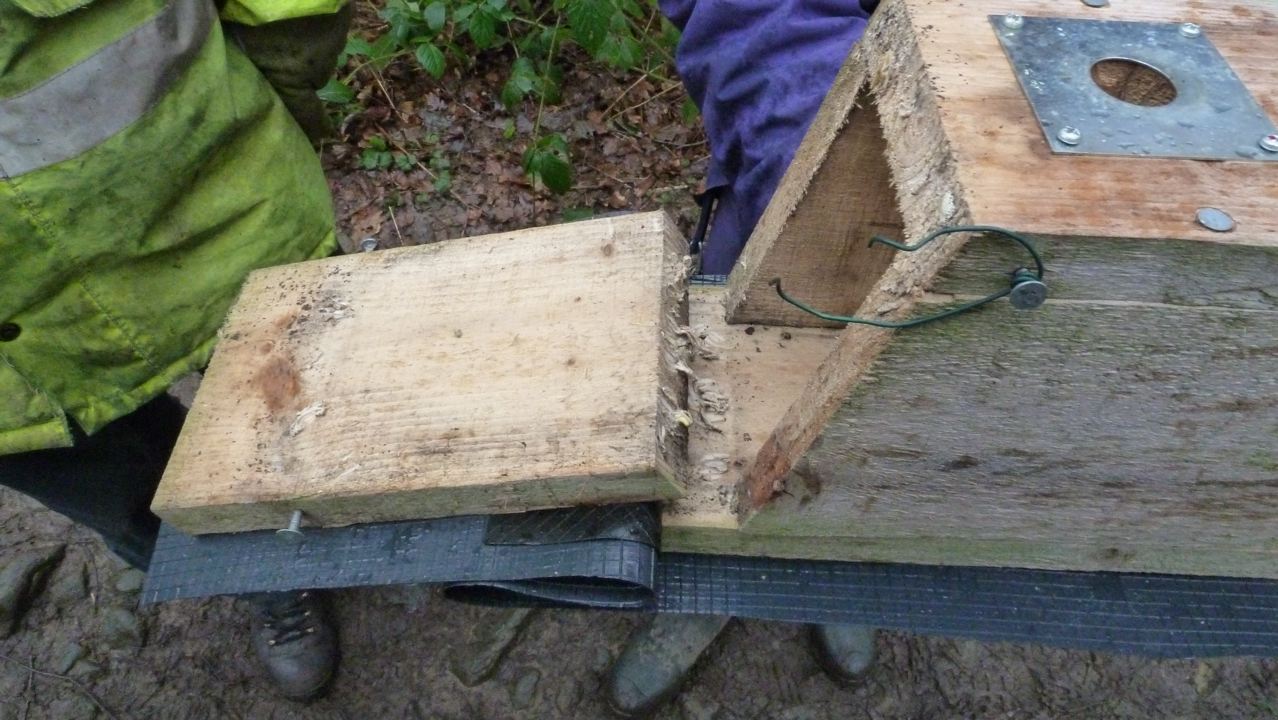
Last January we “upgraded” our nest boxes by replacing some with Woodstone nest boxes, adapting some so that we could easily lift them down and clean them at ground level, and improving some by putting a plastic covering over the lid and back of the nest boxes to keep them dry.

We were keen to see how the nest boxes had fared in what has been a remarkably wet Autumn and Winter.

14-101-19-P1050078The first thing to say is that some of the wooden nest boxes were very wet and damp.  Disappointingly, nesting material at the bottom of the woodstone nest boxes was surprisingly damp whilst the material at the top was dry.  It seemed that any damp filtered down to the bottom of the nest boxes where it had no way of escape and no aeration.  In contrast, the nesting material in the wooden boxes tended to be dry – presumably because there were plenty of gaps in the bottom of the nest boxes for air to circulate through the boxes.

14-101-19-P1050083The plastic covering put on the lid and back of the wooden boxes did seem to be very effective in keeping the boxes dry.

We did not adapt all of the nest boxes last January and so today we took the opportunity to take down damp unadapted boxes and replace them with refurbished boxes so far as the supply of refurbished boxes allowed and one or two we refurbished “on the job”.

By the end of our survey, all nest boxes had been adapted so that they could be lifted down from the trees to be cleaned (originally they were nailed on to the trees).

14-01-19-P1050048Nest box number 8 had to be rescued from a tree which had snapped in half – right where the nest box had been placed, and another, number 12, had simply disappeared without trace!

Once more, virtually all of the nest boxes had been used for nesting by tits.  Whereas last year two boxes had been used by nuthatches (which seal up the lids of the boxes with mud and make a nest of wood chippings – see a picture in last years blog), no boxes seem to have been used by nuthatches this year.  I say “seem” because one box contained strips of bark which may have been nesting material.  However, they were unlike the building blocks of the previous nuthatch nests and the nest box lid had not been sealed up with mud.

On the 12 January we surveyed the robin boxes and found one box contained a very strange fibrous construction covered in cobwebs, while the bottom of the box was full of leaves.  Steve inspected this box today and the best explanation seems to be that bumblebees built a nest in the nest box, and that a species of wax moth then laid eggs in the nest and destroyed it.  Images of the damage that wax moths can cause to honey bee hives seem very congruent with this explanation – as do the presence of a number of dead bumblebees in the bottom of the nest box.

14-01-19-P1050084One of the other nest boxes seems to have been used by bumblebees – which is something which we have not seen in previous years surveys.

Steve brought with him some callipers for measuring any eggs which we found in the nest boxes.

Finally, one other feature which your correspondent had not noticed in previous years, is that the inside of many of the nest boxes had marks like teeth marks gouged in the wood.  It seems that this is the result of moth larvae chewing into the wood.

Today was a really interesting day and we were blessed with very mild and pleasant weather throughout the day.