At the end of February, Leeds City Council started work to improve the path in the area of the Slabbering Baby. There has been a longstanding problem because a large amount of the spring water from the moor no longer flows into the Slabbering Baby but emerges about 10 metres away – onto the path leading up to Buckstone Road. The result is that the path and the Meanwood Valley Trail have frequently been covered in very deep mud.
Over the years, FOAW and Steve Joul and his volunteer team have tried to improve the area by scraping off mud, adding hardcore and doing our best to create a channel across the Meanwood Valley Trail so that water can flow away into the undergrowth on the lower side of the trail. However, it has been difficult because the path surface below the mud is very hard – and the mud returns very quickly!
At the instigation of Cllr Buckley, the Parks and Countryside Department investigated the cause of the problem and have laid new drainage pipes to take the surface water away. The area is already looking a lot better.
The area of brown earth shows where new pipes have been laid to take away the surface water.
A few days ago, after several hours of Zoom calls, I felt jaded and couldn’t face more time at the computer and so I decided to go and find something to do in the garden.
To my amazement, after about a minute of being outside, I found my feelings of being weighed down lifted completely and I felt refreshed and energised – and I enjoyed pottering about in the garden for the next hour or so.
I am not the first to discover that just being outside in the natural world can improve our wellbeing. In fact, numerous studies have found that spending time out in green space brings many health benefits.
You may even have heard of “Forest Bathing”, a practice which began in Japan in the 1980s, and which is becoming popular in the UK. In this practice – in which you remain fully clothed by the way! – you spend time enjoying the woods with all your senses. The aim is twofold – to offer an antidote to stress and to inspire people to connect with and protect our forests.
Japanese researchers have found that forest bathing can:
reduce blood pressure
reduce stress
improve concentration and memory
boost the immune system
increase anti-cancer protein production
Lower blood-sugar levels
lift depression
In 2020 a review of current literature concluded that forest therapy plays an important role in preventive medicine and stress management for all ages.
As my own recent experience shows, even a short time out in nature can have a powerful effect on our wellbeing and a number of factors seem to make time spent in the garden, the park or the woods so beneficial:
natural light not only helps set your body clock and improve sleep, but is also believed to increase the production of serotonin which helps the digestive system, sleep and mood;
when we engage in gentle physical exercise endorphins are released into the bloodstream, improving wellbeing;
many plant species produce compounds and oils called phytoncides to fight infection from viruses and bacteria, and studies show that inhalation of phytoncides has beneficial effects on our immune, endocrine, circulatory and nervous systems;
soil, compost and leaf mold contain mycobacterium vaccae, and proteins from the cell walls of this bacterium trigger the further release of serotonin in our brains (so weeding is good for you!);
getting out in nature can prompt us to experience awe – a state of wonder coupled with a sense of being small in the presence of something bigger than ourselves, which has been shown to have many psychological and physiological benefits;
if there is a pond or stream in the vicinity it is even better: the sound of water has been shown to reduce production of the stress hormone cortisol, and MRI scans have shown that when people are shown videos of water their brain activity moves from flight or fight to relaxation.
So if you are stressed “take a walk on the wild side” and enjoy some mindful time out in your local garden, your local park or even Adel Woods. Even better make it part of your daily routine to enjoy some ecotherapy!
Even better, when we are once more out of lockdown, come and join Friends of Adel Woods in looking after our local greenspace.
Ring Necked Parakeets have been in the news recently – which coincides with Steve Joul sending me reports and film of sightings in Roundhay Park.
Ring Necked Parakeets (psittacula krameri), also known as Rose Ringed Parakeets, are natives of Africa and southern Asia. They have become naturalised in the UK, probably because pets were released or escaped into the wild in the 1970’s.
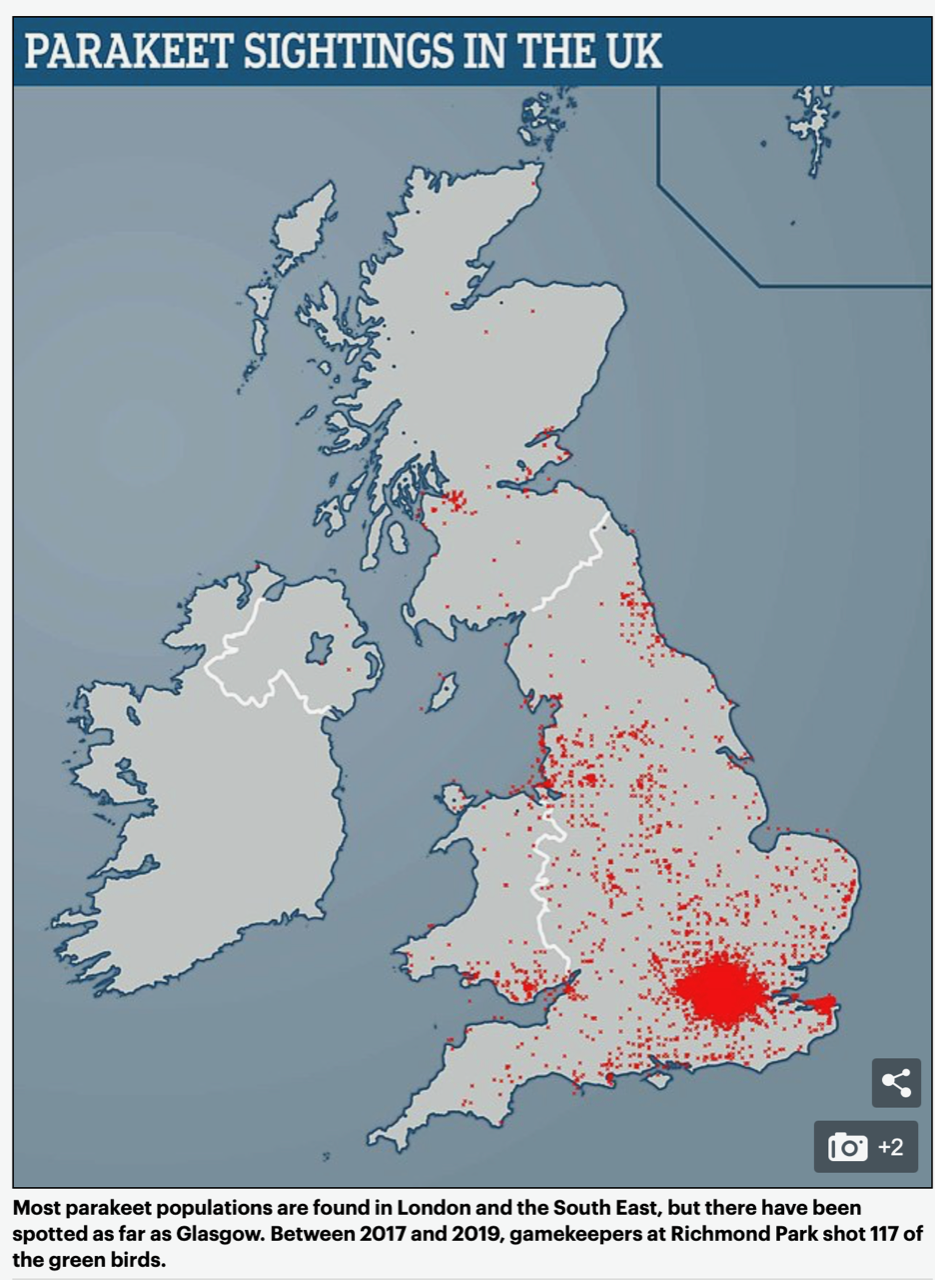
At first, they established colonies in the southeast England, in particular Surrey, Kent and Sussex, but they have slowly been spreading northwards and have even been spotted as far north as Edinburgh and Glasgow.
You are probably wondering where you can see these exotic birds in Roundhay Park and Steve tells me that there is a roost outside the Lakeside Cafe. He saw 22 birds there on the 4th January and they leave the roost at dawn and return at dusk.
Here is a film which he took at 7.45 am on the 1st December.
They are often seen in flocks and, nationally, it is estimated that there are now 170,000 in the UK.
The reason that Ring Necked Parakeets have been in the news is that they have become so numerous in the London area that some people are calling for a cull as they are an invasive species and they are allegedly causing problems for farmers and native species.
From an ecological perspective, they nest in holes in trees and so there is a fear that they compete with tits, starlings and nuthatches. The RSPB and the BTO are not calling for a cull at the moment because there is insufficient evidence that they are a problem.
Their diet is nuts, seeds, berries and fruits – though they will apparently eat bacon off garden bird tables – so farmers fear that they could cause a lot of damage to crops.
Here is a recording of Chris Packham talking about Ring Necked Parakeets on Broadcasting House on Radio 4 on the 24th January 2021.
Our last Friends of Adel Woods event of the year – and despite covid 19, we have managed to carry out ten tasks this year.
The weather did not look promising: at 9.30 am it was bucketing down with rain. But over the phone, Steve Joul, who was sitting in his van in Old Leo’s carpark, said: “You never know, it might clear up and be a lovely morning!”
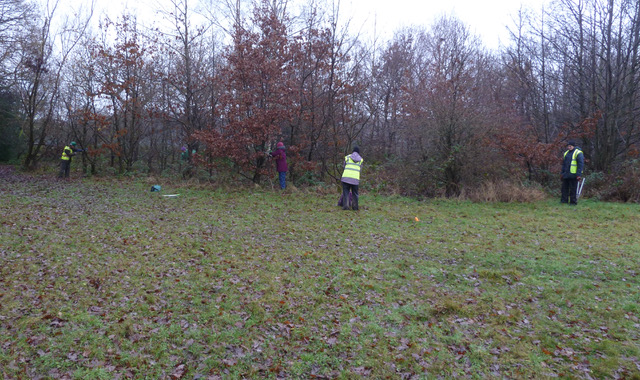
Despite my scepticism, Steve was right! By 10 am it had stopped raining and five Friends turned up to help him clear saplings from the edge of the orchid meadow or, as Steve calls it, the cricket meadow.
The orchid meadow, Adel Woods: 13th December 2020
We cannot say it was lovely day – it was grey and overcast and damp all morning – but the rain held off till noon and it was warm enough, we enjoyed each other’s company, and we achieved a lot.
The orchid meadow, Adel Woods: 13th December 2020
The orchid meadow was once part of Crag Farm, whose farmhouse once stood near Adel Crag. Over the years, the meadow was being invaded by trees, bracken and himalayan balsam until our treasurer discovered a few years ago that it was populated with lovely common spotted orchids. Since then we have done a lot of work to ensure that the orchids are not out-competed by the invading plants. This work has paid off – see our entry for the 24th June 2020 – which, by the way, is an antidote to the overcast scenes in this post.
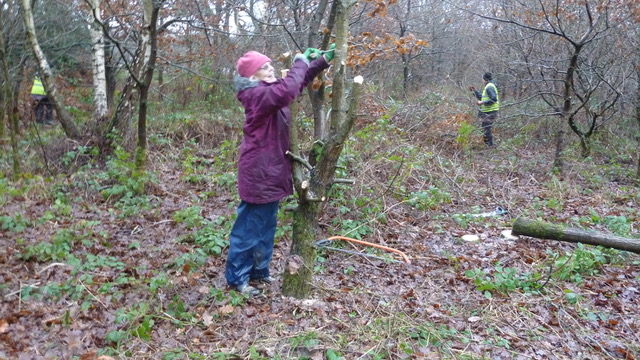
Our work today was continuing our previous work and was aimed at pushing the northern boundary of the meadow back by cutting down the small trees on the edge of the meadow and clearing them away.
Tackling a particularly feisty hawthorn bush: the Orchid Meadow, Adel Woods: 13th December 220
The morning was enhanced by the presence of Judith’s dog, Flash, who had a fine time training us all up to give him a full morning’s entertainment of chasing his ball. Hopefully he had a relaxing afternoon snoozing and dreaming of the orchid meadow.
We all had a really enjoyable morning and achieved a huge amount in the time available.
The orchid meadow, Adel Woods: 13th December 2020
If you have been, thank you for reading this. In January, we hope to be out in the woods again, surveying and cleaning the nest boxes.
The Friends of Adel Woods wish you a Happy Christmas and a Happy, Healthy and Prosperous 2021.
On 27th November 2020, Steve Joul went to see the murmuration of starlings at Fairburn Ings and here is his film and a couple of his photos.
If you wonder what a murmuration of starlings is, the RSPB website describes one as “a mass aerial stunt – thousands of birds all swooping and diving in unison. It’s completely breathtaking to witness.”
The murmuration of starlings on 27th November 2020, filmed by Steve Joul
When I first moved to Leeds in the early 1980’s, I saw murmurations over Leeds city centre many times as dusk fell and they were an awe-inspiring sight. Unfortunately, in about the mid-80’s Leeds City Council decided that the starlings caused too much damage to buildings like the Town Hall and put in place netting and other measures to move the starlings on – if you look at the Town Hall you will see the netting. In a way, I can understand, having left my car in Park Square for an hour one evening in 1983: when I returned, the car was covered from top to bottom in foul smelling goo deposited by the starlings – and it was very hard to remove! However, I have always felt that in losing the starlings from Leeds City centre we lost something special.
The starlings form a murmuration as they gather over their roosting site. It is believed that they do it because grouping together offers safety in numbers – as predators like peregrine falcons find it difficult to target one bird in the middle of such a large number. Starlings gather to keep warm over night and, according to the RSPB website, to exchange information, such as about good feeding areas (which if true is amazing!).
Fairburn Ings: 27th November 2020
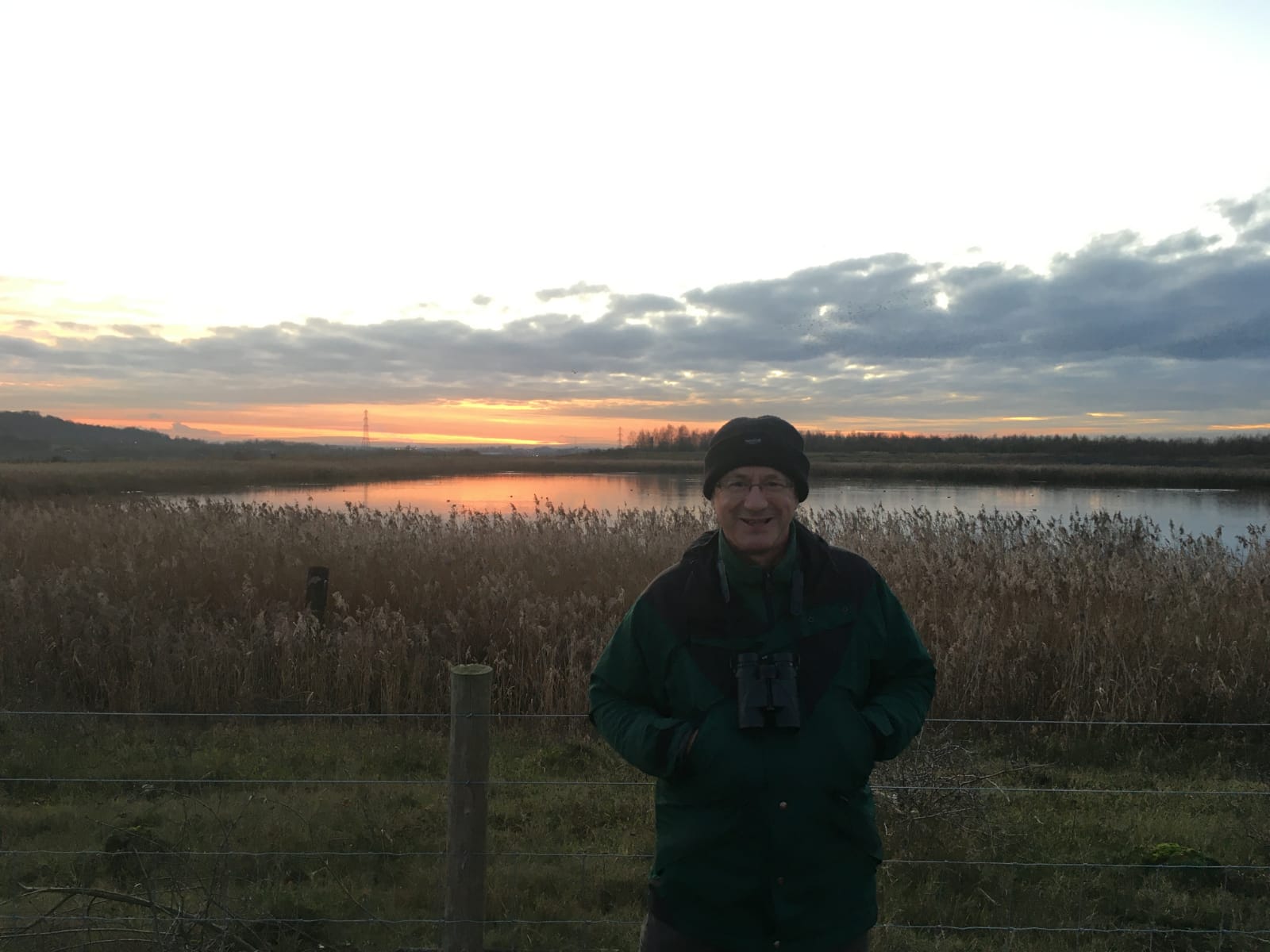
Steve commented on his trip to Fairburn Ings: “The evening far exceeded my expectations: the development of the flock, the dramatic drops into the reeds, the sounds, the changing evening colours, the lovely weather.”
How fantastic! If you get the chance to see a murmuration, I strongly recommend that you take it! This is a murmuration which Barbara filmed in Skipton in February 2019.
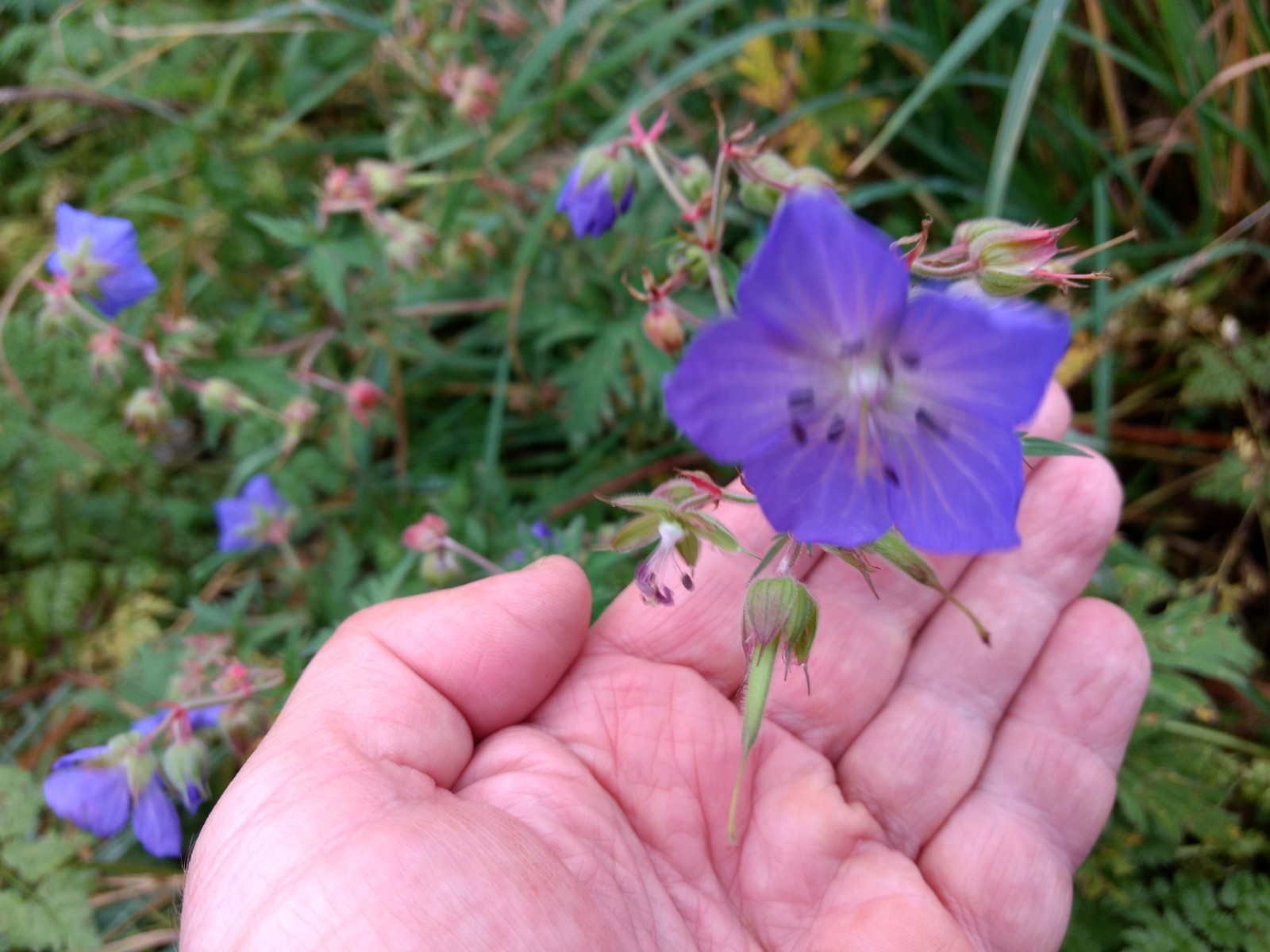
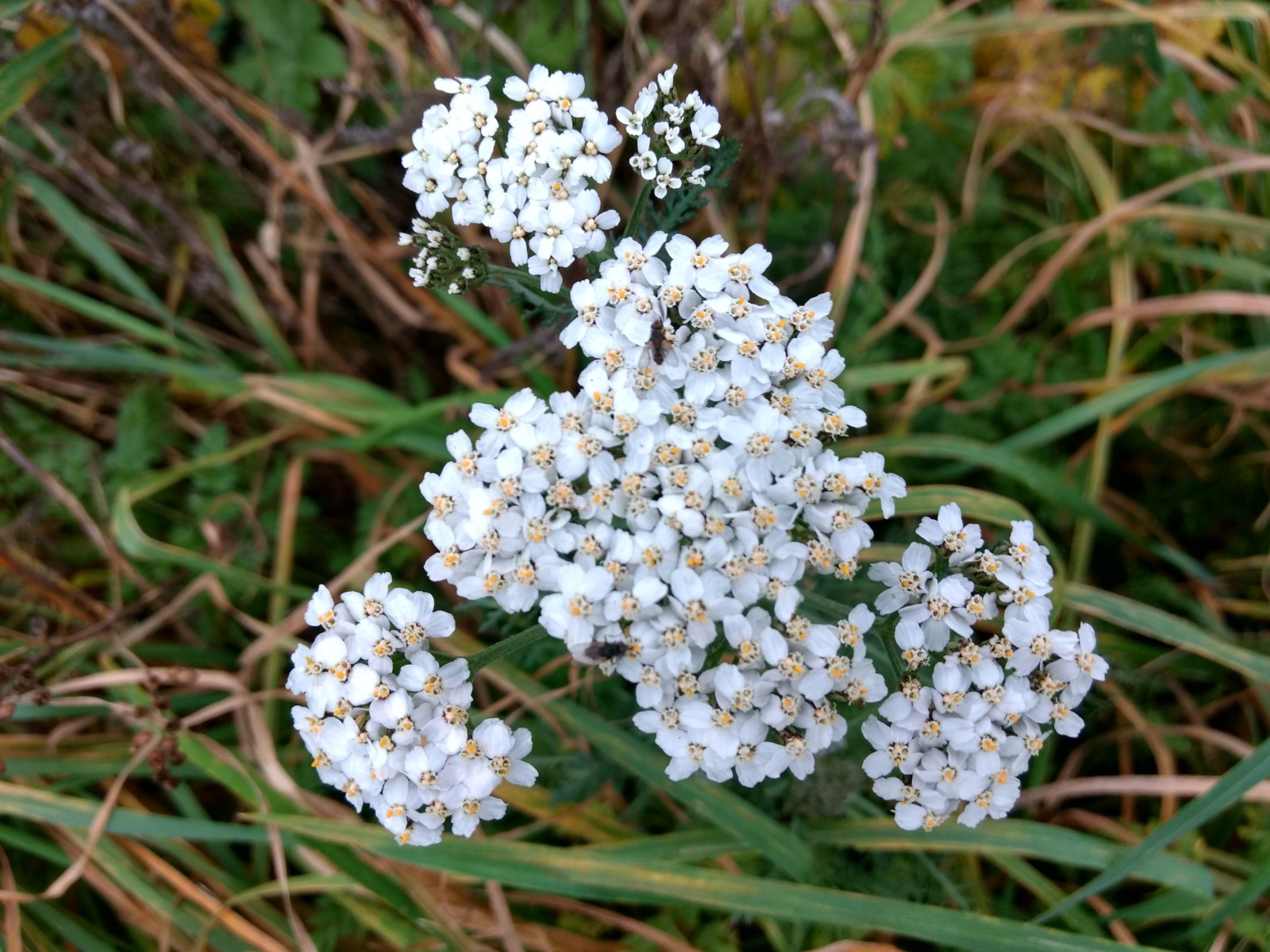
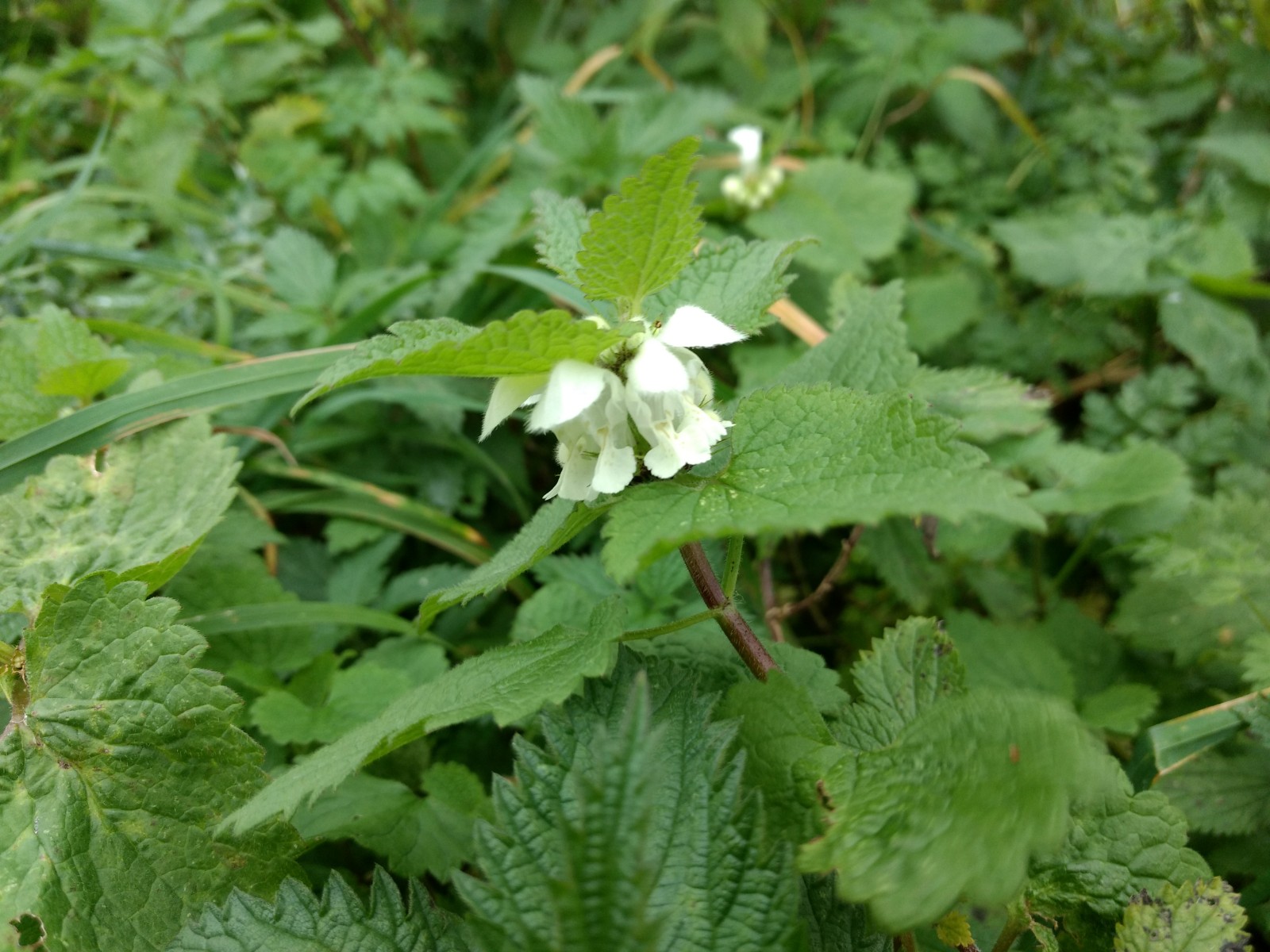
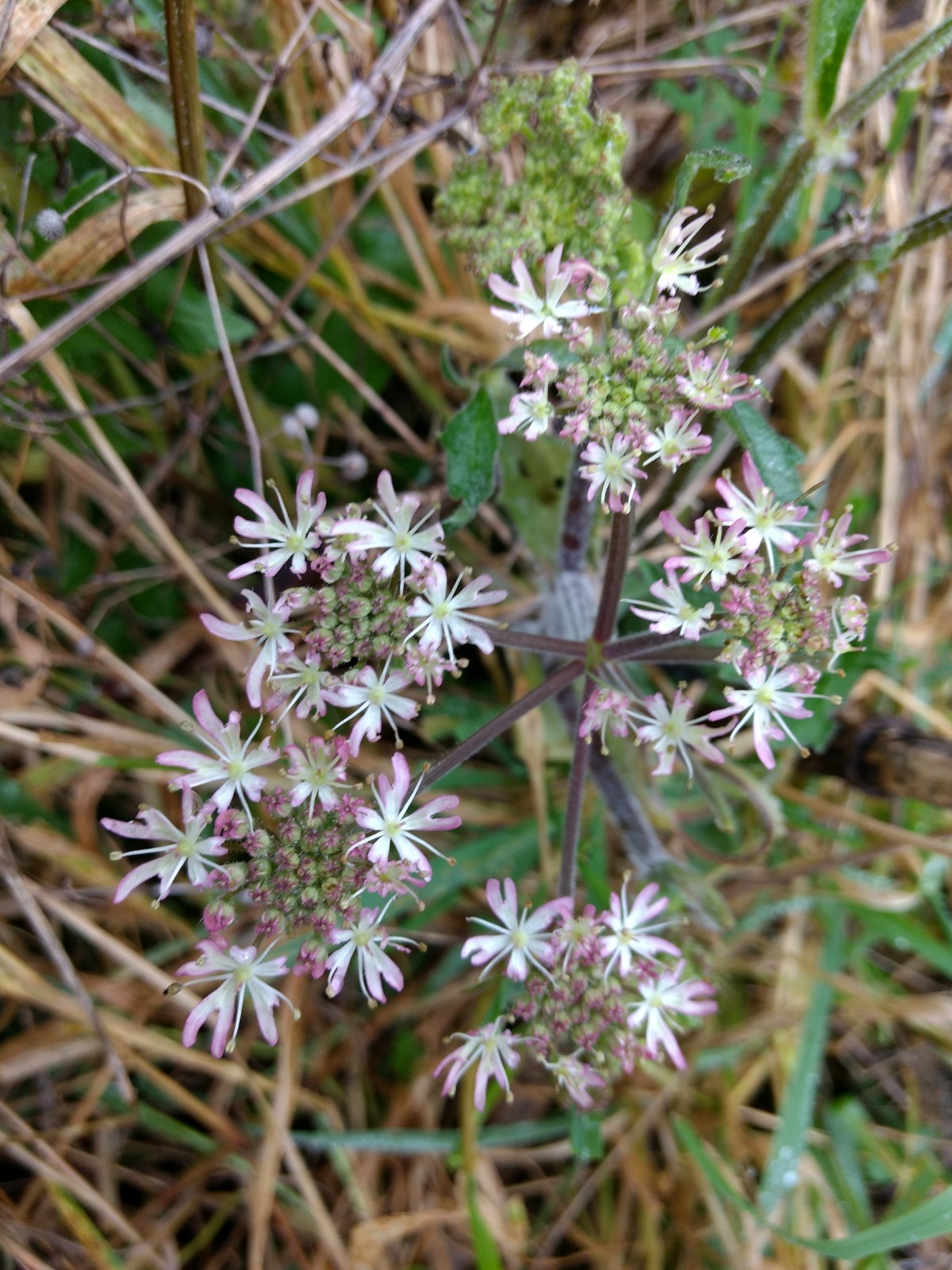
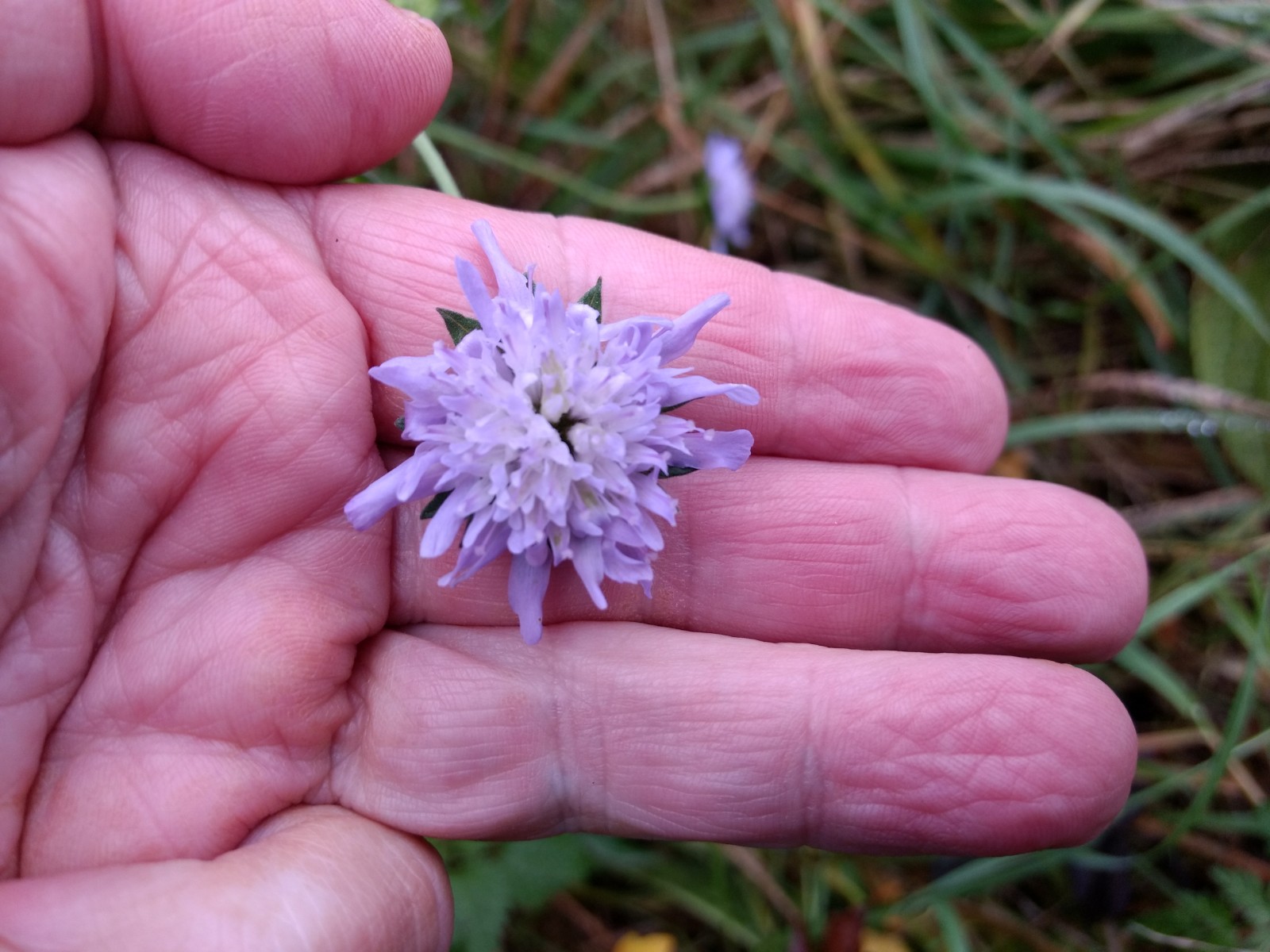
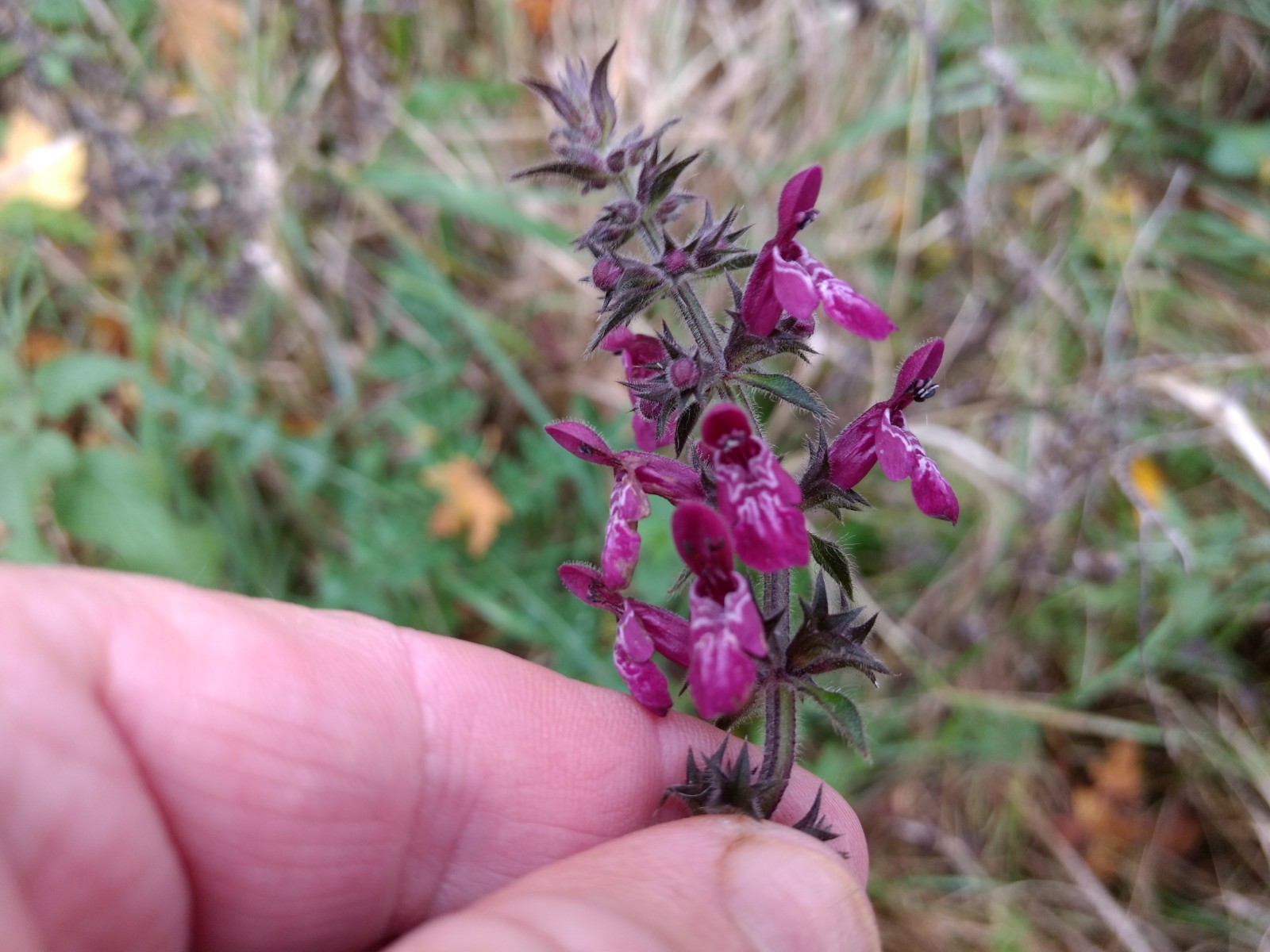
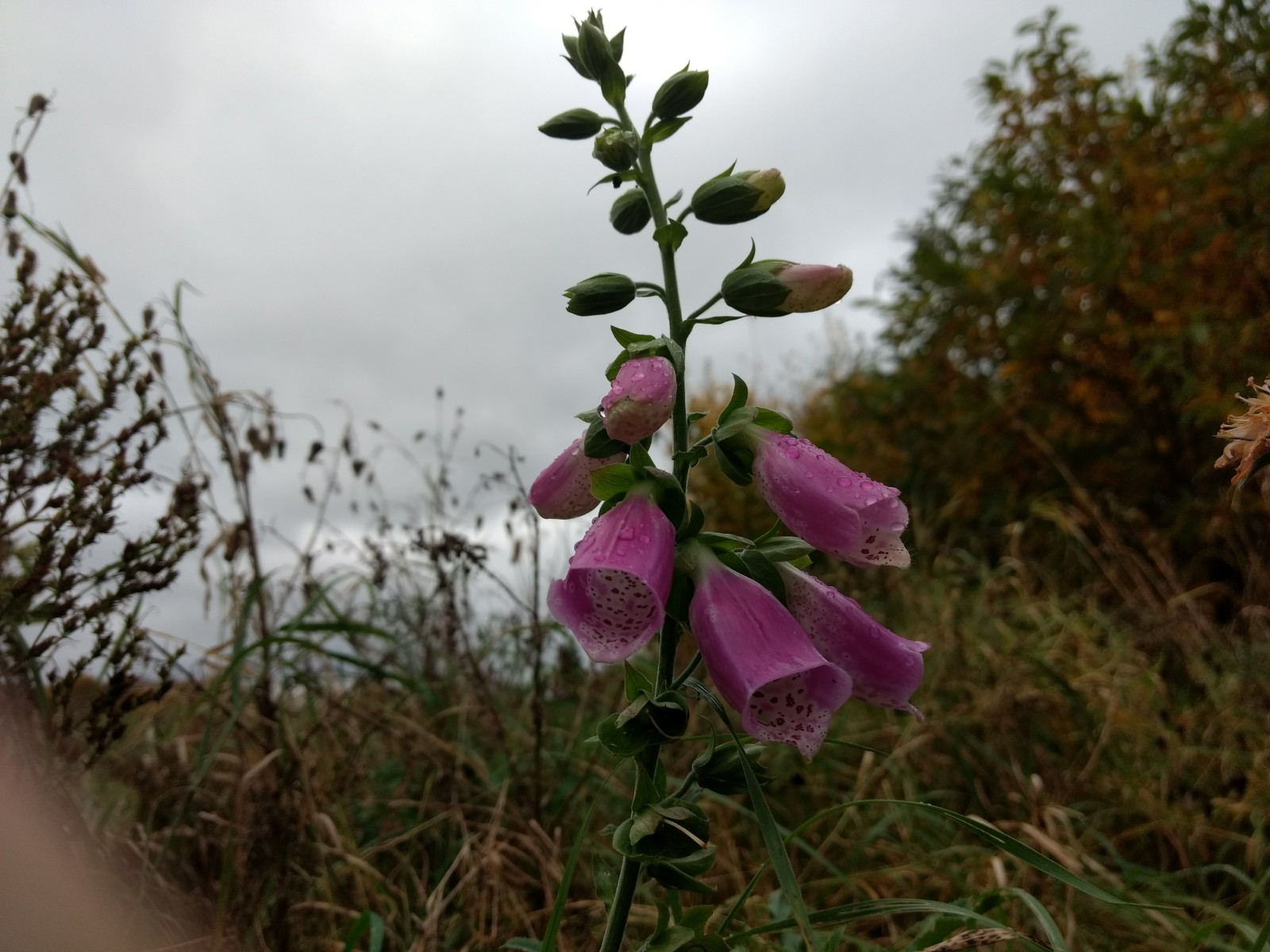
Steve Joul has been sending me photos of interesting things he has seen over the last month, and I thought I would share some of them. Mother Nature is always presenting us with something beautiful or awesome to see!
These are pictures taken by Steve at Killingbeck Fields while his wife was doing the shopping in Asda. Click on the pictures to get a better view.
Staghorn SumacMeadow CranesbillYarrowWhite Dead NettleOxford RagwortHogweedField ScabiousHedge WoundwortFoxgloveWelted Thistle
With the country anxious about covid 19, and the threat of further lockdown restrictions being imposed in Leeds as from tomorrow, it was unclear how many Friends would take part in today’s event.
In the event, four of us met up with Steve Joul in Buckstone Road at 10 am, on quite a pleasant morning.
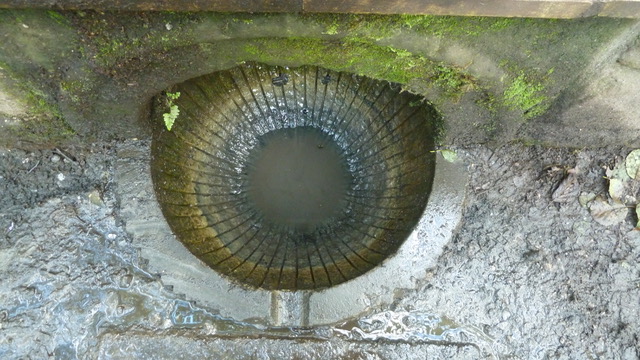
Judith, our intrepid treasurer, had set her heart on cleaning out the bowl of the Slabbering Baby which was full of stones and rather unpleasant mud.
The rest of us made our way to Mill Fall Pond, or Adel Pond as it is also known.
The pond was constructed many years ago to provide water for a Flax Mill which used to operate from this site. Steve Joul and volunteers rescued it from becoming dry land about twenty five years ago and each year Friends of Adel Woods spend a morning in October clearing out the stones and logs – which seem to be thrown into the pond by passersby throughout the year – and the silt which has been washed into the pond by the ditches which feed it.
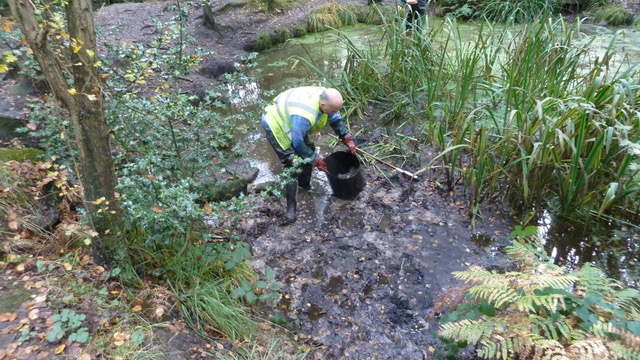
Steve and your correspondent got togged up in waders and made our way cautiously into the pond – cautiously, because you don’t want to trip on an underwater obstacle, step into a deep chasm or disturb the monsters of the deep!
Adel Pond
As usual we found plenty of very large logs and stones and removed them before embarking on the task of removing buckets of silt. Usually we have quite a large team, but today we started with two of us in the pond filling the buckets and two of us transporting the buckets of mud away for tipping down the nearby bank.
Before and after: if viewing online, move the slider to see the before and after images.
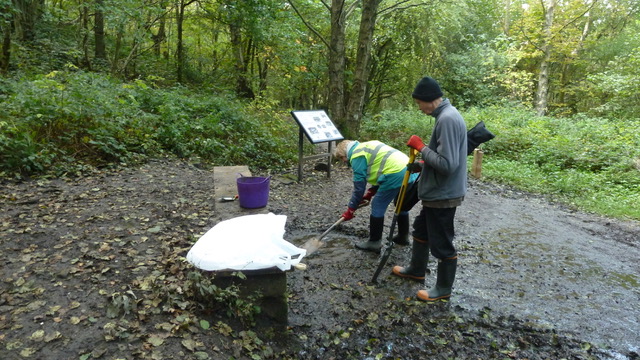
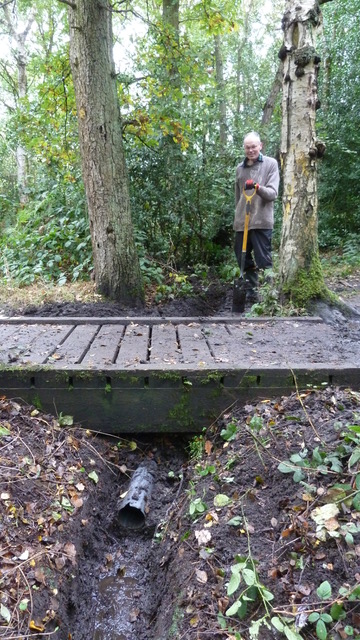
After about an hour, David set off to clear one of the ditches feeding the pond. Last year we cleared the ditch and inserted a pipe under the bridge leading down from the Meanwood Valley Trail but we were surprised to find a fortnight ago that the pipe was no longer visible as mud now covered it and completely blocked the space under the bridge. David came armed with his drainage rods as well as a couple of spades specifically to rectify the situation.
A view down the Meanwood Valley Trail towards Adel Pond
An hour’s hard work and the ditch was as good as new!
Adel Pond
We finished work at about 12.20 and all that remained was to clean the waders and tools in Nanny Beck before returning home for a well-earned Sunday lunch!
FOAW’s return to active service seemed in jeopardy when Leeds was put on lockdown on Friday due to rapidly increasing Covid-19 infections. It looked as if today’s event would have to be postponed. However, there rules make an exception for voluntary activities and a message was received yesterday morning that we could go ahead.
We met at the Slabbering Baby entrance to the woods on Buckstone Road at 10 am and we had a brilliant turn out of six – in addition to Steve Joul. The weather was chilly, but it was a pleasant day.
We had three tasks this morning: litterpicking, clearing spaces for our new interpretation panels and general path clearing. Unusually, none of our volunteers opted for litterpicking and so we all set off to our first task: clearing a space for the interpretation panel on the path down to the Slabbering Baby. Of course, we took a couple of litterpickers and bags with us and collected rubbish on our way.
The interpretation panels are a final stage of the Meanwood Valley Project, funded by the Heritage Lottery Fund: see our blog post for 11 June 2020.
On the way down to the location of this panel we saw that the Alder trees and the nettles by the path had very many blue beetles on them. Steve was of the view that they were alder leaf beetles in view of their location. However, it is only possible to identify some beetles accurately under magnification.
Clearing the space for the interpretation panel was a bigger job than anticipated and entailed cutting back holly, removing a number of small trees to lighten the location up, and marking the site for the panel with non-toxic spray. Unfortunately, when Steve shook the spray can, the orange paint started to shoot out of a puncture in the side, giving Steve some very stylish and modern flashes to his trousers!
Before and after – click to compare!
From there we made our way up to the moor to clear and mark the space for our interpretation panel there. This was a much easier task, merely requiring the removal of brambles, and marking the location with another can of spray paint which Steve had fortunately brought with him. As the gentlemen volunteers helped Steve with this, the lady volunteers set off to clear holly and brambles from one of the paths down from the moor to the Slabbering Baby.
The proposed site of the interpretation panel on Adel Moor
The path in question was one FOAW cleared a few years ago but it had become very overgrown. We spent about 30 minutes cutting back brambles and removing saplings.
Path clearing. Click on the photos to compare before and after
By the time we had completed this task it was 11.40 and Jude and Steph set off home. The remaining five set off up the Meanwood Valley Trail to Adel Crag, the site of the final interpretation panel. Fortunately, this required no more than agreeing the location and spraying it with paint.
The location of the interpretation panel for Adel Crag
Once we had completed this, we all set off home. On our way back to Buckstone Road, we unblocked the drainage pipe we put in Crag Lane in and had a look at the patch of Japanese knotweed which we have been trying to eradicate over the last 10 years. We found two or three shoots, but, fortunately, this is only a tiny fraction of the colony that was there a few years ago.
Cleared drainage pipe, Crag Lane, Adel Woods: 27 September 2020
Our first event in the field since 15th March! It was a lovely day and we had a really good turn out.
We met in Old Leo’s car park. It was a slow start, but eventually there were twelve of us including Steve Joul and Peter, one of his volunteers.
After a careful covid 19 briefing, six of our volunteers set off litterpicking and had a very successful morning, particularly around Adel Crag where there was a lot of broken glass.
The remaining six of us walked down to the orchid meadow – which is located to the west of the cricket pavilion – equipped with rakes, pitch forks, tarpaulins, a strimmer and (some of us) lunch.
Rob, Beth and Graham: the orchid meadow, Adel Woods
Steve and an assistant mowed the meadow on the 2nd September. Our job today was to rake up the mowings and transport them to composting bays at each end of the meadow, using tarpaulins as sleds.
Steve and Peter
By lunch at 12 noon, we had cleared perhaps a quarter of the meadow and it looked as if we would not complete the job today.
Afternoon
We began work again at 1.15 pm – now down to a team of five.
There were lots of brambles around the edge of the meadow, and a visitor came to collect blackberries!
And we had a guest appearance from our treasurer and Flash who both came to encourage us.
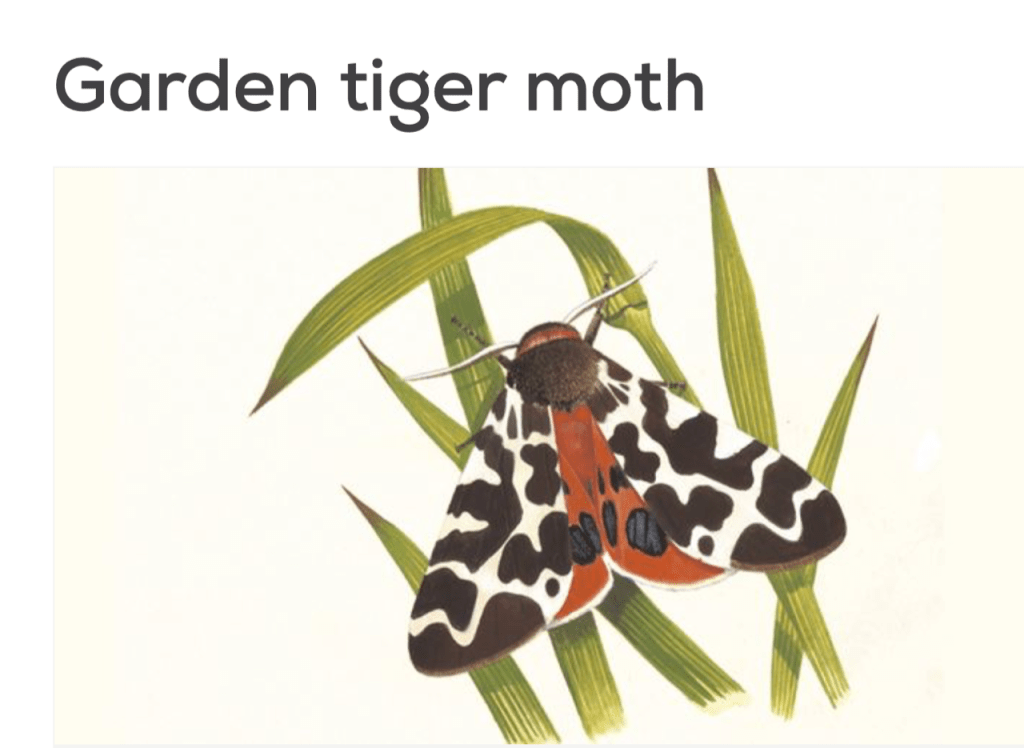
It was a lovely afternoon. From a wildlife point of view, the highlight was when Peter found a Woolly Bear! No – not a ferocious mammal, but the caterpillar of a tiger moth!
Woolly Bear, Adel Woods: caterpillar of the garden tiger moth or possibly ruby tiger moth.Courtesy of RSPB website.
Having inspected the Woolly Bear, we got back to work and much to your correspondent’s suprise, we completed the job by 3 pm!
Common spotted orchids in Adel Woods: 24 June 2020
One of the loveliest spots in Adel Woods in the Summer is the orchid meadow which has a wonderful display of wild flowers – and in particular of common spotted orchids.
Four years ago, the meadow was in danger of disappearing under encroaching trees, bracken and himalayan balsam. However, after careful work by Friends of Adel Woods and Steve Joul and other volunteers, the meadow is looking fantastic.
In September 2018, Steve and a volunteer spent a day mowing the meadow with a mechanical mower and this made a fantastic difference. Today they spent the day mowing the meadow again.
Jim mowing the orchid meadow: Adel Woods 2 September 2020
Steve also found this fine specimen of an artichoke gall on a pedunculate oak.
Artichoke gall on a pedunculate oak: the orchid meadow, Adel Woods – 2 September 2020


















 Friends of Adel Woods