Thursday, 27th May 2021: Annual General Meeting

We held our Annual General Meeting this evening by Zoom. All the current committee members stood for re-election and were duly appointed.

Roger Gilbert was appointed chair, Judith White treasurer and Stephanie Clarke was appointed secretary. Rob Hall agreed to check the annual accounts.

The constitution provides for a committee of 10 members.  Currently, we have six committee members, so we are keen for new volunteers to join the committee. If you are interested in joining the committee and having an input into the work done by Friends of Adel Woods please put yourself forward – you can do this by contacting Roger Gilbert by posting a comment on this website. The duties of the committee are not onerous.  In a normal year we have about four meetings when we decide on our program of work, discuss and approve fund raising and expenditure, and deal with the matters which arise from time to time.  

The Chair’s review of activities from May 2019 to May 2020

Our last AGM was on the 9th May 2019.  We couldn’t have an AGM in person in May 2020 due to Covid 19 restrictions and it has been put off until today.  So we have two years to review.

May 2019 to May 2020

From May 2019 to May 2020 we carried out the following:

  • eight litterpicking mornings
  • three mornings working on Adel Moor
  • two mornings working on Adel Bog
  • four mornings of path clearing including repairing the Stairfoot Lane steps
  • one morning clearing mud and debris from Adel Pond
  • one morning working in the hospice woodland
  • two days of nest box cleaning and surveying with S Joul
  • one day when David S and I replaced a missing nest box by the bridge below the pond – this particular location being a popular one for nuthatches to nest in.

In addition Steve Joul let a very successful Fungal Foray in October.

We also had a stall on the village green in August when Kibitz played.

In addition it is worth saying that 2019 was our tenth anniversary year and we celebrated this with a meal at the Olive Branch attended by 58 people, and the sale of a FOAW 2020 calendar which sold 50 copies.

Friends of Adel Woods; 2020 calendar
The Friends of Adel Woods 2020 Calendar

Our last event in this year was the path clearing in March 2020.  However, we had a great discovery when Lisa and Andy Worrilow found a colony of green hairstreak butterflies on Adel Moor – hitherto the only colony in the Leeds area was on Otley Chevin.

May 2020 to May 2021

Our activities were severely curtailed from March 2020 due to the Covid 19 lockdown.

We were not able to have our AGM or our annual birdsong walk in May 2020.  We did, however, manage to have some events from May 2020 to today.

In September we spent a day raking mowings from the Orchid Meadow after Steve and a volunteer, Jim, mowed it. We also had a morning in December when we extended the northern boundary of the meadow. I should say that the Orchid Meadow has been a great success after all the work which FOAW and Steve have done on it.  See the pictures on the blog for June 2020.

In October we had a morning of dredging Adel Pond, working on the ditches draining into the pond, and Judith cleaned out the Slabbering Baby.

We also had a day in the Autumn path clearing, but I don’t seem to have put a blog entry or have any photos!

Other notable events are the installation of the new interpretation boards – Adel Moor, Alwoodley Crag, and Buckstone Road entrance and the planting of a new orchard in the practice rugby field.

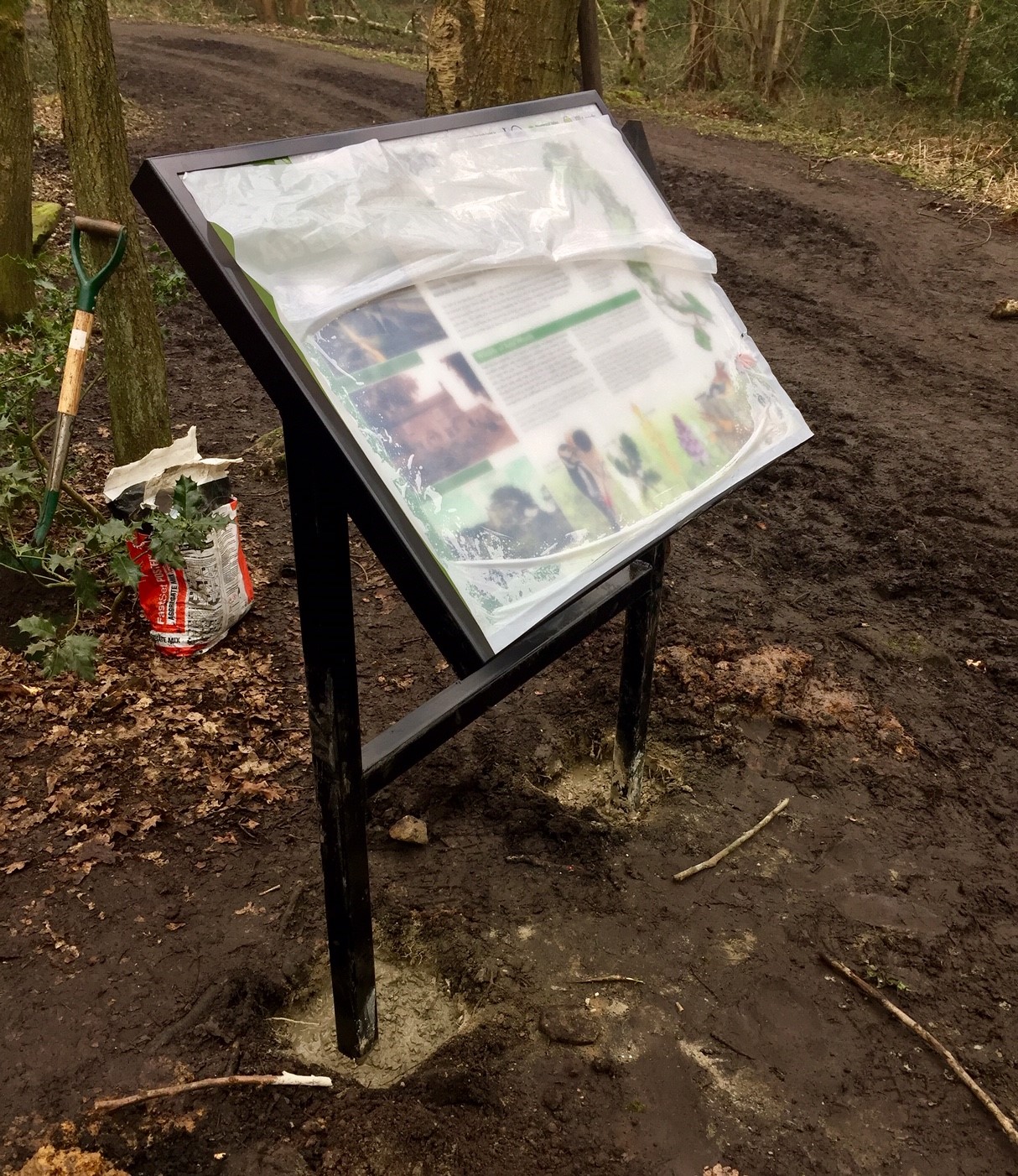
The Interpretation boards: in June, David Preston helped some of us choose sites to place them.  In September, we helped Steve Joul clear the  sites and mark them. In March David and his colleagues installed them for us – and they look wonderful.

David Preston putting the finishing touches to one of the new interpretation panels in Adel Woods

Steve has planted ten fruit trees – eight apple and two conference pear trees – in what used to be the practice rugby ground to the north west of Old Leo’s clubhouse..

Oh, and I should say that the Green Hairstreaks were seen on Adel Moor in April, but we are concerned that they may not have been able to breed before the rather wet weather we have had in the last month.

Apart from that, I have put some entries in the blog about ring necked parakeets in Leeds and murmurations of starlings, badgers and yellow hammers

One thing is clear is that Adel Woods has been a very popular recreational spot during the lockdowns – as evidenced by the large number of extra paths that have appeared for the first time in the last year.
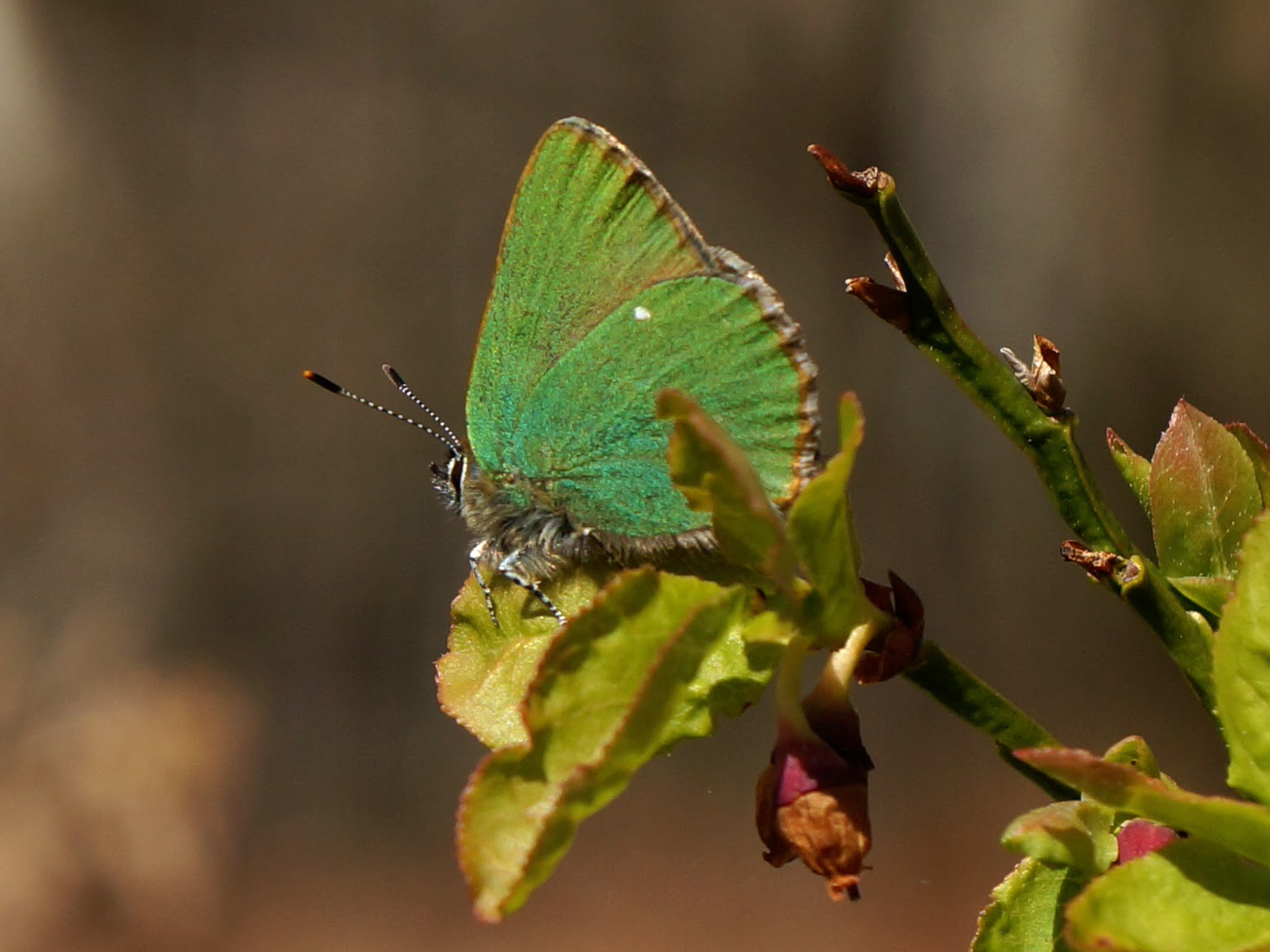
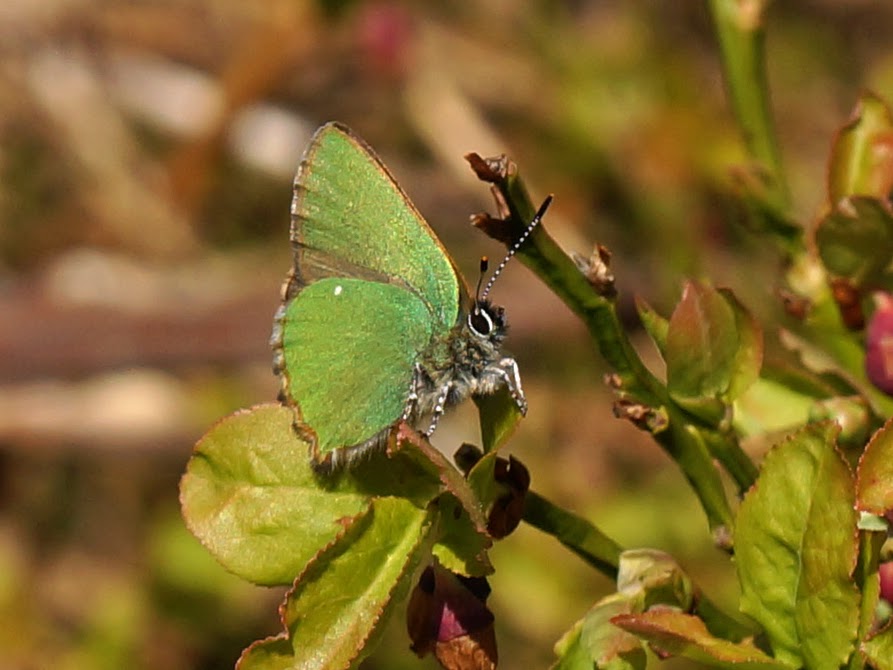
Thursday, 22nd April 2021: Green Hairstreaks on Adel Moor

Green Hairstreak on Adel Moor on 24th April 2021: photo taken by David Cockburn

Last April, we were very excited when local nature enthusiasts, Lisa and Andy, found a colony of Green Hairstreak butterflies on Adel Moor – the first sighting in the Leeds area other than on Otley Chevin. 

Well, they were back this year and the counts were: 22nd April – 1 seen; 24th April – 2 seen; 25th April – 4 seen.

Unfortunately, the weather has not been kind since the end of April. Let’s hope that they were able to breed and they will be back next year.
If you would like to find out more about Green Hairstreaks and see the photographs from last year, have a look at our blog entry for the 25th April 2020.

Green Hairstreak on Adel Moor on 24th April 2021: photo taken by David Cockburn

Thursday, 18th March 2021: a new orchard in Adel Woods!

Steve Joul spent today planting ten sapling fruit trees in the disused rugby field to the north of Crag Lane. If you can’t see them very clearly in the photograph, it is because they are only about a metre and a half in height and they are planted well apart so that they have space to develop fully.

The location of the new “orchard”.

The fruit trees are as follows:

  • two Cox’s Orange Pippin apple trees
  • four James Grieve apple trees
  • one Belle Boskoop apple tree
  • one Egremont Russet apple tree
  • two Conference pear trees.

They are grafted onto M25 root stock which means that they needed to be planted eight metres apart as, with tender loving care, they have the potential to grow into magnificent trees. The tender loving care will involve ensuring that they get adequate water during the Summer until their root systems have recovered from being uprooted and replanted.

The planting of the trees is part of Leeds City Council’s Woodland Creation Scheme. In 2019 the Council declared a climate emergency and set a target to become carbon neutral by 2030, part of which is to be achieved by the planting of trees.

The Council is also a member of the White Rose Forest, a community forest for North and West Yorkshire. The White Forest strategy for Leeds has set a target of increasing tree cover from 17% to 33% by 2050 and is intended to ensure that no household in Leeds is further than 500 metres from wooded spaces.

These ambitious plans involve planting 5.8 million trees on Leeds City Council land by 2045. Each year from 2020 to 2045, fifty hectares of parks and green spaces will be identified and planted up with 4,500 saplings per hectare, a planting target of 225,000 trees each year, to create an additional 1,250 hectares of new woodland per year throughout the city on Council owned land.

The benefits of planting trees are many:

  • they remove carbon dioxide from the atmosphere and provide oxygen – crucial in reducing the effects of greenhouse gas emissions
  • they act as air filters, capturing harmful pollutants by trapping them on their leaves and bark
  • trees and woodlands are important habitats for wildlife
  • mature trees provide shade and reduce urban temperatures
  • trees prevent flooding by keeping soil in place and soaking up water
  • Woodlands provide a place to connect with nature, helping people to relax and unwind, which benefits both mental and physical health
  • The planting of fruit trees in Adel Woods was at the request of one of our local councillors. Here is a little more information about each of the tree species – obtained from https://www.orangepippintrees.co.uk (save for Belle de Boskoop) :

    Cox’s Orange Pippins

    Considered by many to be the finest of all apples, primarily a variety for eating fresh, but also excellent for juice, cider and baking.

    James Grieve

    Raised in Scotland at the end of the 19th century, this is a mid-season variety which is picked in early-mid September. It is a very juicy apple grown for eating and cooking. It is an excellent pollinator for many other apple varieties.

    Belle de Boskoop (information from Wikipedia)

    This is an apple cultivar which originated in Boskoop, Netherlands, where it began as a chance seedling in 1856. It is firm, tart and fragrant and can contain more than four times the vitamin C of Granny Smiths or Golden Delicious.

    Egremont Russet

    A classic English russet apple from the Victorian era, popular with discerning apple lovers who appreciate its unique flavour and appearance. It works well in savoury salads and is good for juicing.

    Conference Pear

    The most widely-grown pear variety in the UK. It crops heavily and reliably and has an excellent flavour.

    If your mouth is now watering, have a look at the orange pippin trees website.

    Planting fruit trees in Adel Woods 18 March 2021
    Planting fruit trees in Adel Woods, 18 March 2021

    2nd and 3rd March 2021: the new interpretation panels in Adel Woods

    Installing the interpretation panel by the side of the path down to the Slabbering Baby

    As part of the Wilderness on Your Doorstep project in the Meanwood Valley, funded by the Heritage Lottery Fund, Adel Woods was allocated three interpretation panels to be sited by the path into the woods from Buckstone Road, on Adel Moor and on Crag Lane near Adel Crag.

    After a long delay due to covid 19, they have at last been installed by David Preston and Louise and Emma of the Parks and Countryside ranger team.

    On Tuesday, 2nd March, they installed the panel on the path from Buckstone Road(see pictures above) and the panel on Adel Moor (see pictures below).

    Installing the interpretation panel on Adel Moor.

    They installed the final panel on Crag Lane on Wednesday 3rd March.

    The interpretation panel on Crag Lane, near Adel Crag.

    They look great! So thank you to everyone involved in applying for the grant from the Heritage Lottery Fund, to Dan Malster who organised the design of the panels, to Steve Joul who assisted in clearing the locations for them, and to David, Louise and Emma who installed them – and of course to everyone else who played a part in the long journey from imagining their existence to their installation.

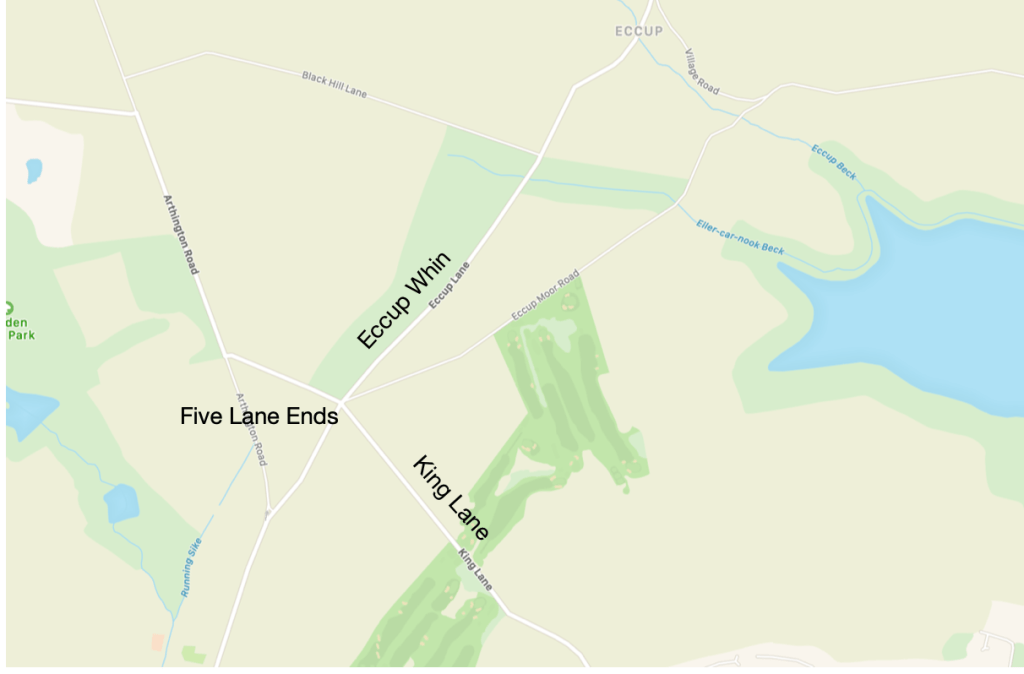
    I should say that the lottery funding also covered the cost of installing an interpretation board at Adel Whin on Eccup Lane. Adel Whin isn’t part of the area looked after by FOAW but here is a picture of David installing the panel.

    Wednesday, 24th February 2021: improvements to the Meanwood Valley Trail at the Slabbering Baby.

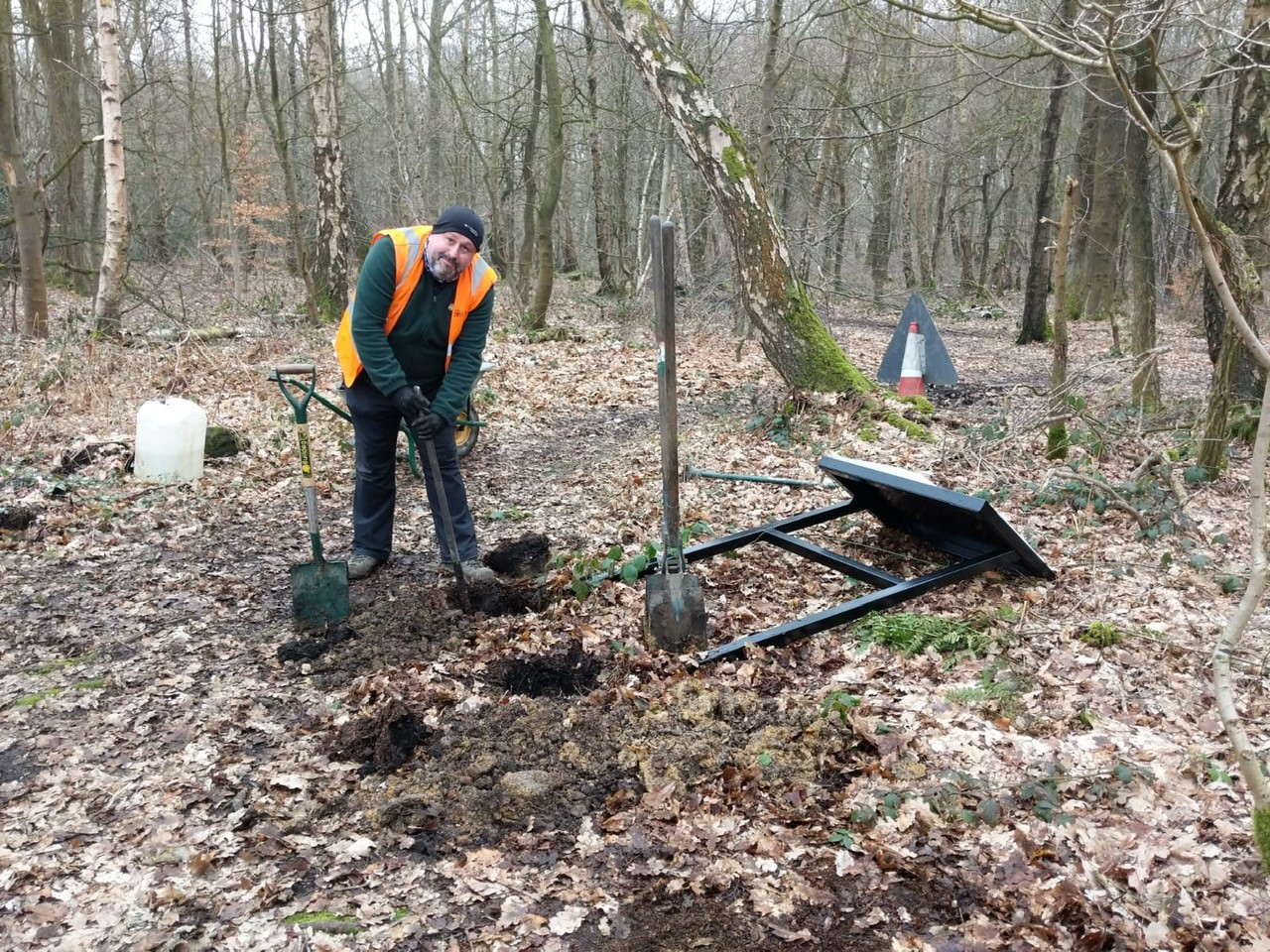
    At the end of February, Leeds City Council started work to improve the path in the area of the Slabbering Baby. There has been a longstanding problem because a large amount of the spring water from the moor no longer flows into the Slabbering Baby but emerges about 10 metres away – onto the path leading up to Buckstone Road. The result is that the path and the Meanwood Valley Trail have frequently been covered in very deep mud.

    Over the years, FOAW and Steve Joul and his volunteer team have tried to improve the area by scraping off mud, adding hardcore and doing our best to create a channel across the Meanwood Valley Trail so that water can flow away into the undergrowth on the lower side of the trail. However, it has been difficult because the path surface below the mud is very hard – and the mud returns very quickly!

    At the instigation of Cllr Buckley, the Parks and Countryside Department investigated the cause of the problem and have laid new drainage pipes to take the surface water away. The area is already looking a lot better.

    The area of brown earth shows where new pipes have been laid to take away the surface water.

    Thursday, 11th February 2021: Feeling stressed? Take a walk on the wildside….or in the garden or Adel Woods!

    Adel Pond

    A few days ago, after several hours of Zoom calls, I felt jaded and couldn’t face more time at the computer and so I decided to go and find something to do in the garden.

    To my amazement,  after about a minute of being outside, I found my feelings of being weighed down lifted completely and I felt refreshed and energised – and I enjoyed pottering about in the garden for the next hour or so.

    I am not the first to discover that just being outside in the natural world can improve our wellbeing.  In fact, numerous studies have found that spending time out in green space brings many health benefits.

    You may even have heard of “Forest Bathing”, a practice which began in Japan in the 1980s, and which is becoming popular in the UK.  In this practice – in which you remain fully clothed by the way! – you spend time enjoying the woods with all your senses.  The aim is twofold – to offer an antidote to stress and to inspire people to connect with and protect our forests.  

    Japanese researchers have found that forest bathing can:

    • reduce blood pressure
    • reduce stress
    • improve concentration and memory
    • boost the immune system
    • increase anti-cancer protein production
    • Lower blood-sugar levels
    • lift depression

    In 2020 a review of current literature concluded that forest therapy plays an important role in preventive medicine and stress management for all ages.

    As my own recent experience shows, even a short time out in nature can have a powerful effect on our wellbeing and a number of factors seem to make time spent in the garden, the park or the woods so beneficial:

    • natural light not only helps set your body clock and improve sleep, but is also believed to increase the production of serotonin which helps the digestive system, sleep and mood;
    • when we engage in gentle physical exercise endorphins are released into the bloodstream, improving wellbeing;
    • many plant species produce compounds and oils called phytoncides to fight infection from viruses and bacteria, and studies show that inhalation of phytoncides has beneficial effects on our immune, endocrine, circulatory and nervous systems;
    • soil, compost and leaf mold contain mycobacterium vaccae, and proteins from the cell walls of this bacterium trigger the further release of serotonin in our brains (so weeding is good for you!);
    • getting out in nature can prompt us to experience awe – a state of wonder coupled with a sense of being small in the presence of something bigger than ourselves, which has been shown to have many psychological and physiological benefits;
    • if there is a pond or stream in the vicinity it is even better: the sound of water has been shown to reduce production of the stress hormone cortisol, and MRI scans have shown that when people are shown videos of water their brain activity moves from flight or fight to relaxation.

    So if you are stressed “take a walk on the wild side”  and enjoy some  mindful time out in your local garden, your local park or even Adel Woods.  Even better make it part of your daily routine to enjoy some ecotherapy!

    Even better, when we are once more out of lockdown, come and join Friends of Adel Woods in looking after our local greenspace.

    30th January 2021: Ring Necked Parakeets in Leeds

    Ring Necked Parakeets have been in the news recently – which coincides with Steve Joul sending me reports and film of sightings in Roundhay Park.

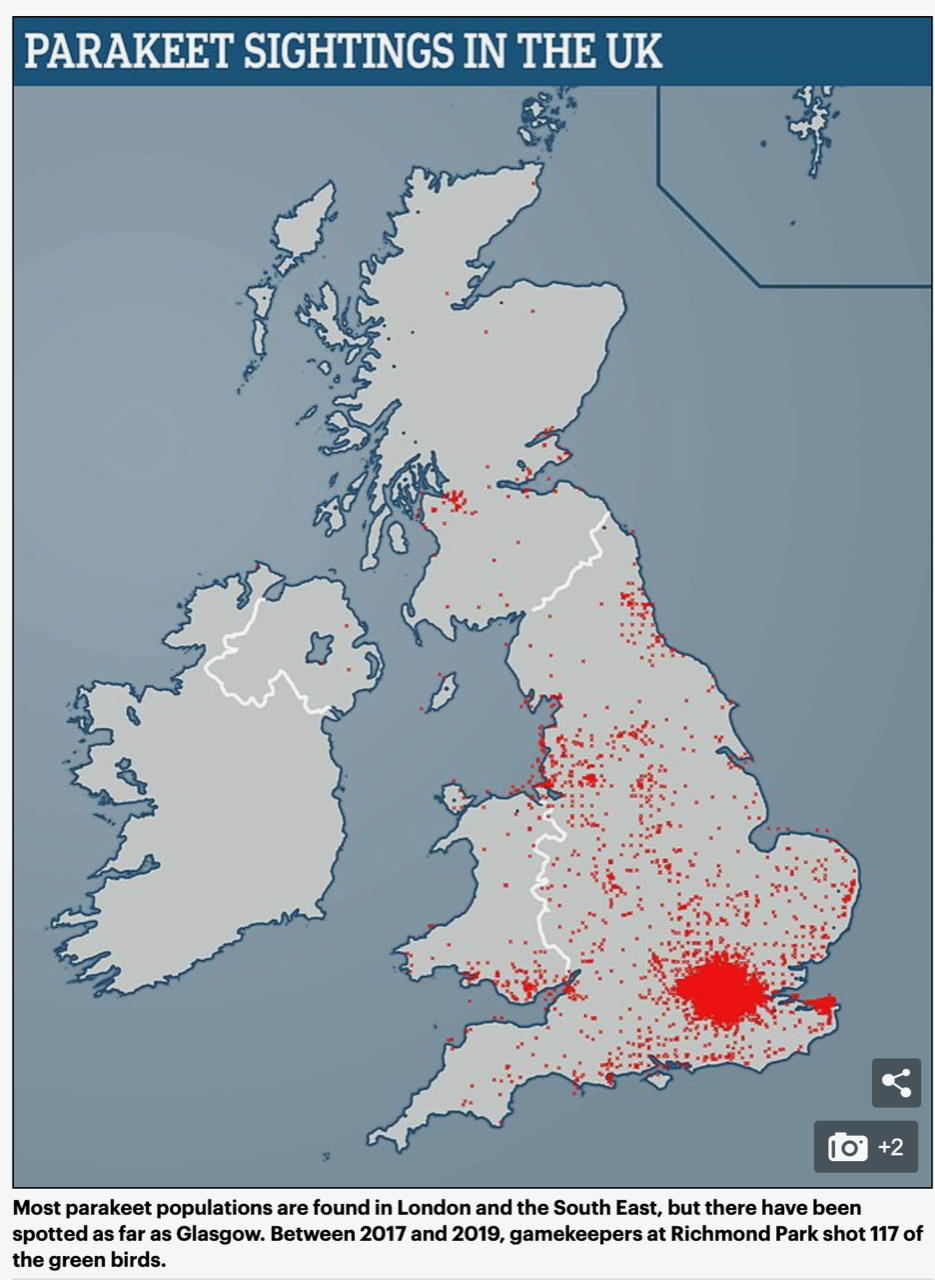
    Ring Necked Parakeets (psittacula krameri), also known as Rose Ringed Parakeets, are natives of Africa and southern Asia. They have become naturalised in the UK, probably because pets were released or escaped into the wild in the 1970’s.

    At first, they established colonies in the southeast England, in particular Surrey, Kent and Sussex, but they have slowly been spreading northwards and have even been spotted as far north as Edinburgh and Glasgow.

    You are probably wondering where you can see these exotic birds in Roundhay Park and Steve tells me that there is a roost outside the Lakeside Cafe. He saw 22 birds there on the 4th January and they leave the roost at dawn and return at dusk.

    Here is a film which he took at 7.45 am on the 1st December.

    They are often seen in flocks and, nationally, it is estimated that there are now 170,000 in the UK.

    The reason that Ring Necked Parakeets have been in the news is that they have become so numerous in the London area that some people are calling for a cull as they are an invasive species and they are allegedly causing problems for farmers and native species.

    From an ecological perspective, they nest in holes in trees and so there is a fear that they compete with tits, starlings and nuthatches. The RSPB and the BTO are not calling for a cull at the moment because there is insufficient evidence that they are a problem.

    Their diet is nuts, seeds, berries and fruits – though they will apparently eat bacon off garden bird tables – so farmers fear that they could cause a lot of damage to crops.

    Here is a recording of Chris Packham talking about Ring Necked Parakeets on Broadcasting House on Radio 4 on the 24th January 2021.

    Sunday, 13th December 2020: Steve Joul, five Friends and one dog went to widen a meadow!

    The orchid meadow, Adel Woods: 13th December 2020

    Our last Friends of Adel Woods event of the year – and despite covid 19, we have managed to carry out ten tasks this year.
    The weather did not look promising: at 9.30 am it was bucketing down with rain. But over the phone, Steve Joul, who was sitting in his van in Old Leo’s carpark, said: “You never know, it might clear up and be a lovely morning!”

    Despite my scepticism, Steve was right! By 10 am it had stopped raining and five Friends turned up to help him clear saplings from the edge of the orchid meadow or, as Steve calls it, the cricket meadow.

    The orchid meadow, Adel Woods: 13th December 2020

    We cannot say it was lovely day – it was grey and overcast and damp all morning – but the rain held off till noon and it was warm enough, we enjoyed each other’s company, and we achieved a lot.

    The orchid meadow, Adel Woods: 13th December 2020

    The orchid meadow was once part of Crag Farm, whose farmhouse once stood near Adel Crag. Over the years, the meadow was being invaded by trees, bracken and himalayan balsam until our treasurer discovered a few years ago that it was populated with lovely common spotted orchids. Since then we have done a lot of work to ensure that the orchids are not out-competed by the invading plants. This work has paid off – see our entry for the 24th June 2020 – which, by the way, is an antidote to the overcast scenes in this post.

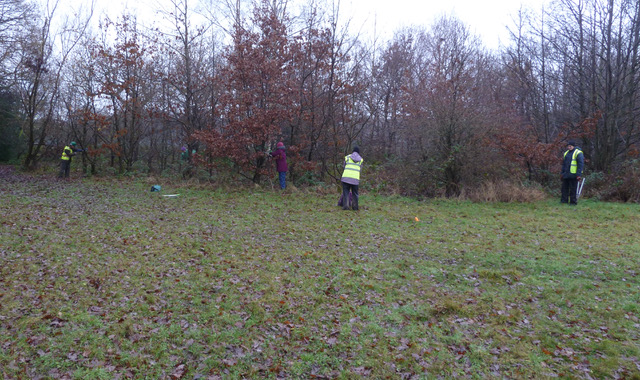
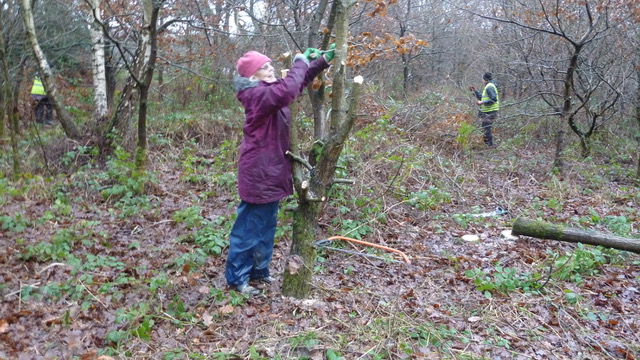
    Our work today was continuing our previous work and was aimed at pushing the northern boundary of the meadow back by cutting down the small trees on the edge of the meadow and clearing them away.

    Tackling a particularly feisty hawthorn bush: the Orchid Meadow, Adel Woods: 13th December 220

    The morning was enhanced by the presence of Judith’s dog, Flash, who had a fine time training us all up to give him a full morning’s entertainment of chasing his ball. Hopefully he had a relaxing afternoon snoozing and dreaming of the orchid meadow.

    We all had a really enjoyable morning and achieved a huge amount in the time available.

    The orchid meadow, Adel Woods: 13th December 2020

    If you have been, thank you for reading this. In January, we hope to be out in the woods again, surveying and cleaning the nest boxes.

    The Friends of Adel Woods wish you a Happy Christmas and a Happy, Healthy and Prosperous 2021.

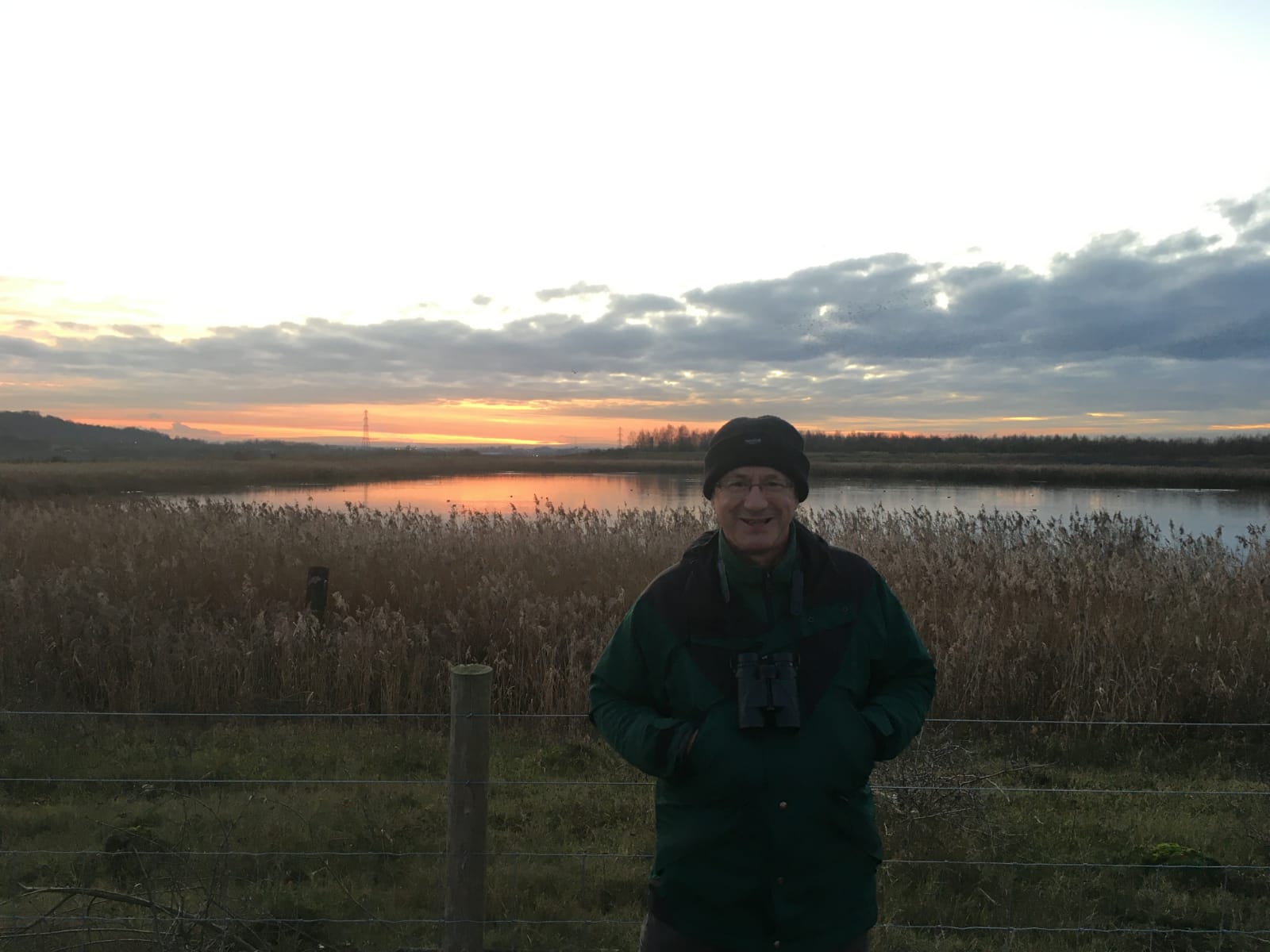
    27th November 2020: a Murmuration of Starlings at Fairburn Ings

    Fairburn Ings: 27th November 2020

    On 27th November 2020, Steve Joul went to see the murmuration of starlings at Fairburn Ings and here is his film and a couple of his photos.

    If you wonder what a murmuration of starlings is, the RSPB website describes one as “a mass aerial stunt – thousands of birds all swooping and diving in unison. It’s completely breathtaking to witness.”

    The murmuration of starlings on 27th November 2020, filmed by Steve Joul

    When I first moved to Leeds in the early 1980’s, I saw murmurations over Leeds city centre many times as dusk fell and they were an awe-inspiring sight. Unfortunately, in about the mid-80’s Leeds City Council decided that the starlings caused too much damage to buildings like the Town Hall and put in place netting and other measures to move the starlings on – if you look at the Town Hall you will see the netting. In a way, I can understand, having left my car in Park Square for an hour one evening in 1983: when I returned, the car was covered from top to bottom in foul smelling goo deposited by the starlings – and it was very hard to remove! However, I have always felt that in losing the starlings from Leeds City centre we lost something special.

    The starlings form a murmuration as they gather over their roosting site. It is believed that they do it because grouping together offers safety in numbers – as predators like peregrine falcons find it difficult to target one bird in the middle of such a large number. Starlings gather to keep warm over night and, according to the RSPB website, to exchange information, such as about good feeding areas (which if true is amazing!).
    Fairburn Ings: 27th November 2020

    Steve commented on his trip to Fairburn Ings: “The evening far exceeded my expectations: the development of the flock, the dramatic drops into the reeds, the sounds, the changing evening colours, the lovely weather.”

    How fantastic! If you get the chance to see a murmuration, I strongly recommend that you take it! This is a murmuration which Barbara filmed in Skipton in February 2019.

    Steve Joul’s peregrinations and observations: 31st October 2020.

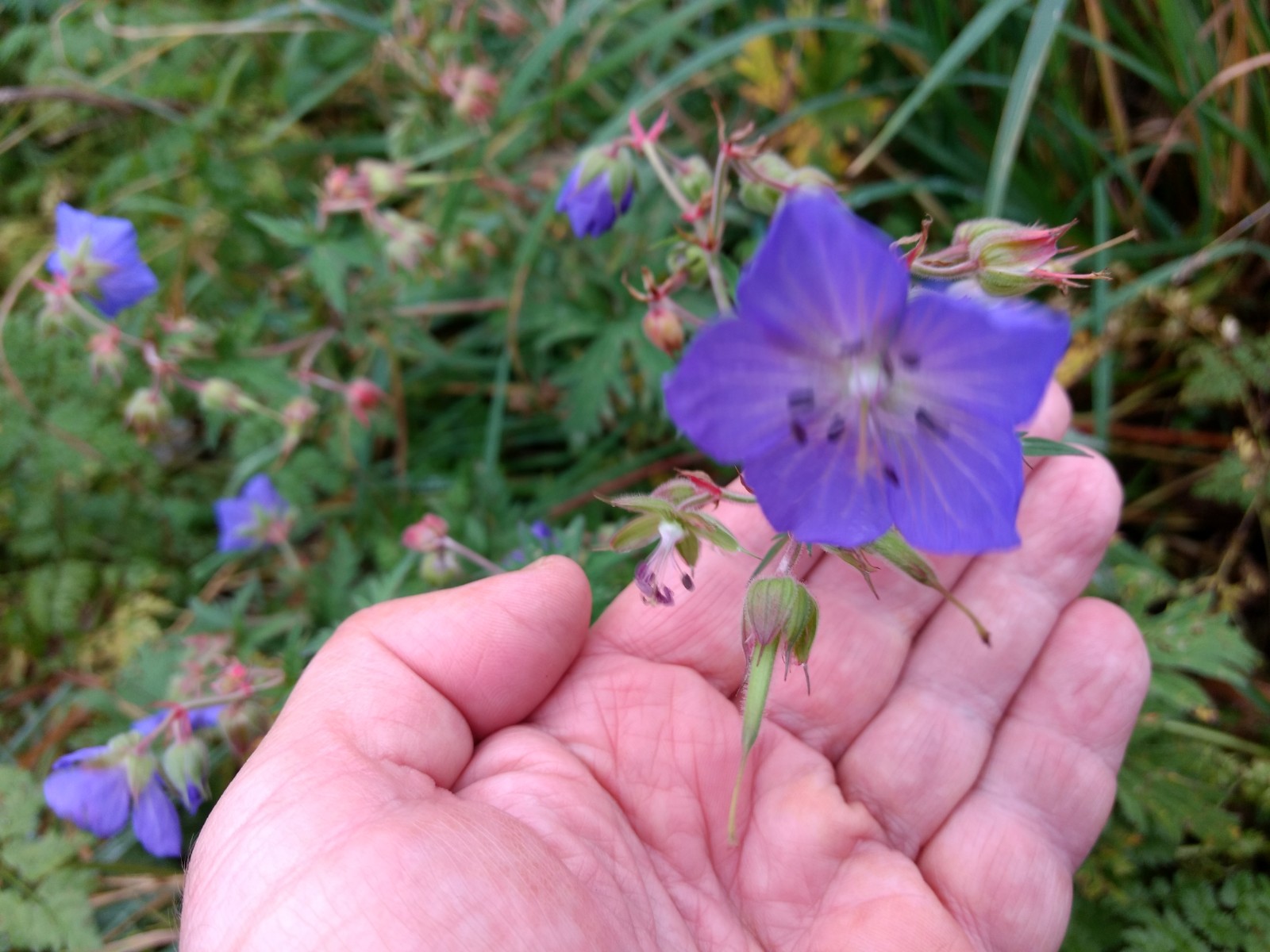
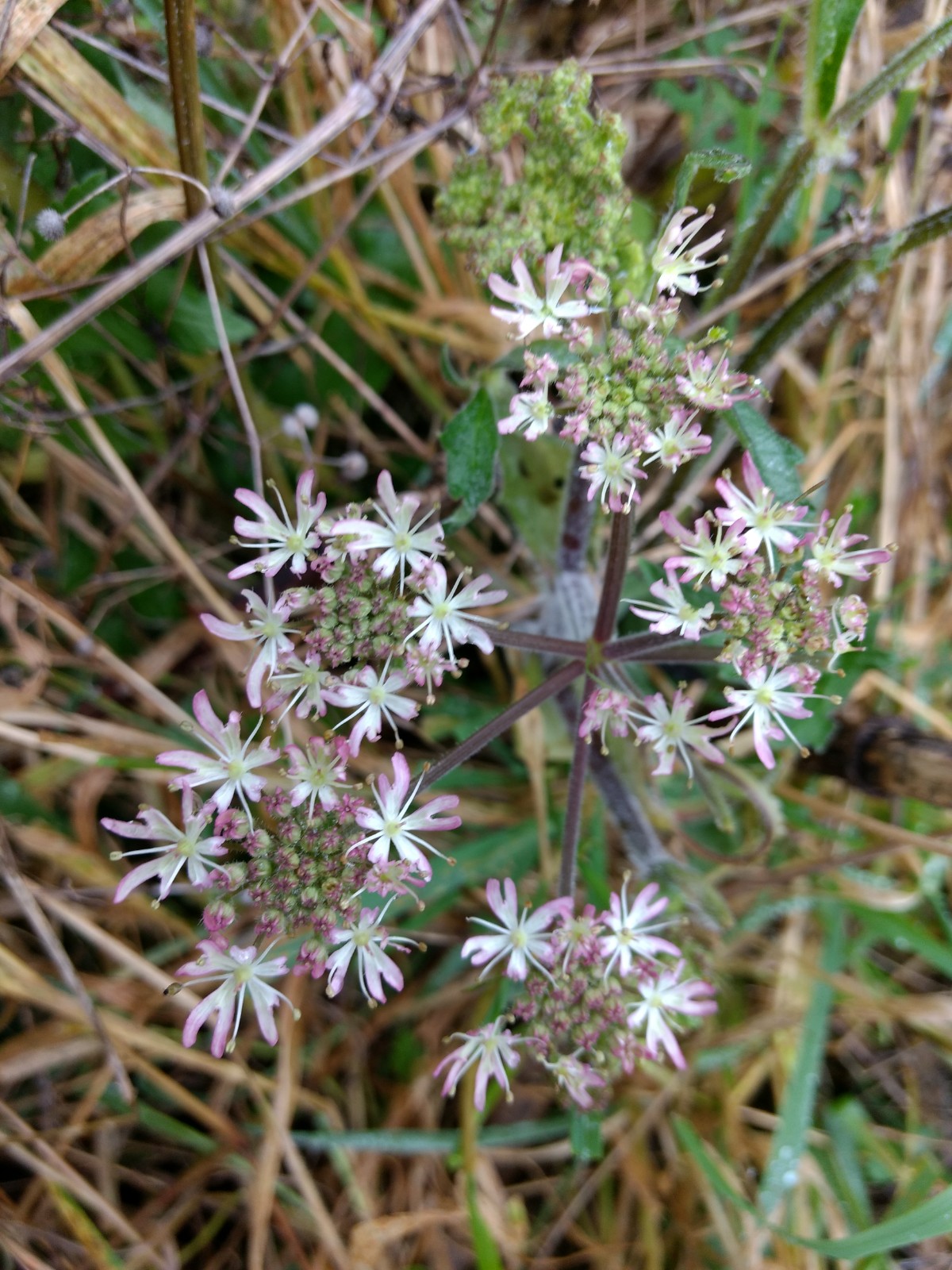
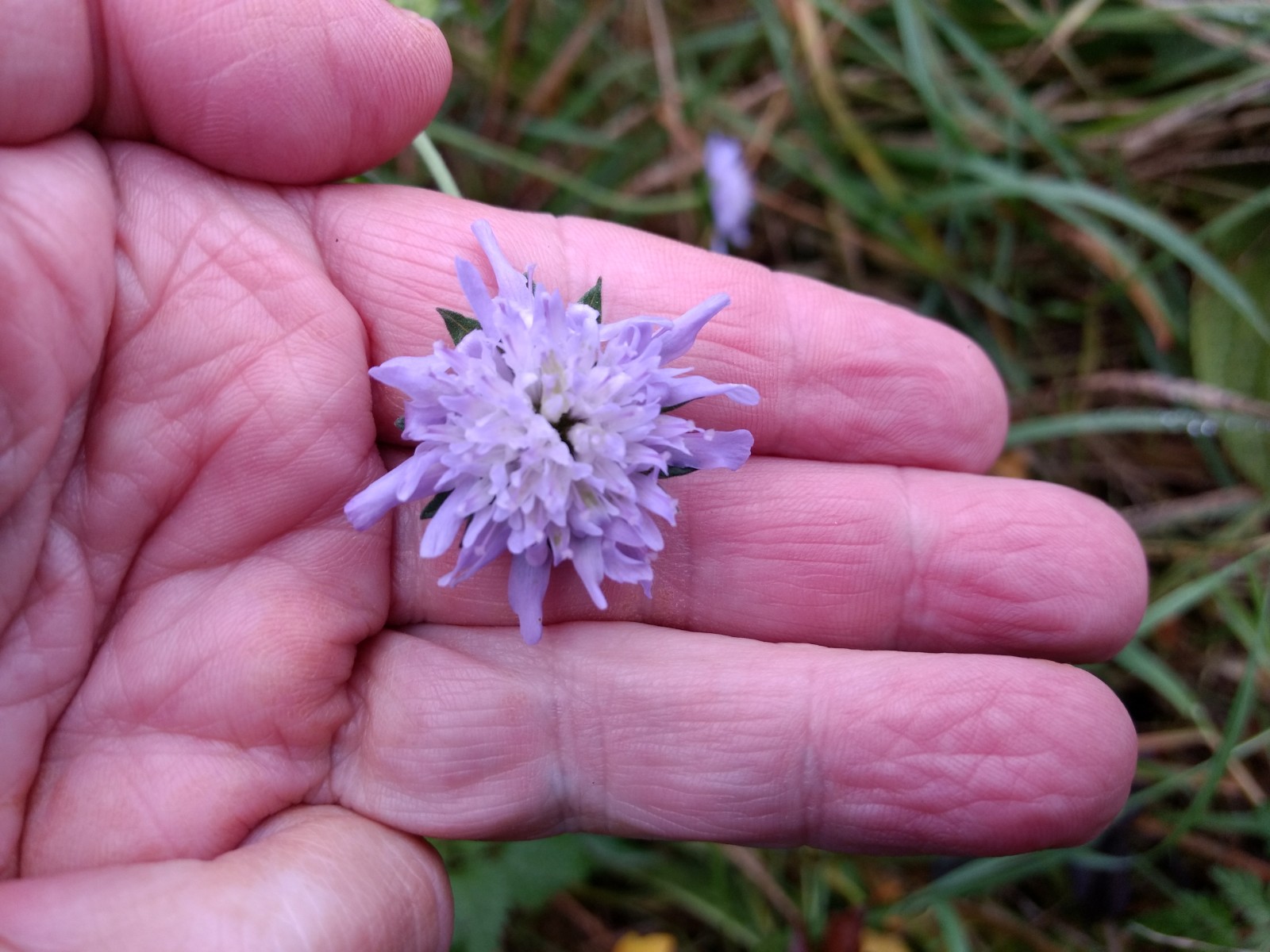
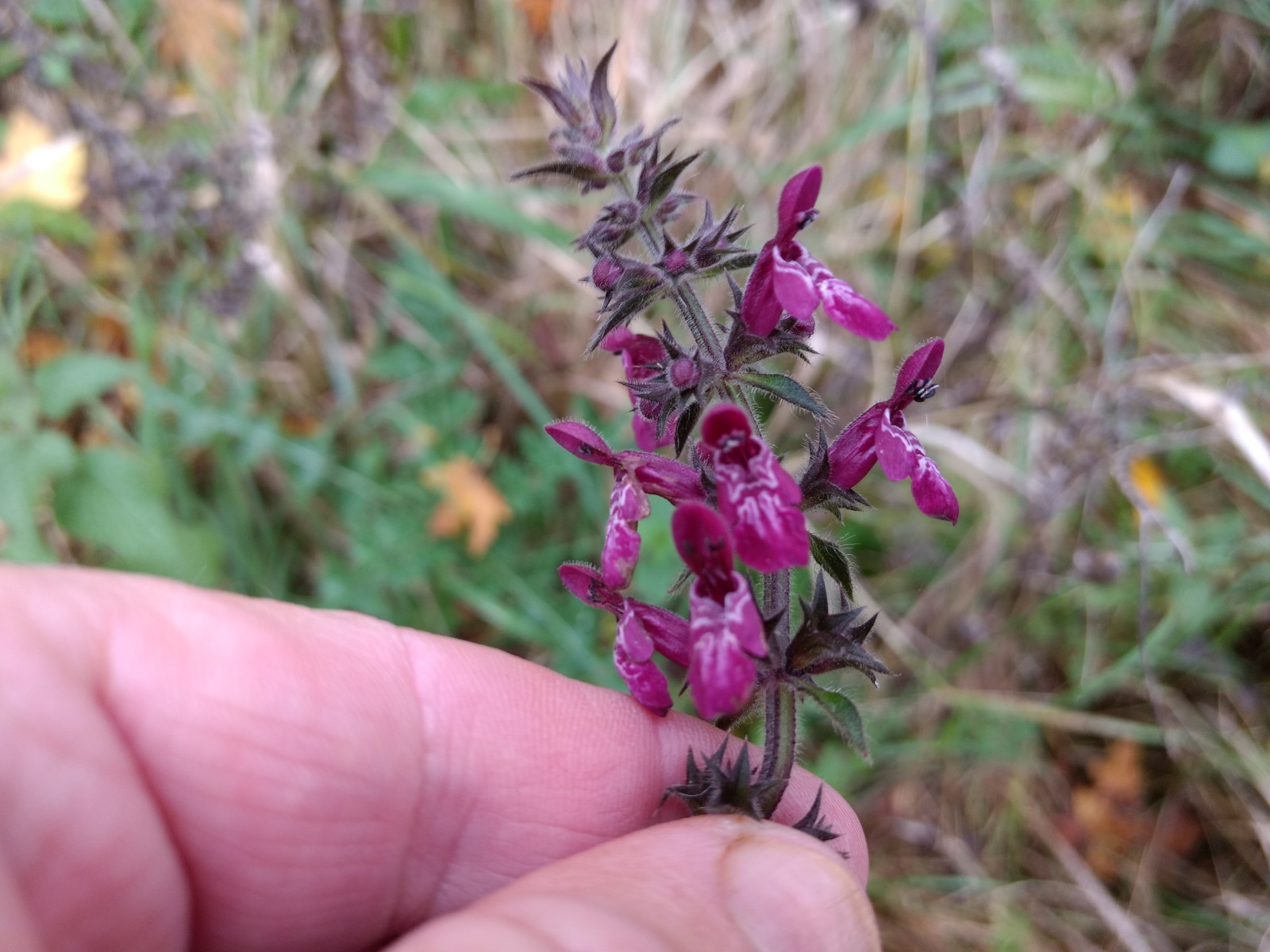
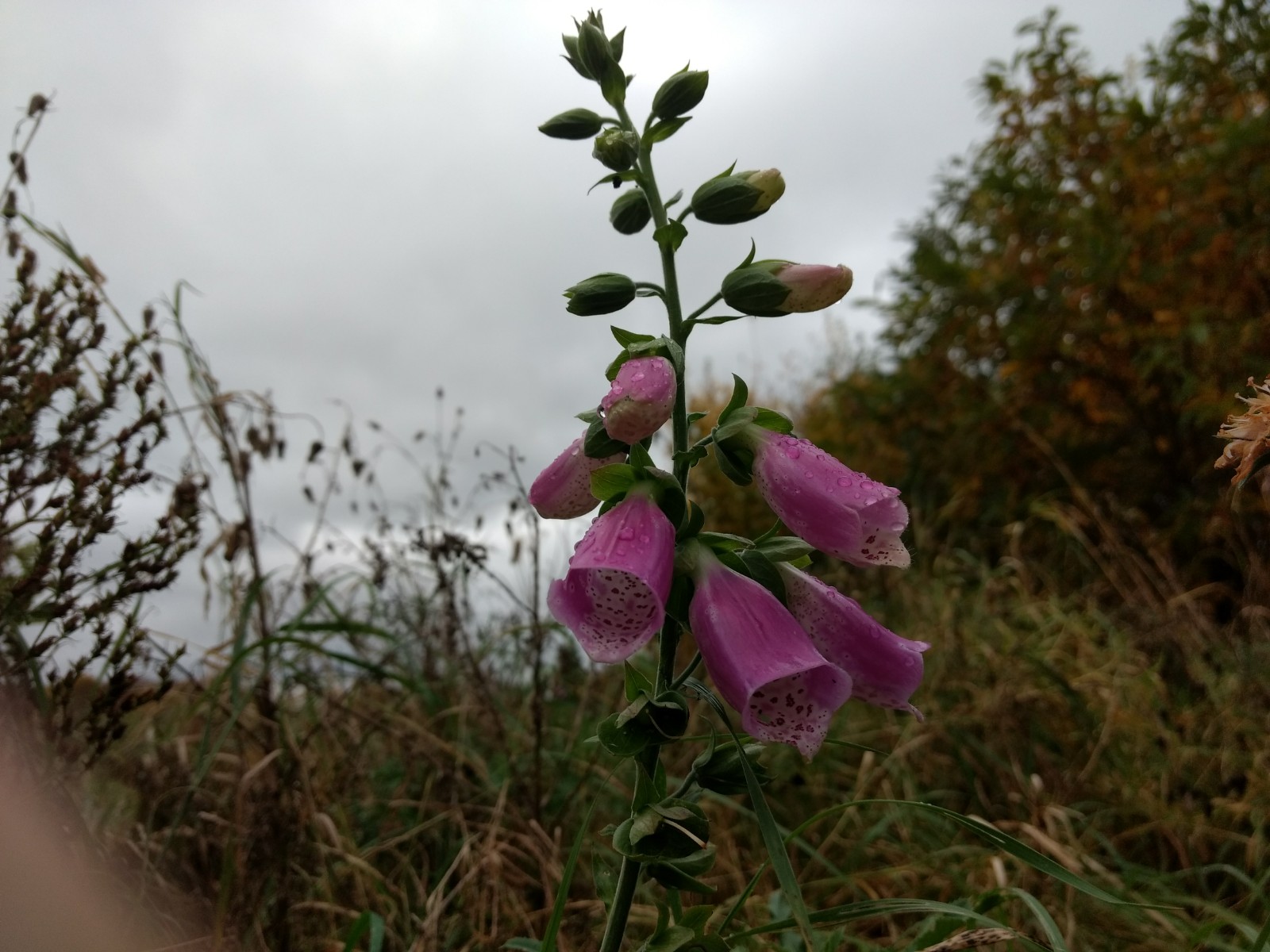
    Steve Joul has been sending me photos of interesting things he has seen over the last month, and I thought I would share some of them. Mother Nature is always presenting us with something beautiful or awesome to see!

    These are pictures taken by Steve at Killingbeck Fields while his wife was doing the shopping in Asda. Click on the pictures to get a better view.

    Staghorn Sumac
    Meadow Cranesbill
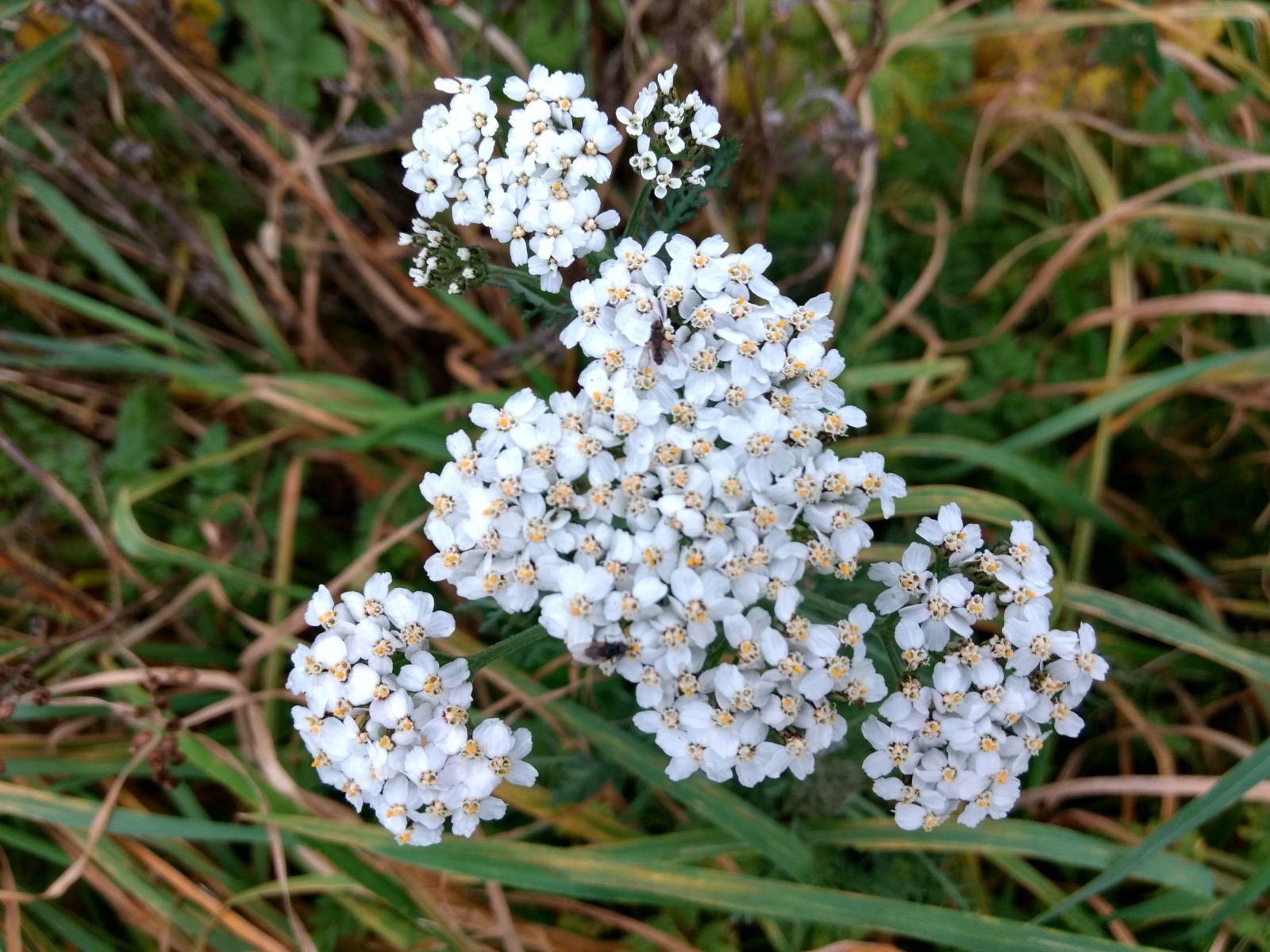
    Yarrow
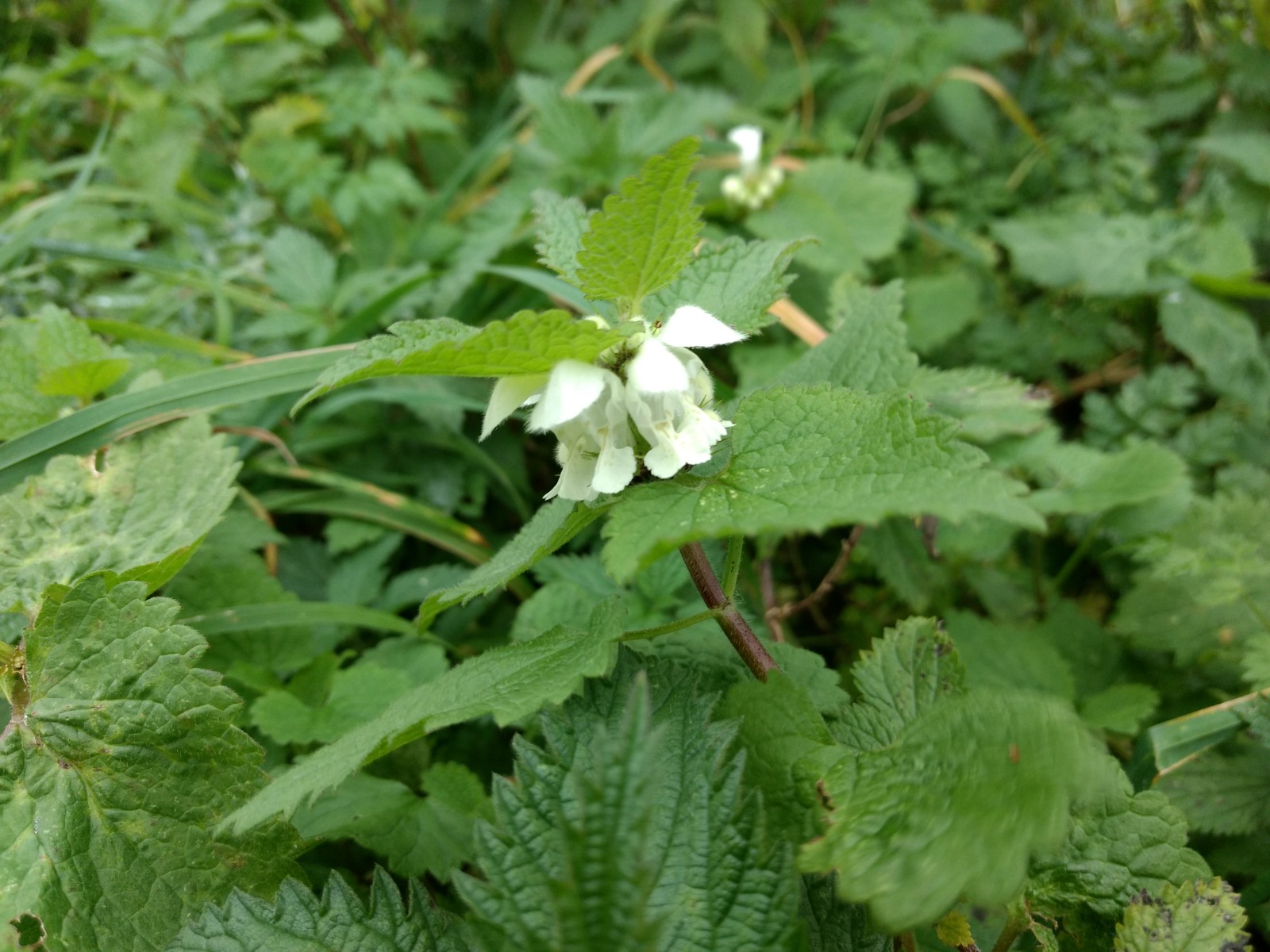
    White Dead Nettle
    Oxford Ragwort
    Hogweed
    Field Scabious
    Hedge Woundwort
    Foxglove
    Welted Thistle