Today was a day for litter picking and path clearing. We had a team of four litter pickers and eight of us doing the path clearing.
In the two hours we achieved a heck of a lot.
Adel Woods: 16 November 2019
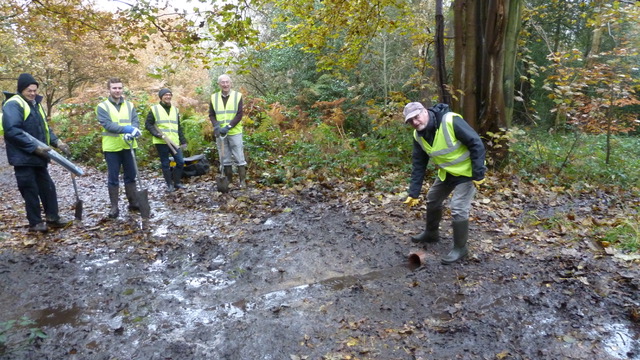
The first job of the path clearers was to clear a drainage pipe on Crag Lane near the picnic area. We put the drainage pipe in with Steve Joul a number of years ago and it has improved the path considerably. Unfortunately, it gets clogged up with mud over the year and needs regular clearing. We cleaned out the mud, made a channel for the water to run away, and scraped away a lot of mud from the surface of the footpath, and by the time we had finished, water was flowing through the pipe nicely.
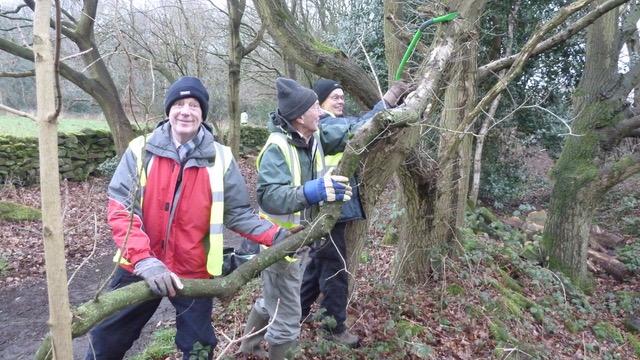
We then moved on to removing a fallen tree from one of the paths leading from the picnic tables.
Friends of Adel Woods: 16 November 2019
Having removed the tree, some of us remained to cut back holly while the rest of the team made their way to Adel Pond with a view to clearing one of the ditches which supplies the pond.
Path clearing: Adel Woods: 16 November 2019
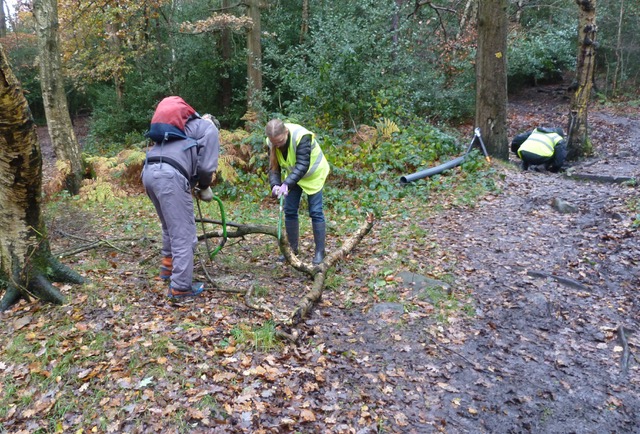
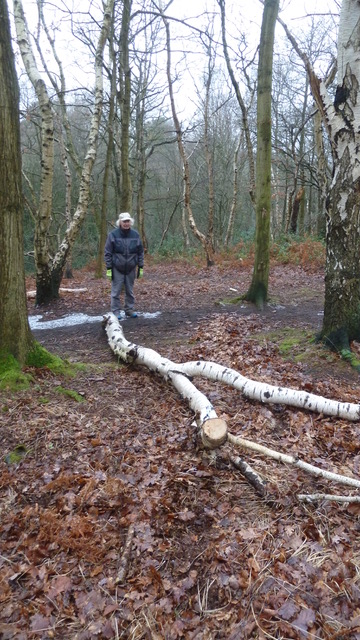
En route, they found another fallen birch tree and removed it from the footpath.
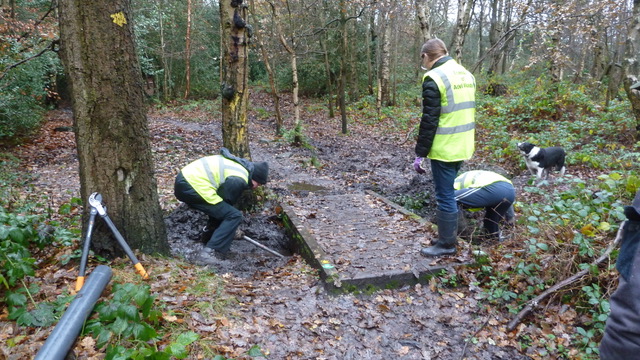
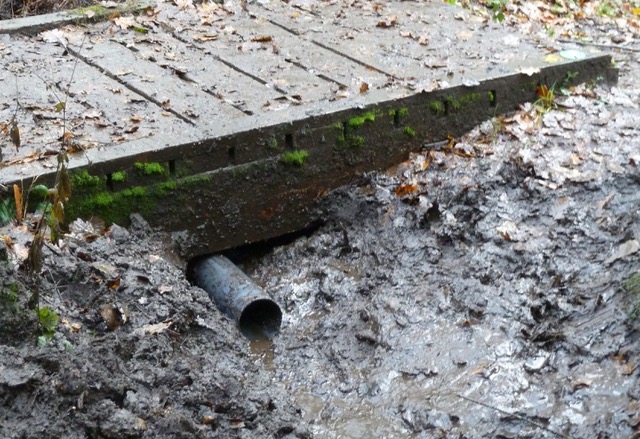
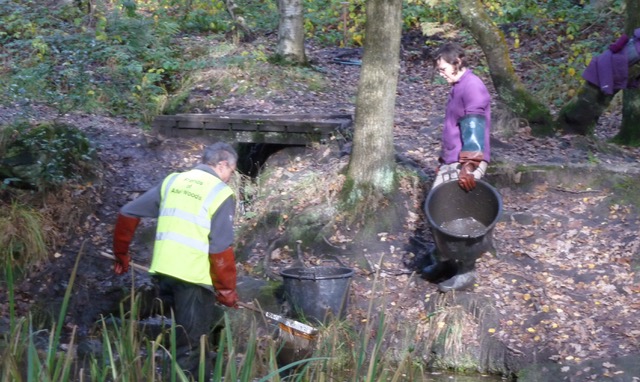
The task at the pond was to clear mud from a ditch under a footbridge. The space under the bridge was completely blocked. However, with sturdy work with trenching spades and drainage rods, which David had brought with him, we were able to clear a channel and insert a length of drainage pipe, enabling water to flow under the bridge without hindrance.
Our annual tasks seem to come round faster and faster! Today it was the time of year to help Steve Joul clean silt from Adel Pond. We were due to do this yesterday (Saturday), but with heavy rain on Friday and the forecast for even worse weather on Saturday, clearing on Sunday, we made a late decision on Friday to change the job to Sunday. As it turned out, it was an excellent decision: it rained heavily all day on Saturday, but on Sunday it was a beautiful morning.
Despite the late change, we had an excellent turnout. You could call the pond clearing a marmite job – some people hate it and some people love it. Your correspondent is someone who really enjoys it – despite the hard work and mud!
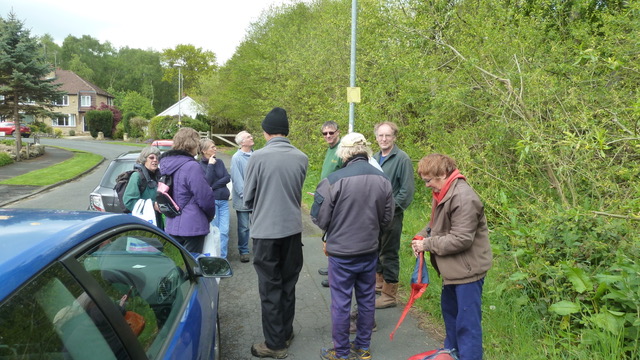
We met on Buckstone Road and a couple of people headed off to pick up litter while the rest of us followed Steve’s truck down to the Slabbering Baby.
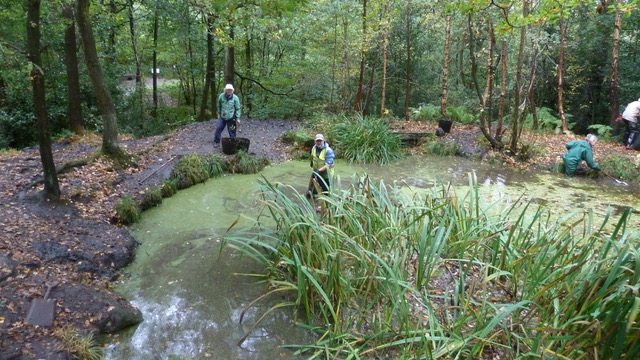
Working on Adel Pond: 27 October 2019
This task involves a number of different roles: some of us like to put on waders and get in the pond, removing stones and logs which somehow arrive during the year, and loading trugs or buckets with mud from the bottom of the pond. The filled containers are then handed to workers on the bank who transport the mud away from the pond and pour it away downstream of the pond.
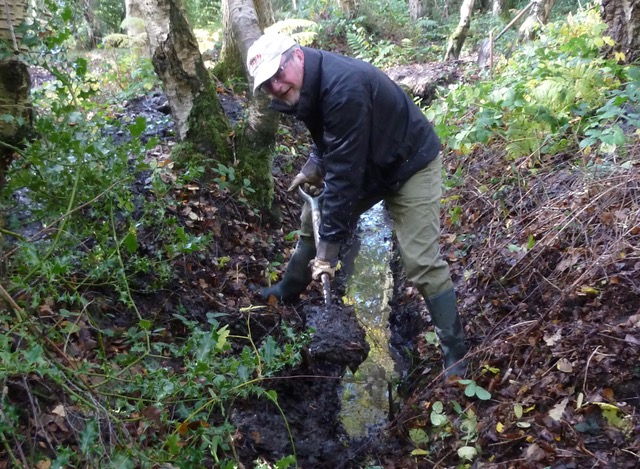
Others like to clear the ditches feeding the pond.
It was a beautiful morning and a very enjoyable way to spend it!
The weather forecast for today was cloudy with sunny spells in the morning and rain from 2 pm onwards.
Your correspondent woke at 7 am to a glorious day – a blue sky with not a cloud in the sky.
By 10 am it was overcast but still a pleasant morning and twelve of us, including Steve Joul, met in Buckstone Road to work on Adel moor and litter pick. Three of us set off to litter pick and the rest of us set off to the moor.
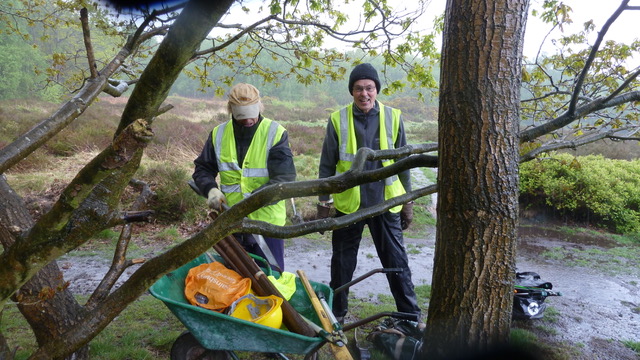
Our task this morning (on the moor) was to dig up brambles and saplings, pull up weeds (like rosebay willow herb), and cut back tree branches encroaching onto the moor. We also had a look at what we could do about trees which have been cut down – or in reality coppiced – in the past.
The moor was looking great: the hard work of FOAW and other groups of volunteers led by Steve Joul and the other rangers has really made a huge difference.
The small light green bushes are the coppiced trees.
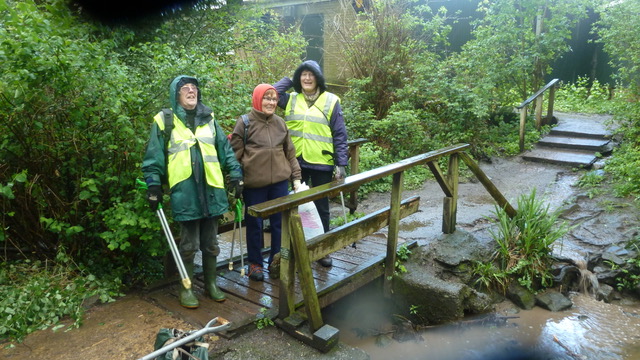
All was going well until it started to rain at about 11.15. Being hardy souls, we continued with our work, but then the heavens really opened!
Adel Moor: devotion to duty!
We continued working for a few minutes, but it soon became obvious that the rain was not going to stop and we were all completely saturated.
Adel Moor: 11 May 2019
We abandoned ship and packed away our tools – not an easy thing because everything was by now really wet and we had pools of water in our tool bags and wheelbarrow!
Adel Moor: 11 May 2019
On the way back to the car, we came across our hardy litter pickers!
As always, in good spirits! Note the waterfall coming off the path in the bottom right corner.
Ironically, when we got back to the car, the rain slowed down and eventually stopped and the sun came out!
It was a day of mixed fortunes: your correspondent was delighted that so many Friends turned out today to litter pick work on the moor – which is a lovely place to work, and a favourite among Friends of Adel Woods. But it was frustrating to be rained off when there is so much work to do.
PS It started to rain again at about 1 pm and didn’t stop all afternoon.
A beautiful, but distinctly chilly, morning and about sixteen of us met with Steve Joul at 7 am in the car park of Old Leo’s Rugby club for our ninth (!) annual birdsong walk.
Unfortunately, your correspondent forgot to take any photos and so he will borrow some photographs from the RSPB website.
Steve made some introductory remarks, handed out some binoculars and bird sheets and we had a look round to see what we could see or hear from the car park. We certainly heard a chaffinch and saw a wood pigeon and carrion crows.
Our route
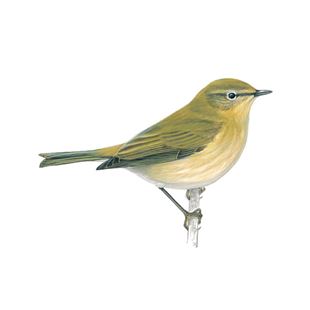
From the car park we made our way down the lane to the cricket pavilion, pausing to observe the birdlife on the fields. We saw or heard chiffchaffs, blackcaps, wrens, a song thrush, magpies , jackdaws and a mallard (flying overhead).
Male Blackcap (thanks to RSPB)
Chiffchaff (thanks to RSPB)
From there, we passed behind the cricket pavilion and made our way down the path towards the Slabbering Baby. Before we reached the Slabbering Baby we ascended one of the paths up to Adel Moor. We crossed the moor and made our way round the western end and then descended to the Slabbering Baby.
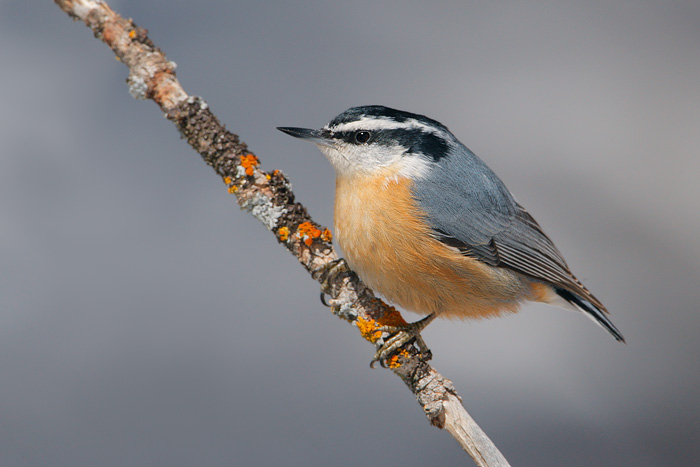
At the Slabbering Baby, we were surprised to find that our nest box on one of the trees adjacent to the bridge over Nanny Beck had disappeared. We searched the ground but there was no trace of it. It seems extremely unlikely that the nest box had simply fallen from the tree because it was made of woodcrete and was very sturdy and very securely attached to the tree. The nest box has been a favourite because for several years it has housed nuthatches – see our blog entry for 27th January 2019.
Nuthatch
From Nanny Beck we made our way up to the pond and then along the path to Bridge Cottage. From there we ascended the steps to the Stairfoot Lane car park where, it being 9 o’clock, most people bid farewell. However, Steve, your correspondent and David, another of our committee members continued up to the Hospice Woodland, through Alwoodley Plantation before returning to the car park.
What we saw or heard
In all we saw or heard 23 species of bird – as listed below. Throughout the walk we were accompanied by the calls of chiffchaffs, black caps and robins.
We had a good sighting of a pair of black caps down by Meanwood Beck, but the highlights of the morning (at least for your corresondent) were sightings of tree creepers and a robin.
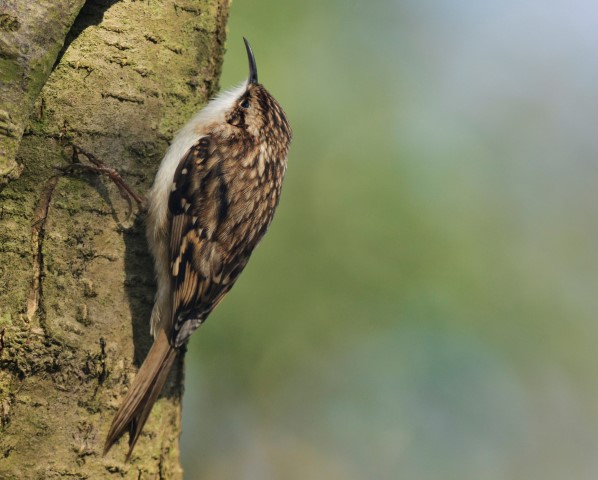
As we made our way along Meanwood Beck we were treated to excellent sightings of tree creepers on three occasions – on one occasion a pair. We were able to watch them at leisure as they systematically ran along the underside of branches searching for food.
Treecreeper (thanks to Norfolk Wildlife Trust)
For those of us uncertain of the robin’s song, we had an excellent opportunity to learn it because as we approached the Stairfoot Lane car park we all stopped to listen as a robin sang his heart out perched on a branch just six feet from us. He seemed totally unphased by our presence.
We recorded the following 23 species of bird – including a cockerel in the neighbouring small holding: – Chaffinch – Woodpigeon – Carrion Crow – Wren – Chiffchaff – Song Thrush – Magpie – Jackdaw – Mallard (flying overhead) – Dunnock – Black Cap – Robin – Great Tit – Blue Tit – Blackbird – Bullfinch – Tree Creeper – Long tailed Tits – Greater Spotted Woodpecker – Red Kite
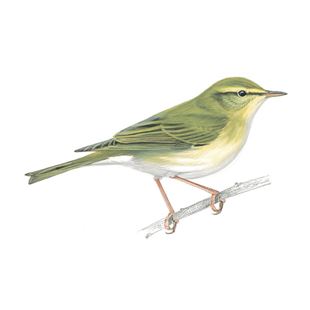
and after most people had left, Willow Warbler, Jay and Jungle fowl (a cockerel).
A turkey has been seen recently in Adel Woods (really!). Unfortunately, it did not make an appearance today.
Willow Warbler
Cocidius
We have a genuine ancient monument in Adel Woods – a Celtic carving made about 1700 years ago on a rock. The carving is believed to show a god called Cocidius. We had a clear view of the carving this morning – and for some reason it was even more clear when photographed – so here it is!
Today, Friends of Adel Woods joined in a Great British Spring Clean organised by the charity “Keep Britain Tidy” for the month from 22 March to 23 April 2019. We concentrated on picking up litter in the woods, while our friends in “Litter Free Adel” worked on Stairfoot Lane.
We had a great turn out of 10 Friends of Adel Woods, and we probably picked up 15 bags of litter. As a special reward, one of our Friends, Jen, on her way home, saw a deer in the field north of Crag Lane between Old Leo’s and the picnic area!
Old Leo’s car park
Alwoodley Village Green
We met in Old Leo’s carpark and then set forth in a constellation of directions – some up to the north of the woods; some along Crag Lane and along the stream to the Slabbering Baby; some along Crag Lane to King Lane; some heading down to the cricket club. Your correspondent joined two Friends in picking up litter in the woods between the cricket ground and the village green and then working our way round the circumference of the green down to the bridge over Nanny Beck.
Alwoodley Village Green
The bridge over Nanny Beck
At Nanny Beck we were joined by a Geoff and Sylvia and while Sylvia and Brian picked up litter, Geoff and your correspondent cleared some of the branches which had fallen across and into the stream.
In the limited time available (30 minutes) we were able to remove a number of branches which had fallen across the stream, but not all. However, the stream did look a lot more open by the time we had finished.
Sizing up the job! We cleared all the branches across the stream except for the Y shaped trunk in bottom centre.
A chilly morning, but the inch or so of snow which fell yesterday evening had more or less disappeared. So we had a great turn out of ten Friends, including one new Friend, Lily.
While three people went off litter picking, the rest of us set off to work on the paths.
Our first port of call was a low lying branch over Crag Lane – not a problem for walkers, but a problem for horse riders. This branch first started to sag a few months ago and it has been on the “to do” list ever since, but today we were able to put it on the “done” list!
From here we moved on to the path leading from the Stairfoot Lane car park down to the Stairfoot Lane steps and cleared a lot of brambles and bracken which was encroaching on the path.
As we did this, we noticed that a large silver birch had come down on the “middle” path leading from the steps to the pond, obstructing the path. We sawed this into smaller sections and moved it off the path.
We then went down to the bottom of the steps and went towards the pond along the path by the side of the stream. Our first stop was to cut back and remove a tree which had fallen some time ago, partially obstructing the path.
By now it was 11.30 am and Steph left us, heading back to the car park via a rather overgrown path heading up to the “middle” path. This was not a path we had worked on before and so we cleared the branches growing across it.
By now it was 12 noon and so we set off back to the carpark – walking along the path by the stream to the pond.
These bags – seventeen in all each contain hundreds of unused charity bags. What is extraordinary is that someone has gone to so much trouble to hide the bags in the middle of dense holly bushes, a good ten minute walk from the nearest entrance to the woods.
Finishing on a high note, we enjoyed the walk back from the Bog back to the car park. By now the weather had become considerably milder and it was another very pleasant day.
It is that time of year again: the time of year when certain people get the urge to put on their waders and frolic in the mud of Adel Pond. And despite a dire weather forecast of rain all morning as Storm Callum hit the UK, we had a great turn out of eight Friends to help Steve Joul dredge Adel Pond and pick up litter.
Ditch clearing
In the event, it didn’t rain at all, and it was a pleasant morning in Adel, even though the rain apparently pelted down all day only a few miles away in Harrogate!
Two of our team litterpicked. The rest of us set off down the path from Buckstone Road to the pond where there were two aspects to our work. Most of us focused on clearing out silt from the bottom of the pond, while one of our number focused on clearing out the ditches feeding water into the pond.
At the end of the morning we carried out a brief exploration of the woods above the pond to see if there are any more watercourses which can be diverted into the pond, and we identified some work which we can do in our next event in November.
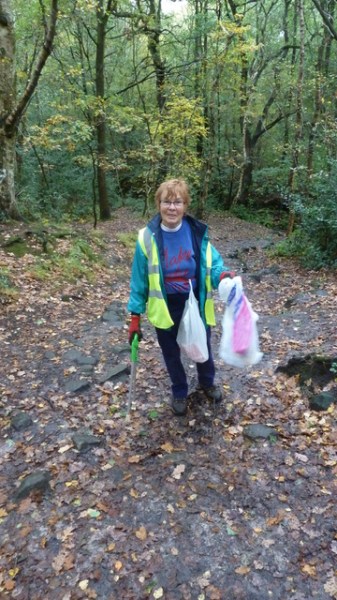
One of our intrepid litter pickers – in retro punk style!
In the absence of our wildlife correspondent on annual leave, we have the following report from our chief Sports Correspondent (aka Steve Joul).
Bog Asphodel (narthecium ossifragum) Photographed by C Zanker 15/07/18
In the extremely hot weather the Friends of Adel Woods team took some tips from the World Cup in our latest match against the Willow-scrub and Brambles at Adel Bog.
Judith did a great job managing the team from her technical area and ensured that drinks breaks were taken and injury time didn’t go on too long.
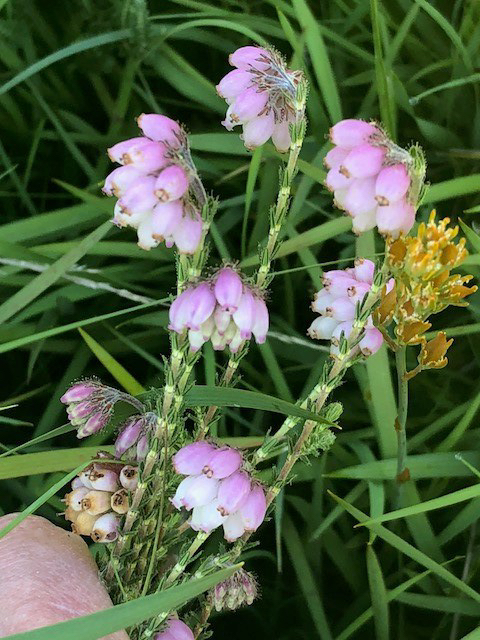
Cross-leaved Heath (erica tetralix) photographed by C Zanker at Adel Bog, 15/07/18
The team operated a defensive formation (mainly sticking to the shady parts) with one up front (Steve in an advanced striker role chasing frogs and butterflies in the sunshine).
Cathy used her camera to record and review any controversial incidents in the habitat.
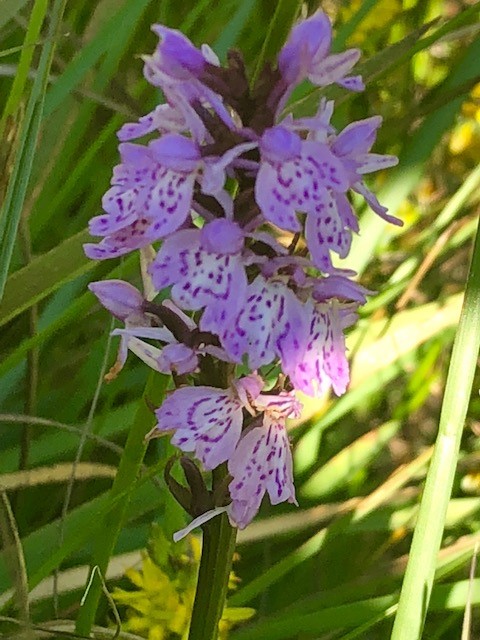
The match was watched by a huge crowd of Bog Asphodel, Heath Spotted-orchid and Cross-leaved Heath who were wildly supportive of the team’s efforts.
The team applied themselves to tackling tree seedlings and brambles encroaching in the penalty area. None of these were able to get through our defences and we managed to score a convincing victory without extra time and penalties.
It was a great team effort.
However, the team expressed the view that some new signings (in the form of corporate volunteers) were needed for future matches.
Heath Spotted Orchid (dactylhoriza maculada) photographed by C Zanker at Adel Bog 15/07/18
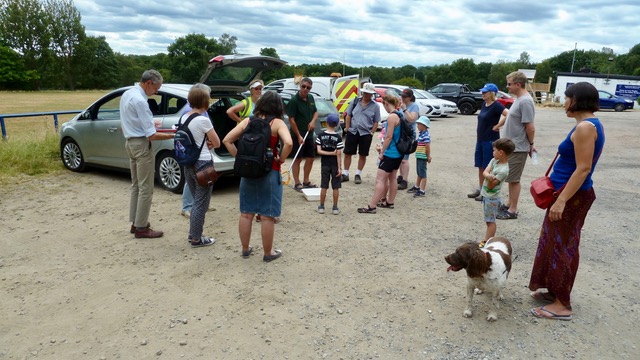
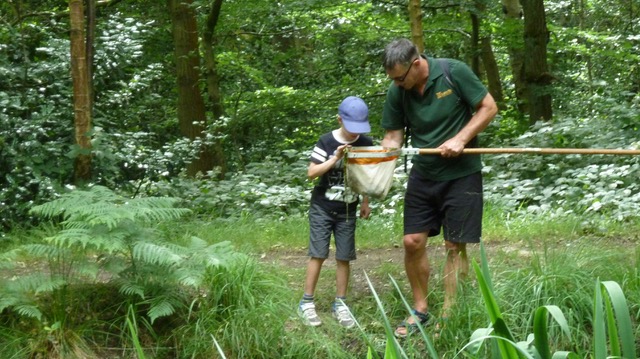
Yet Another beautiful day in our long Mediterranean Summer, and we had a good turn out of adults and children for our first ever “Life in Freshwater” event with Steve Joul.
We met in the car park of Old Leo’s rugby club, where Steve gave an introduction and demonstrated the equipment we would be using (nets, bowls and specimen jars) before leading us off on our freshwater safari.
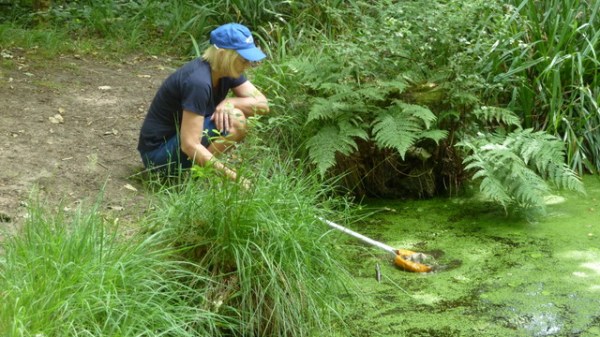
Our first stop was the bridge over the stream behind the Cricket Club pavilion, and within seconds of our arrival the banks of the stream were the scene of feverish activity – fishing nets were dipping in the stream; children and adults were excitedly peering into them, and their contents were being emptied into water filled trays.
The contents of one of our examination trays. A still photograph cannot convey the wriggling and darting about of many of these little black shapes.
Within a few minutes, Steve had identified the following creatures swimming or wriggling about in the trays:
freshwater shrimp
mayfly nymph
sludge worm
flat worm
blood worm
water cricket
black fly lava
After about 20 minutes of fishing in the stream, we set our specimens free in the stream and Steve led us down to Adel Pond to see what we could find there.
Young scientists discuss what they have found
A moment of stillness
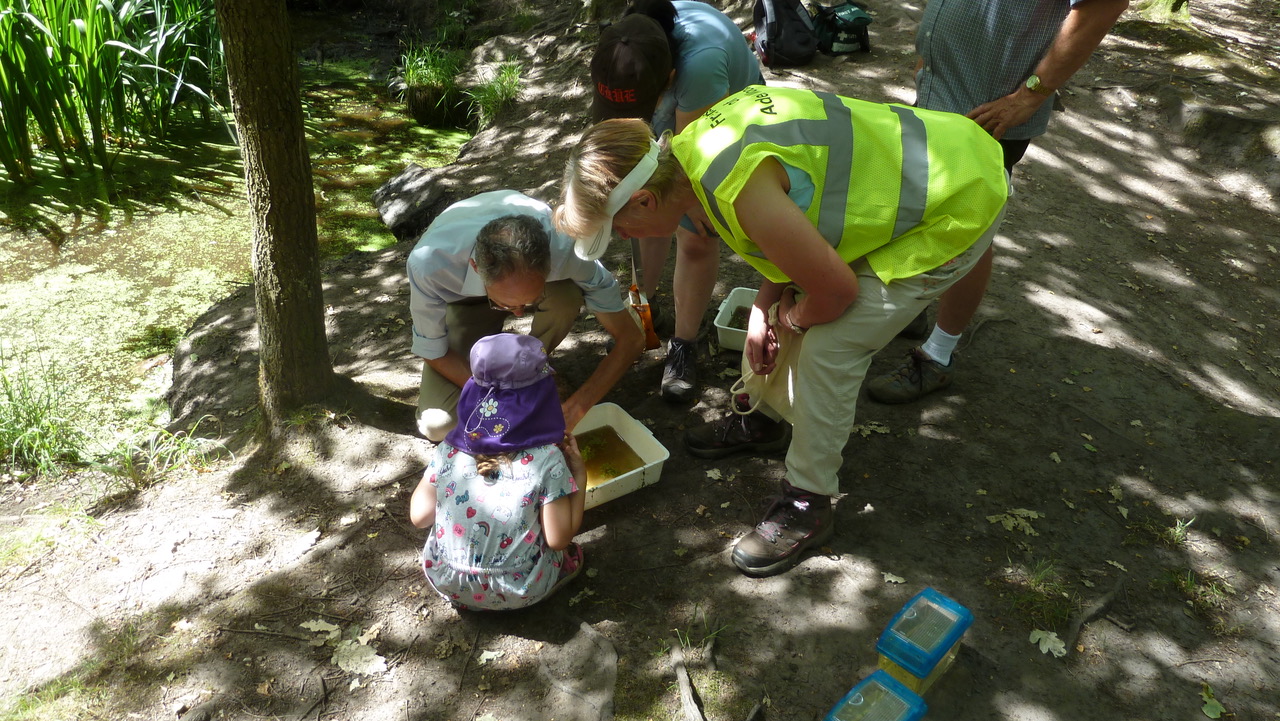
At the pond there was more excited hunting of our our native freshwater wildlife: there was lots of running about, and many young voices could be heard calling: “Steve, what is this?”.
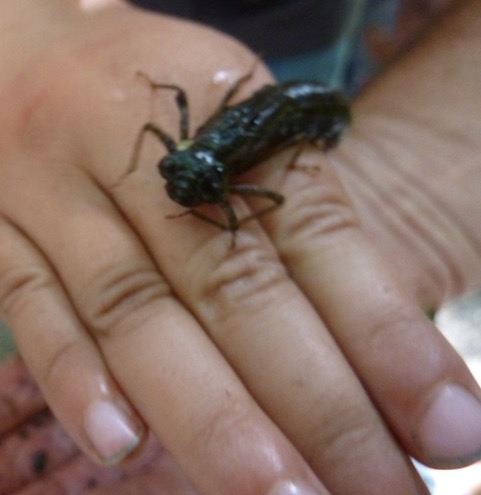
The most dramatic catches were the numerous dragonfly nymphs, but the pond was full of life – including many young newts and a young frog.
As we searched for wildlife in the pond, a magnificent southern hawker dragonfly did its rounds, hunting for prey.
A dragonfly nymph
At the pond Steve identified the following catches:
eft (young newt)
ramshead snail
pondskater
dragonfly nymphs
backswimmer
water louse
pea mussels
waterfleas
flat worm
mayfly nymph
young frog
At the end of our safari, we replaced the catches in the pond and then made our way back to the car park, buzzing with excitement.
Thank you Steve for a wonderful afternoon showing us some of the range of wildlife active under the surface of our local streams and ponds!
Steve and a young naturalist examining the contents of their net
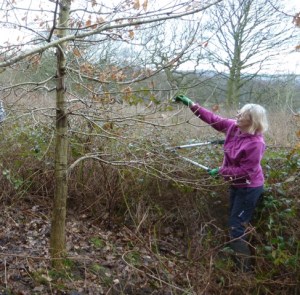
Despite a miserable outlook for the weather, ten of us turned out this morning to litter pick and continue the work of clearing brambles from the trees in the hospice woodland.
We focused on the northern end of the woodland where trees were completely covered by brambles – cutting a way through to the trees and pulling up the brambles as far as possible for a metre radius around the trees.
In fact the weather turned out to be rather pleasant for our work and we had a very satisfying morning.




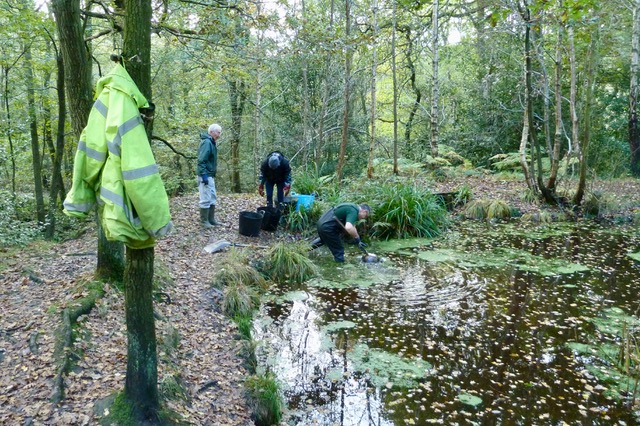
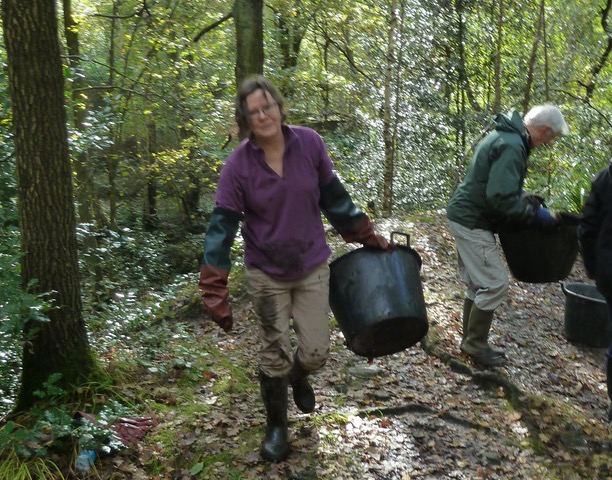
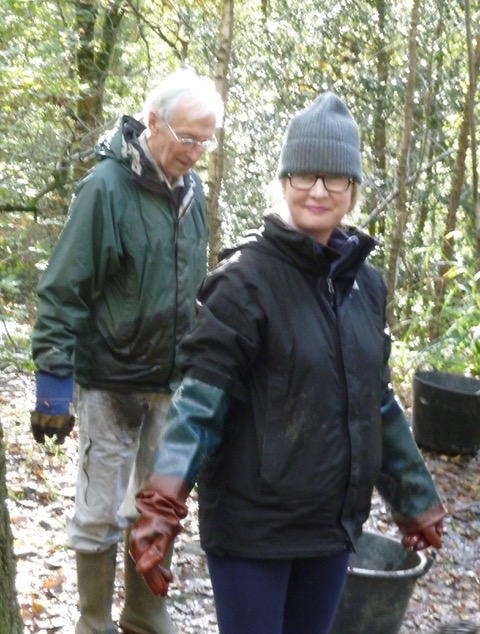






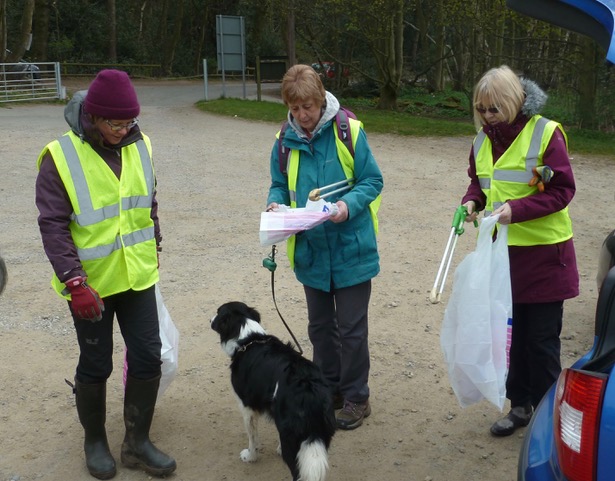

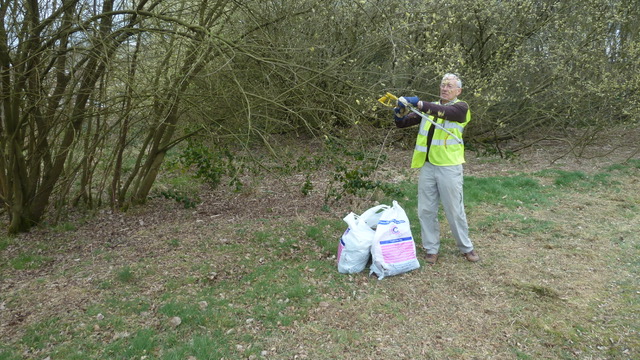

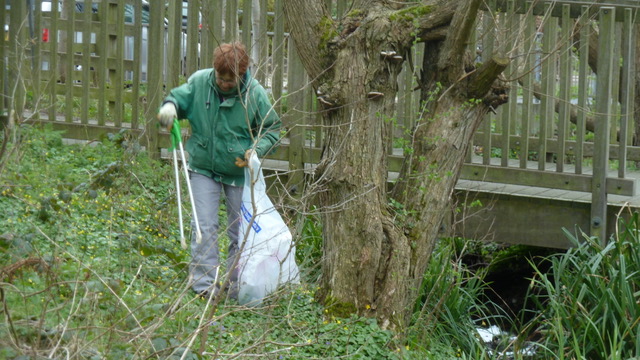

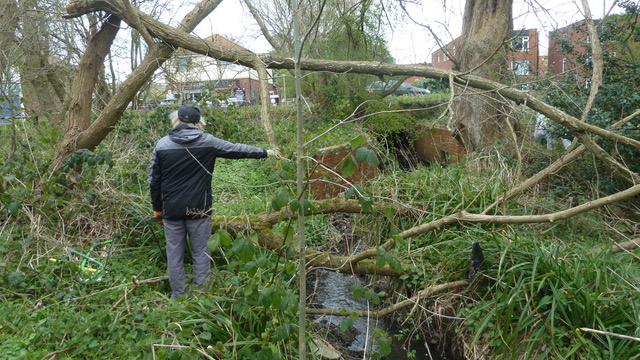


 It is that time of year again: the time of year when certain people get the urge to put on their waders and frolic in the mud of Adel Pond. And despite a dire weather forecast of rain all morning as Storm Callum hit the UK, we had a great turn out of eight Friends to help Steve Joul dredge Adel Pond and pick up litter.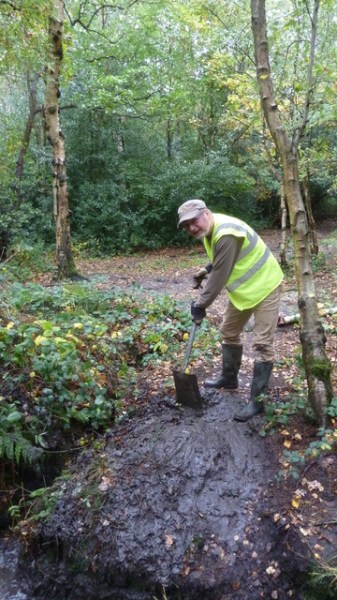
 One of our intrepid litter pickers – in retro punk style!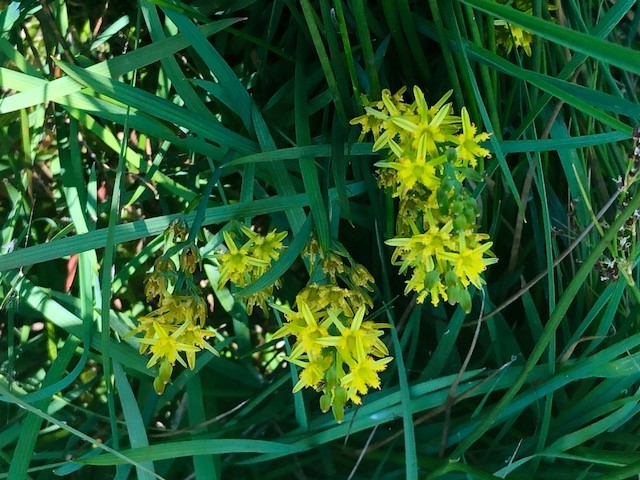
 Yet Another beautiful day in our long Mediterranean Summer, and we had a good turn out of adults and children for our first ever “Life in Freshwater” event with Steve Joul.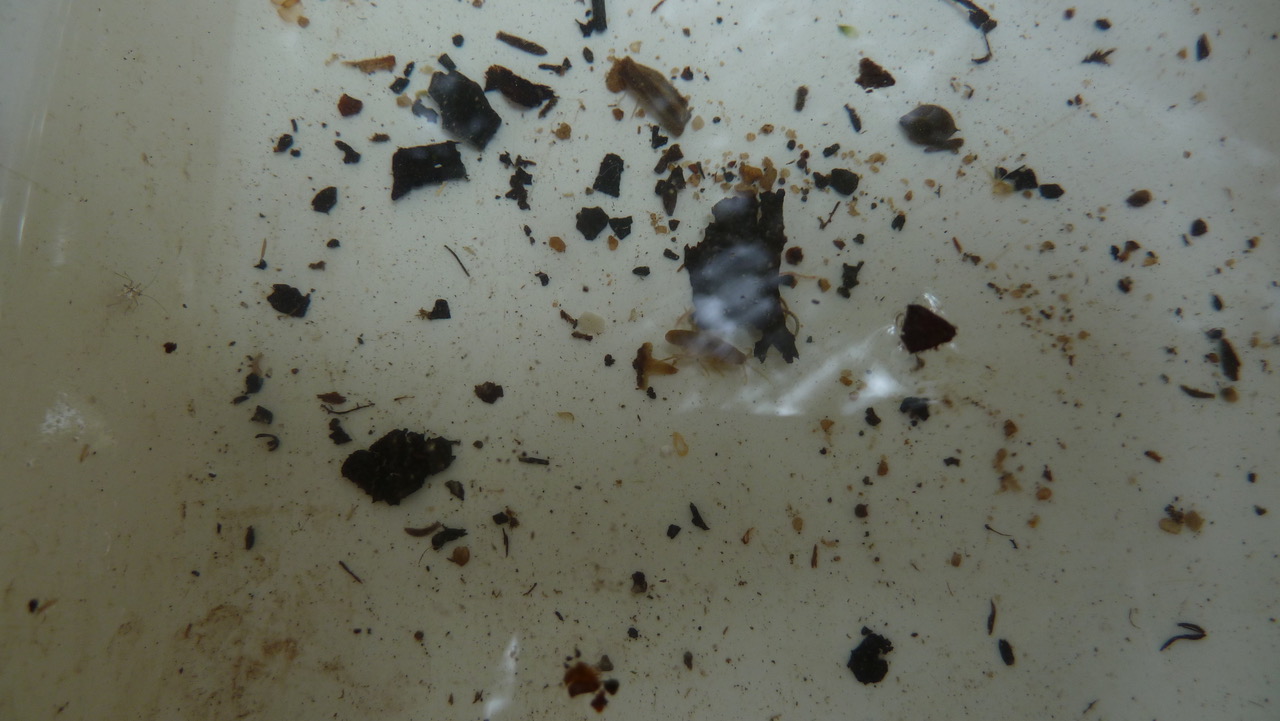
 Despite a miserable outlook for the weather, ten of us turned out this morning to litter pick and continue the work of clearing brambles from the trees in the hospice woodland.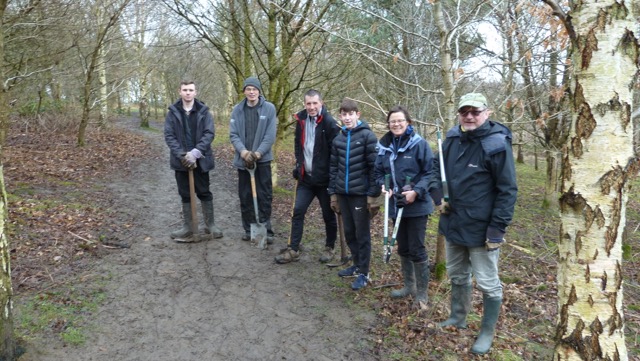
 Friends of Adel Woods